Study on Treatment for Gluteal Tendinopathy
Overview of Gluteal Tendinopathy
A recent study examined the effectiveness of exercise and patient education in alleviating gluteal tendinopathy pain, comparing it to receiving an injection or adopting a “wait and see” approach. Gluteal tendinopathy involves damage to the tendon fibers connecting the buttock muscles to the hip bones, while bursitis is characterized by inflammation of the bursa that cushions tendons and joints. These conditions frequently occur in tandem, particularly among women, due to increased stress on the hip joint. They are leading causes of hip pain, which can significantly disrupt sleep, stair climbing, and daily activities.
Treatment Options for Gluteal Tendinopathy
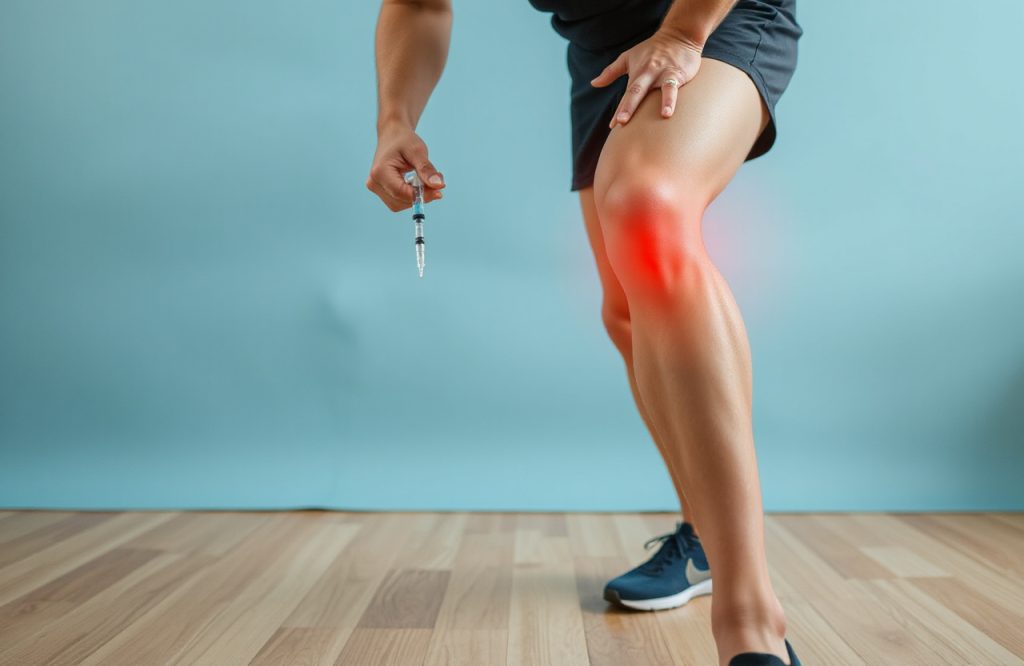
Once diagnosed, patients may receive corticosteroid injections to reduce inflammation and pain. Alternatively, physiotherapy may be recommended to strengthen the hip muscles and teach strategies for minimizing hip stress during daily activities. Surgery is usually considered only when other treatments fail. However, there has been a lack of comprehensive data comparing these different treatment options.
Details of the Recent Study
Study Design and Participants
The recent study, published in The BMJ, involved researchers from Australia who recruited 204 individuals diagnosed with gluteal tendinopathy. This prospective, single-blinded, randomized study included participants with an average age of 54, with 81.9% being women. The primary goal was to compare the outcomes of a single ultrasound-guided corticosteroid injection against a combined approach of supervised exercise and patient education. A control group was established to follow a “wait and see” strategy without any treatment.
Intervention Protocol
The supervised exercise and education program consisted of the following phases:
– **Week 1**: Familiarization with the exercises
– **Week 2**: Exercise focusing on movement optimization with light loads
– **Weeks 3-8**: Continued exercise with movement optimization and graduated loading
Participants were evaluated at the start of the study and at 4, 8, 12, 26, and 52 weeks.
Study Findings
After eight weeks, 77.3% of participants in the supervised exercise and education group reported successful treatment based on the Global Rating of Change Scale. In comparison, 58.5% of those who received the steroid injection and 29.4% of the control group indicated success.
Effectiveness of Education and Exercise
Pain Reduction Results
The exercise and education group experienced a decrease in average pain intensity from 4.8 to 1.5 on a scale of 0 to 10. The injection group reported a pain reduction from 4.8 to 2.7, while the control group’s pain decreased from 4.9 to 3.8. One year later, average pain scores were 2.1 for the exercise and education group, 2.3 for the injection group, and 3.2 for the control group.
Conclusion
This research suggests that education and exercise are more effective than a single corticosteroid injection for managing gluteal tendinopathy. It underscores the significance of teaching patients how to stand and lift properly to minimize hip stress. The authors note that “understanding and knowledge of appropriate management strategies could encourage patients to have a greater sense of self-efficacy and control over their condition, leading to a better quality of life.”
Reference
Mellor, R., Bennell, K., Grimaldi, A., Nicolson, P., Kasza, J., Hodges, P., … & Vicenzino, B. (2018). Education plus exercise versus corticosteroid injection use versus a wait and see approach on global outcome and pain from gluteal tendinopathy: prospective, single blinded, randomised clinical trial. BMJ, 361, k1662. http://dx.doi.org/10.1136/bmj.k1662 doi: 10.1136/bmj.k1662