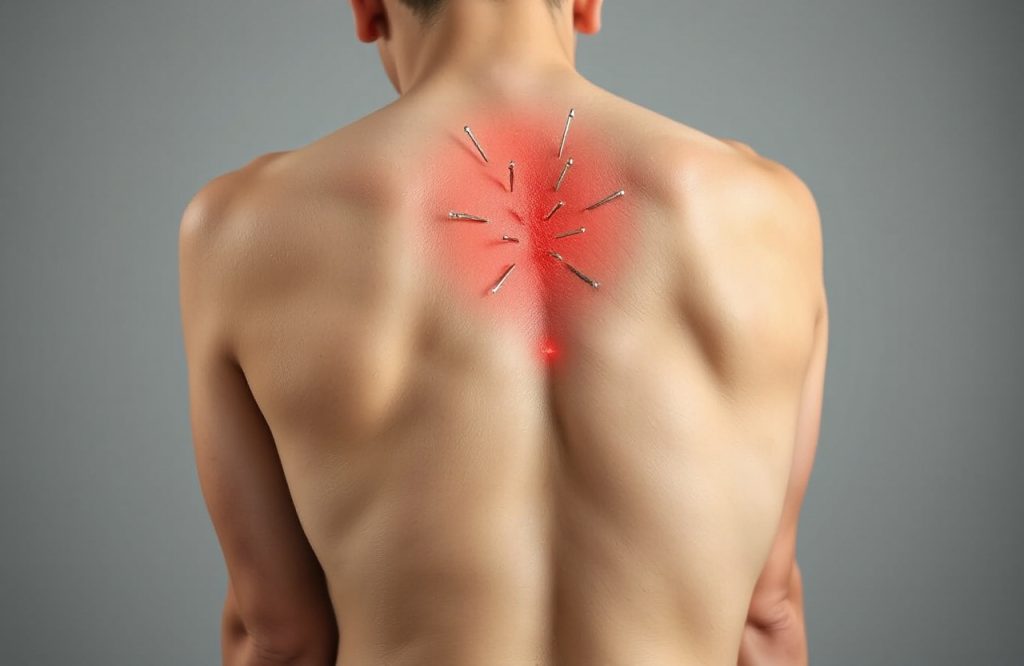
Impact of Acupuncture on Surgery Rates for Low Back Pain
Background on Low Back Pain
Research from South Korea has examined the necessity for surgical intervention in patients with low back pain who have received acupuncture compared to those who have not. Low back pain is prevalent, with up to 70% of individuals experiencing it at some point in their lives. For many, it can lead to significant disability, affecting their ability to work. Although the incidence of low back pain is consistent across various countries, the rates of lumbar surgery differ markedly.
Understanding Low Back Pain and Treatment Options
The causes of low back pain are diverse, and so are the treatment options, which range from physical therapy and medication to surgical procedures. Surgery carries its own risks, and the benefits for low back pain have not been decisively proven. In the United States, patients who opt for surgery incur costs exceeding $25,000 more than those who do not.
Research Motivation
Given these disparities, South Korean researchers sought to explore whether the differences in healthcare access across countries might influence the need for surgery. In South Korea, patients have the option to choose between conventional medical treatments and traditional Korean medicine, which includes acupuncture and herbal therapies.
Recent Guidelines on Acupuncture
Acupuncture has gained recognition as a treatment for low back pain, having been recommended in the updated guidelines by the American College of Physicians in 2017. However, some health professionals have raised concerns regarding its efficacy, as evidence supporting its effectiveness has been limited until recently.
Study Design and Findings
To investigate this issue further, South Korean researchers conducted a study comparing surgical needs in patients with low back pain who received acupuncture versus those who did not. Their results were published in PLOS ONE. Utilizing a national health service database, they identified patients diagnosed with low back pain over a six-year period and categorized them into two groups: those who had not received acupuncture and those who had undergone six acupuncture treatments shortly after their diagnosis. The groups were balanced concerning age, gender, and income.
Results: Acupuncture and Surgery
The findings indicated that patients who did not receive acupuncture were more likely to require surgery. The researchers proposed two potential explanations: acupuncture may effectively alleviate low back pain and reduce the need for surgery, or the combination of traditional Korean medicine and conventional healthcare may play a role in decreasing surgical necessity.
Demographic Insights
Analysis of different age groups revealed that acupuncture did not significantly impact the need for surgery among younger patients in their twenties, possibly due to the less chronic nature of their condition. Conversely, the need for surgery decreased significantly among older patients, particularly those aged 60 and above, where acupuncture more than halved the surgical requirement.
Income and Gender Analysis
The study’s outcomes remained consistent across different income levels and between male and female participants, indicating that these factors did not influence the primary findings.
Limitations of the Study
A significant limitation of the research is the lack of data on the severity of low back pain among participants. Variations in pain levels could potentially skew the results if there were imbalances in the acupuncture and non-acupuncture groups.
Conclusion and Future Directions
The researchers concluded that acupuncture treatment is associated with a reduced need for surgery among patients with low back pain. Further studies are necessary to determine if acupuncture has similar effects when comparing patients with low back pain of equivalent severity.
Reference
Koh W, Kang K, Lee Y, et al. Impact of acupuncture treatment on the lumbar surgery rate for low back pain in Korea: A nationwide matched retrospective cohort study. Plos One. 2018;13(6):e0199042. doi:10.1371/journal.pone.0199042.