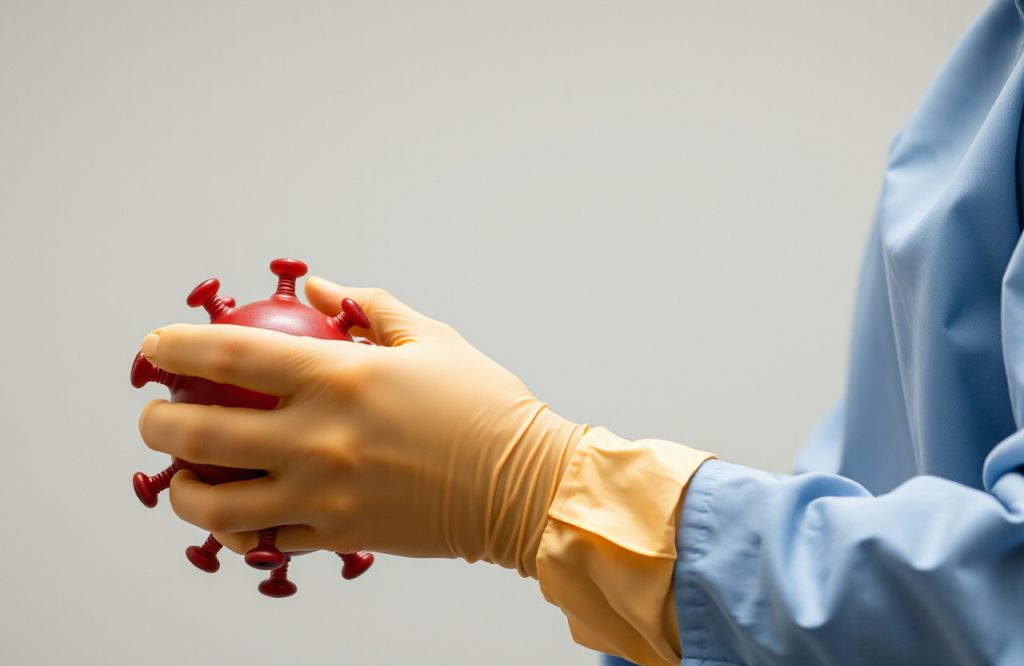
Aprotinin: A Potential Treatment for COVID-19
Introduction to Ongoing Research
The search for effective treatments for COVID-19 has intensified since the onset of the SARS-CoV-2 pandemic. Researchers worldwide have focused on repurposing established drugs, leading to improved treatment outcomes and a reduction in mortality rates. Despite these advancements, the quest for more effective therapies continues as our understanding of the virus evolves.
Aprotinin as a Target
A recent study published in the journal Cells explores aprotinin as a potential treatment for COVID-19. This drug has been previously utilized to prevent surgical bleeding due to its ability to inhibit protease enzymes responsible for dissolving blood clots. Understanding the mechanisms of SARS-CoV-2 has unveiled new drug intervention targets, particularly the role of proteases in the virus’s entry into host cells.
Mechanism of SARS-CoV-2 Entry
SARS-CoV-2 utilizes a spike protein to attach to host cells. After attachment, proteases are needed to cleave the spike protein, facilitating viral entry. This insight has led to the exploration of protease inhibitors, such as aprotinin, as potential therapeutic options against the virus.
Research Findings
Researchers from universities in Canterbury, Hannover, and Frankfurt conducted laboratory experiments using various cell cultures, including bronchial epithelial cells. They infected paired cultures with SARS-CoV-2 in the presence or absence of aprotinin. After 48 hours, they assessed viral growth and cell viability at different drug concentrations.
The results demonstrated that aprotinin effectively inhibited the replication of three strains of SARS-CoV-2, reducing genomic levels by up to 900-fold. However, it was crucial for the drug to be administered before viral entry; introducing it after a one-hour adsorption period did not significantly affect viral replication. The study also examined SERPINA1/alpha-1 antitrypsin but found it lacking in antiviral effectiveness.
Implications and Future Research
The promising results from in-vitro studies indicate that aprotinin could be a viable treatment option for COVID-19 at therapeutic concentrations. However, several questions remain unanswered. Key among them is whether these laboratory results can be replicated in living organisms, as the next step involves testing in animal models.
Another consideration is the timing of aprotinin administration, which may limit its usefulness to the early stages of the disease. Previous safety concerns regarding aprotinin’s use in humans also warrant attention. The authors of the study suggest that aerosol delivery might mitigate these safety issues, as it could reduce systemic exposure while targeting the drug to the affected area.
Conclusion
This study adds to the growing body of research exploring potential treatments for COVID-19. While aprotinin shows promise, further investigation is necessary before it can be deemed a safe and effective treatment for SARS-CoV-2.
References
1. Bojkova D, Bechtel M, McLaughlin K-M, McGreig JE, Klann K, Bellinghausen C, et al. Aprotinin Inhibits SARS-CoV-2 Replication. Cells. 2020;9(11):2377.