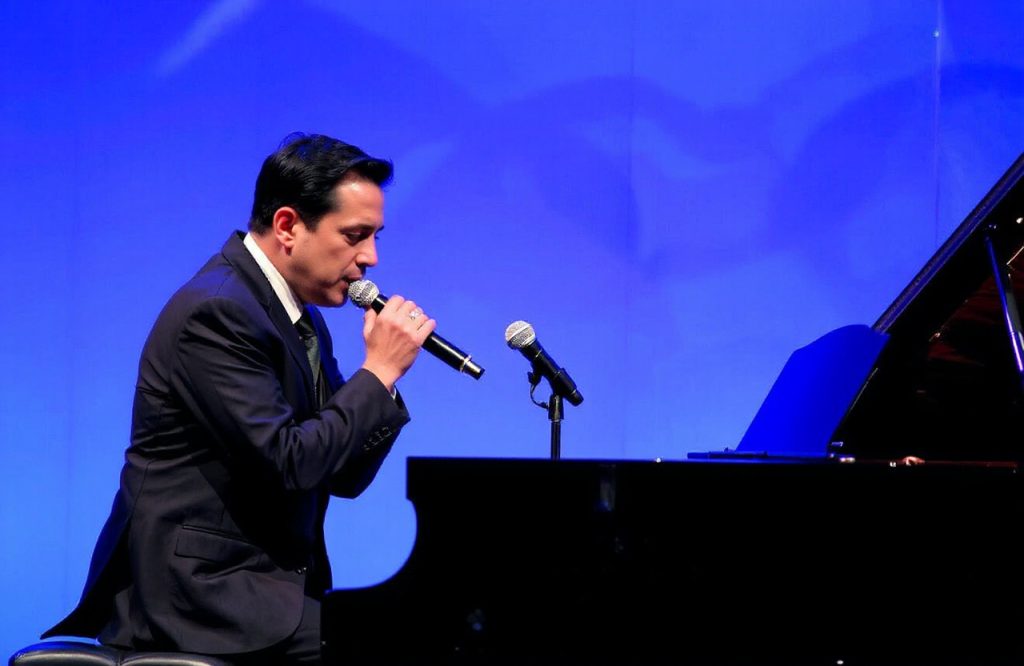
Study Explores Impact of Genre-Specific Musical Training on Brain Functions
Understanding Brain Adaptability
Recent research has delved into how genre-specific musical training influences the brain functions of musicians. The brain demonstrates an impressive capacity for adaptation to meet specific demands. However, the extent to which our brain functions are fine-tuned in response to environmental factors and previous experiences remains an intriguing question.
Musical Training and Sensorimotor Flexibility
It is well-documented that individuals with musical training exhibit a more flexible sensorimotor system compared to those without such training. A German study published in the journal *NeuroImage* has further explored the correlation between musical training and brain function.
Comparison Between Classical and Jazz Pianists
Study Design and Methodology
Fifteen classical and jazz pianists participated in the study. Researchers presented the pianists with a sequence of photographs depicting a hand on the piano, instructing them to play the corresponding musical chords. The images included errors in chord progressions, and the musicians’ brain responses to these unexpected changes were monitored using EEG (electroencephalography) sensors. The study was conducted in silence to focus on visual perception and motor responses. The researchers concentrated on two key aspects of piano playing: cognitive awareness of the music and the physical execution of the performance.
Findings on Adaptability and Performance
The findings indicated that jazz pianists adapted more quickly to the harmonic mistakes but made more errors when following finger movements. Their brains demonstrated a capacity for rapid re-planning in response to discrepancies. Conversely, classical pianists faced more difficulties when encountering unexpected harmonies but displayed superior skills in executing unusual fingerings.
Implications of Genre-Specific Training
These outcomes reflect the distinct experiences inherent to each genre. Classical pianists are trained to adhere to precise techniques, while jazz pianists are regularly engaged in improvisation, necessitating adaptability to unforeseen harmonies.
Future Research Directions
Understanding Music’s Effects on the Brain
This study holds significant implications for comprehending the mechanisms by which music influences human cognition. Future research could explore different musical genres or cultural contexts.
Neurobiological Changes Through Practice
The results provide insight into the varying brain functions activated during the production of different musical genres. They suggest that dedicated practice may lead to neurobiological changes, indicating that learning a specific musical style can enhance certain cognitive functions. Most importantly, these findings highlight the brain’s remarkable precision and efficiency in responding to environmental stimuli.
Reference
Bianco, R., Novembre, G., Keller, P. E., Villringer, A., & Sammler, D. (2018). Musical genre-dependent behavioural and EEG signatures of action planning. A comparison between classical and jazz pianists. *NeuroImage*, 169(2018), 383–394. doi:10.1016/j.neuroimage.2017.12.058