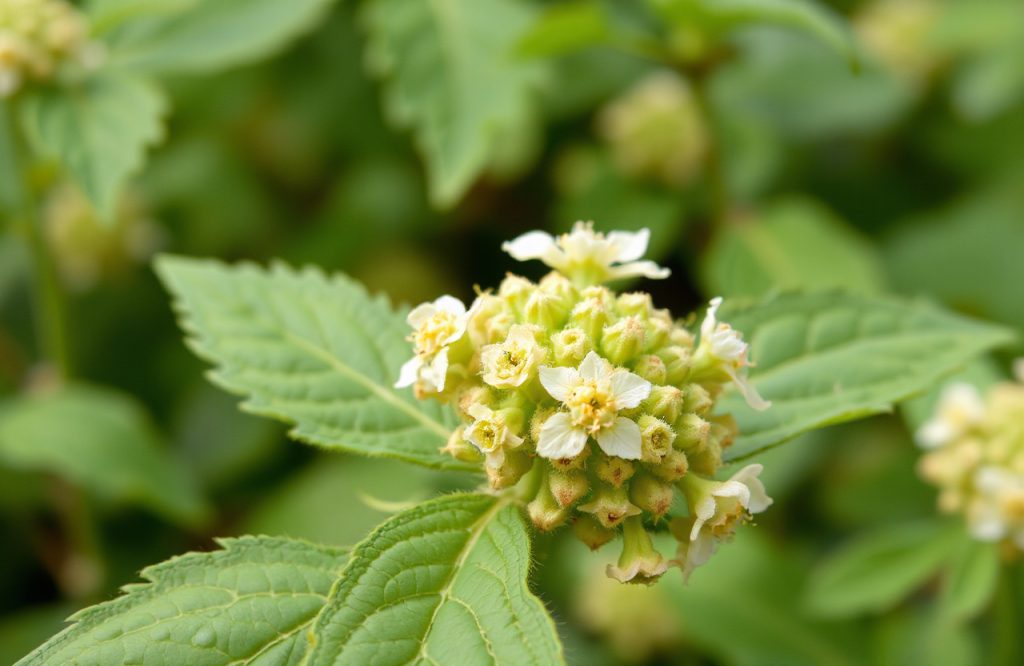
What is Butterbur?
Overview
Butterbur is a plant native to Europe, parts of Asia, and North America. Its name originates from the historical use of its large leaves to wrap and preserve butter in warm conditions. Throughout history, particularly during the Middle Ages and the 17th century, butterbur has been utilized to address various health issues, including fevers, coughs, asthma, skin ailments, and even the plague. In contemporary times, there is growing interest in butterbur for its potential benefits in treating migraines, headaches, and allergic rhinitis.
Benefits of Butterbur
Potential Medicinal Uses
As alternative remedies gain popularity, butterbur is being explored for its possible health benefits. Historical usage suggests that this plant may help reduce migraine frequency, alleviate symptoms of allergic rhinitis, and support mental health for individuals with specific psychiatric disorders. Research indicates that butterbur contains active compounds that may have therapeutic effects.
Butterbur for Migraines
Migraines are characterized by recurring, intense headaches, often accompanied by nausea and visual disturbances, posing significant challenges to daily life for many sufferers. Evidence suggests that butterbur extracts may activate specific protein channels in human cells, leading to reduced inflammation in nerve tissues. This mechanism is thought to contribute to the plant’s traditional use in migraine relief. Recent studies indicate that incorporating butterbur could be beneficial as part of a comprehensive migraine prevention strategy.
Butterbur for Allergies and Allergic Rhinitis
Allergic rhinitis, commonly known as allergies, can cause symptoms such as sneezing, a runny or congested nose, and itchy, watery eyes. The condition often coincides with seasonal allergens, affecting individuals’ quality of life. Research has identified compounds in butterbur’s leaves and roots, known as petasins, which exhibit medicinal properties. Clinical trials have demonstrated that one specific petasin significantly reduces the severity of allergic rhinitis symptoms, likely through its anti-inflammatory effects. However, more studies are needed to establish definitive evidence for butterbur’s effectiveness in treating allergies.
Cautions and Concerns
Safety and Recommendations
Butterbur gained recognition in 2012 when the American Academy of Neurology endorsed its use for migraine prevention in both adults and children. However, this recommendation was retracted in 2015 due to concerns about potential liver toxicity associated with the plant. Some butterbur products have been found to contain pyrrolizidine alkaloids (PAs), which pose risks to liver health, lung function, and vascular integrity, and may even be carcinogenic.
Fortunately, PA-free butterbur products are available and have been deemed safe for short-term use up to 16 weeks. Nonetheless, some products marketed as PA-free have tested positive for harmful compounds. Mild side effects such as itchy eyes, diarrhea, fatigue, upset stomach, and drowsiness may occur with PA-free butterbur. Additionally, individuals allergic to certain plants, including ragweed and daisies, should exercise caution. Pregnant and breastfeeding women are advised to avoid butterbur entirely due to the risks of birth defects and liver damage associated with PA-containing products, while the safety of PA-free options in these populations remains unstudied.
Consultation with Healthcare Providers
As with any treatment, it is essential to discuss the use of butterbur with a healthcare provider. They can help tailor a treatment plan that aligns with individual health goals and ensure safety while exploring alternative remedies.