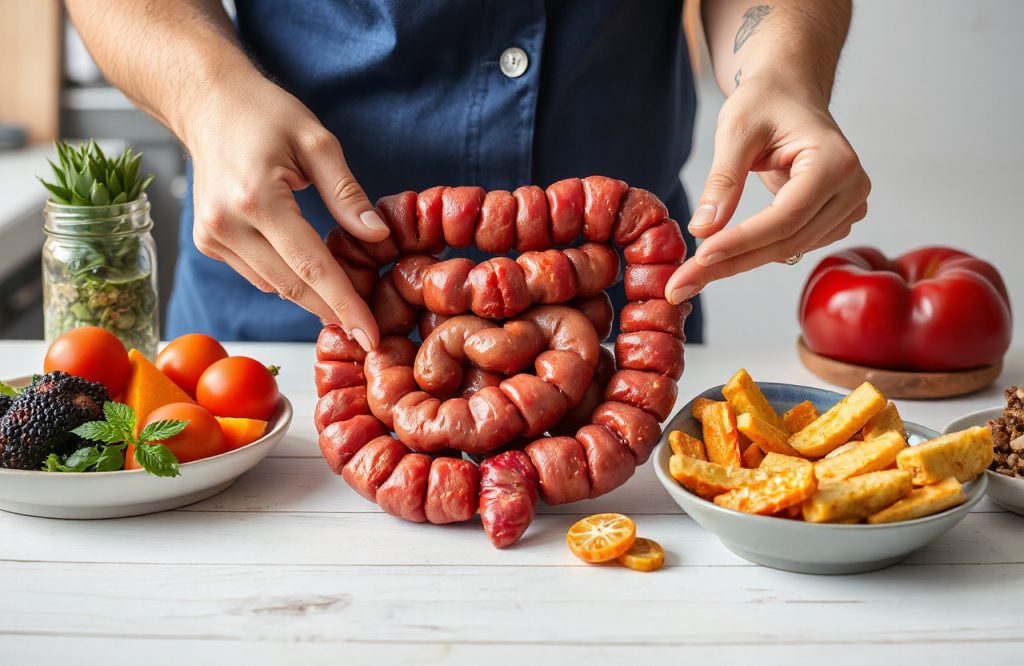
Study Investigates Dietary Risk Factors for Inflammatory Bowel Disease
Understanding Ulcerative Colitis
Recent research has aimed to identify potential dietary risk factors associated with inflammatory bowel disease (IBD), particularly focusing on ulcerative colitis. This condition can be triggered or worsened by various elements, including dietary choices, genetic predispositions, and environmental influences.
The Impact of Diet on IBD
A diet characterized by high levels of refined sugars and fats—often referred to as a “Western diet”—has garnered attention due to rising cases of IBD in regions where such diets are prevalent. In contrast, diets rich in fiber appear to have a protective effect against the disease.
Research Aims and Methodology
A study published in *Scientific Reports* explored whether excess sugar constitutes a dietary risk factor for IBD. Researchers investigated the influence of a high-sugar diet on gut microbiota and gut function in mice, assessing its potential role in increasing IBD susceptibility.
The study involved dividing mice into two groups: one received a standard chow diet, while the other was given a high-sugar diet. After two days on these diets, both groups were treated with dextran sodium sulfate over five days to induce colitis. The researchers then measured the mice’s weight and analyzed stool and blood samples.
Findings from the Study
The results indicated no significant weight differences between the two groups. However, mice on the high-sugar diet exhibited increased gut permeability compared to those on the chow diet. Additionally, these mice displayed more severe disease symptoms, heightened immune responses, and increased production of inflammatory factors.
Upon examining gut microbiota, notable differences in composition were observed between the two groups. Mice on the high-sugar diet had altered cecum conditions, specifically lower concentrations of short-chain fatty acids (SCFAs), including acetate. SCFAs are typically found at reduced levels in individuals suffering from IBD.
Acetate Supplementation Experiment
Believing that low acetate levels contributed to the severity of colitis, researchers conducted a separate experiment with mice set to begin the high-sugar diet. These mice were supplemented with acetate before starting the sugar diet. Remarkably, the severity of colitis was reduced in these mice compared to those on the high-sugar diet without acetate supplementation, although the gut microbiota remained largely unaffected.
Conclusions and Implications
The findings support the hypothesis that diet may be a significant risk factor for inflammatory bowel disease. Mice on a short-term high-sugar diet exhibited altered gut microbiota, increased colitis severity, and lower levels of SCFAs. While acetate supplementation helped mitigate disease severity, it did not significantly alter the gut microbiota.
The authors suggest that this research may offer valuable insights into the relationship between diet and IBD in humans, indicating that a high-sugar diet could exacerbate the condition, while SCFAs might play a crucial role in its management.
References
Laffin et al. A high-sugar diet rapidly enhances susceptibility to colitis via depletion of luminal short-chain fatty acids in mice. Sci Rep. 2019;9(1):12294. doi: 10.1038/s41598-019-48749-2.
Written by Olajumoke Marissa Ologundudu, B.Sc. (Hons)
Image by congerdesign from Pixabay