Brown University’s Outreach Program to Prevent Overdoses
Introduction to Fentanyl and Its Risks
An outreach initiative by Brown University in the United States seeks to reduce overdose incidents among drug users by providing fentanyl testing strips. Fentanyl, a synthetic opioid, is often mixed with other drugs such as cocaine or heroin to increase volume. The presence of fentanyl, even in tiny amounts smaller than a grain of rice, can lead to fatal consequences.
The Impact of Fentanyl on Drug Overdoses
The addition of fentanyl to high-potency opioids can go unnoticed by recreational users, resulting in overdose crises. In response, Brown University’s School of Public Health developed a study aimed at informing and educating drug users about the fentanyl content in their purchases, thereby preventing lethal overdoses.
Implementation of the Study in Rhode Island
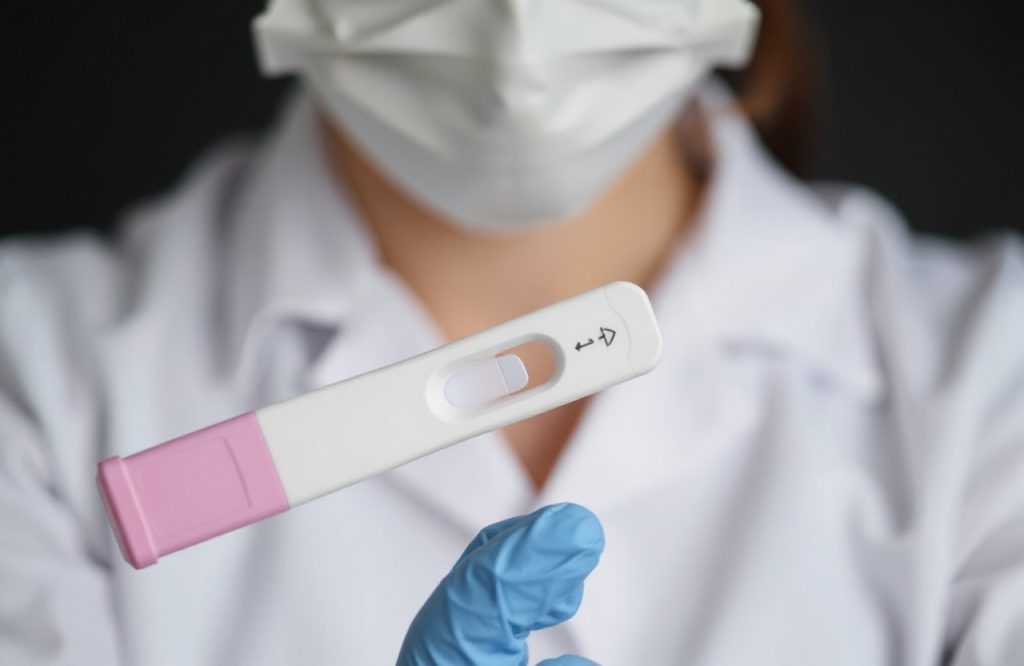
In 2017, researchers distributed fentanyl test strips to young adults in Rhode Island identified as being “at risk” for overdosing. The follow-up study aimed to understand the reasons behind the participants’ use or non-use of the test strips. Each of the 93 participants received 10 fentanyl strips, which operate similarly to over-the-counter pregnancy tests. Users dip the strip into a drug mixture before consumption or into a urine sample afterward to detect fentanyl levels.
Educational Resources Provided
Along with the fentanyl test strips, participants received overdose prevention materials and a naloxone kit to manage potential overdoses. Over a month, 81 of the 93 participants completed brief interviews, allowing researchers to collect qualitative data regarding their experiences with the strips.
Key Findings from the Study
The research identified five primary insights regarding the use of fentanyl test strips:
1. Participants tested uncertain drug purchases, enabling them to hold dealers accountable for quality.
2. Pre-consumption testing was found to be more convenient than testing urine post-consumption, where timing could be critical.
3. The strips were shared within the drug community to raise awareness and promote care among peers.
4. Users preferred testing in private, likely due to stigma or legal concerns, making the ease of use a significant factor in avoiding potential police encounters.
5. The testing practices prompted behavioral changes, with participants recounting experiences where testing influenced safer decision-making, such as reducing intake or avoiding tainted supplies.
Publication of Findings and Implications
The results of this study were published in the Harm Reduction Journal. While self-reported surveys can present biases and limitations, the testimonies collected suggest that drug outreach programs can play a vital role in mitigating the opioid crises affecting various regions of the United States. Although addiction is a formidable challenge, equipping individuals with the necessary tools for informed, health-conscious choices can foster positive changes and help combat addiction.
Reference
Goldman, J.E., Waye, K.M., Periera, K.A., Krieger, M.S., Yedinak, J.L., Marshall, B.D.L. (2018). Perspectives on rapid fentanyl test strips as a harm reduction practice among young adults who use drugs: a qualitative study. Harm Reduction Journal, 16:(3). DOI http://dx.doi.org/10.1186/s12954-018-0276-0