Research on Floatation Therapy for Anxiety, Stress, and Depression
Introduction to Floatation Therapy
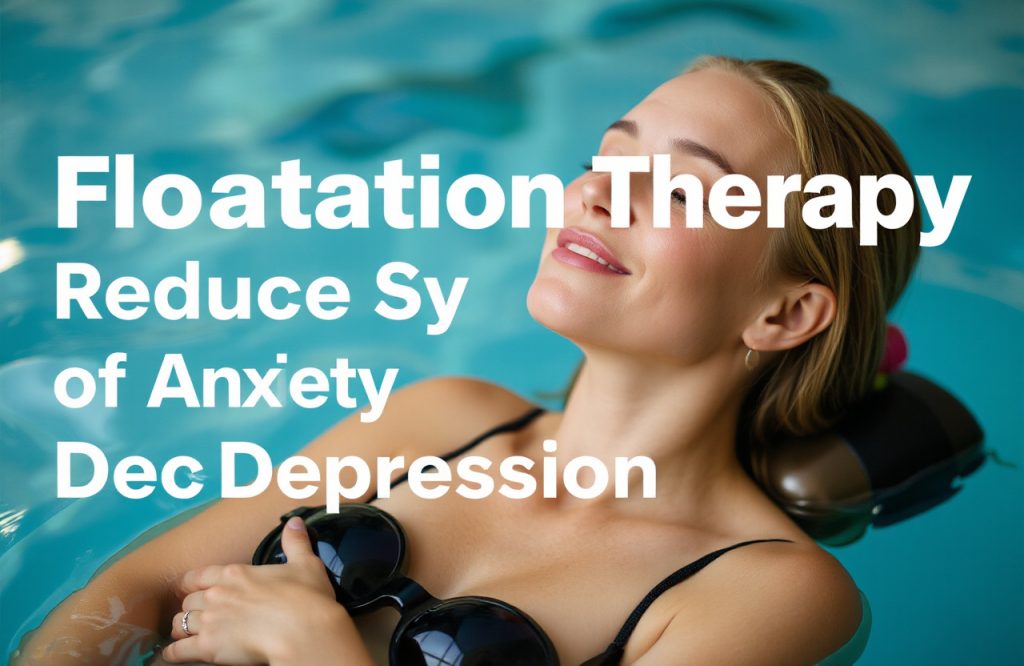
Researchers in the United States are exploring the potential of floatation therapy to alleviate symptoms of anxiety, stress, and depression in a clinical sample. Floatation therapy was developed to create an environment that minimizes external sensory input, which includes stimuli perceived through the senses such as smell, sight, touch, taste, and hearing. During a floatation session, individuals lie on their backs in a shallow pool filled with Epsom salts, allowing them to float effortlessly while keeping their eyes, nose, and mouth above the water. The environment is designed to further limit sensory input; the room is completely dark and soundproof, with temperature control to enhance comfort.
Effects of Floatation Therapy
Previous studies have consistently indicated that floatation therapy can decrease stress levels and promote relaxation, typically assessed through measures taken before and after the float session. However, most prior research has focused on healthy participants, leaving a gap regarding the effects of floatation therapy on individuals experiencing anxiety. To address this, researchers recently conducted a study, the findings of which were published in PLoS ONE.
Study Design and Participants
In this study, 50 participants were recruited, all of whom exhibited various anxiety and stress-related disorders, including post-traumatic stress disorder, generalized anxiety disorder, panic disorder, agoraphobia, and social anxiety. Notably, 46 of these participants also reported experiencing depression alongside their anxiety or stress disorders. For comparison, 30 healthy participants were also included in the study. Participants completed three types of questionnaires: baseline measures assessing their current symptoms and mood, pre- and post-float measures taken 30 minutes before and after each float, and follow-up questions about their float experience.
Response of Anxious Participants to Floatation Therapy
The floatation device used in this study was designed to be more accessible for anxious individuals. Instead of a traditional enclosed float tank, an open float pool was utilized to alleviate feelings of claustrophobia. Participants had control over their experience, with the option to enter or exit the pool as desired and choose whether to have the lights on or off. The therapy sessions did not result in any serious adverse events or significant safety concerns among the clinical participants.
Findings on Symptoms and Mood Improvements
Analysis of the data indicated significant reductions in anxiety, stress, muscle tension, pain, depression, and negative feelings among the clinical participants. Moreover, mood improvements were noted, with increases in reports of serenity, relaxation, happiness, positive feelings, overall well-being, energy levels, and peacefulness. Compared to the healthy participants, the clinical group experienced more substantial changes, and post-float anxiety levels in the clinical sample approached those of the healthy population. Notably, the greatest improvements were observed in participants who had the highest baseline anxiety levels.
Safety and Effectiveness of Floatation Therapy
Follow-up questions revealed that 47 out of 50 clinical participants believed floatation therapy could be an effective intervention for reducing anxiety. Additionally, nearly 75% of participants reported greater relaxation from floatation therapy compared to other techniques they had previously tried. All participants expressed a desire to experience floatation therapy again.
Conclusion and Future Research Directions
The study concluded that a single session of floatation therapy can lead to significant mood improvements and a reduction in anxiety within a clinical sample. These findings suggest that floatation therapy may offer substantial benefits, particularly for those who experience high levels of stress. While the results are promising, further research is necessary to confirm these findings in larger, more controlled studies and to determine whether the positive effects can be sustained or enhanced with repeated sessions.
References
Feinstein, J. S., Khalsa, S. S., Yeh, H., Wohlrab, C., Simmons, W. K., Stein, M. B., & Paulus, M. P. (2018). Examining the short-term anxiolytic and antidepressant effect of Floatation-REST. PLoS ONE, 13(2): e0190292. https://doi.org/10.1371/journal.pone.0190292
Related Topics of Interest
– The Floatation Therapy Rumour
– Strategies to Prevent Anxiety and Depression in Children
– Brief Behavioral Therapy Improves Anxiety and Depression in Youth
– Behavioral Therapy for Anxiety and Depression in Children
– Alternative Treatments for Anxiety