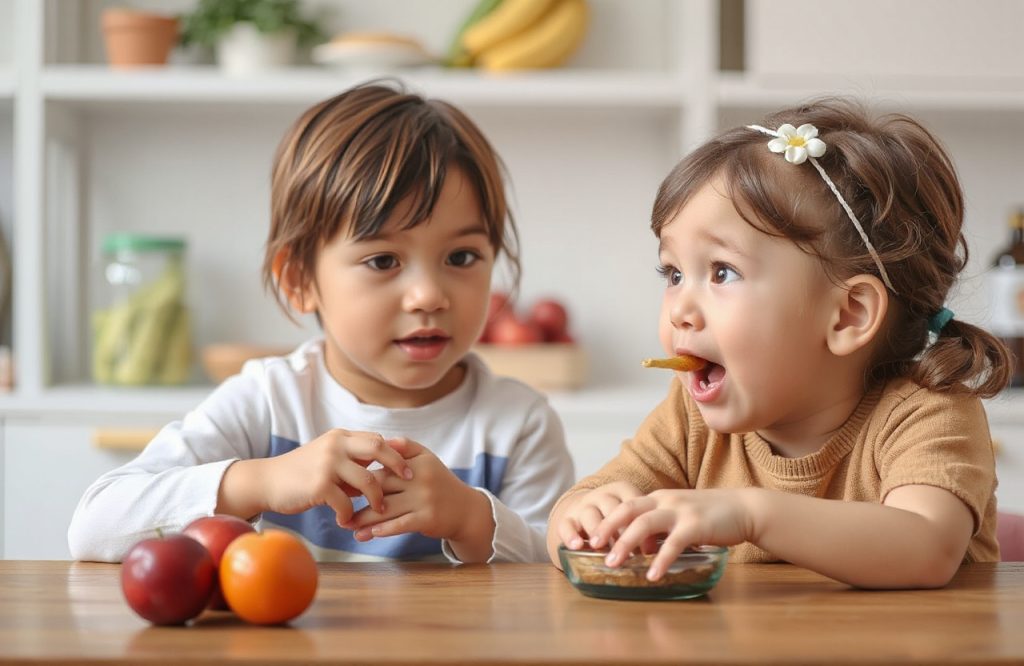
The Importance of Nutrition in Child Development
Overview of Child Nutrition
Nutrition is crucial for the health and physical development of children from their early years. Proper nourishment is essential as it significantly influences their growth and overall well-being. Parents play a critical role in ensuring that their children receive adequate nutrition to maintain good health.
Study on Gender Differences in Child Nutrition
A recent study conducted by scientists in Poland focused on examining gender differences in child nutrition to prepare for an upcoming clinical trial. This European study investigated the nutrient intake and physical activity levels of preschoolers, which will inform an intervention trial related to diet and physical activity.
Methodology of the Study
The researchers utilized weighed food records over a seven-day period to assess nutrient intakes. Parents and preschool staff recorded these details for 122 children aged four to six years, enrolled in two schools in Poland. A computer program called Delta 4.0 measured the nutrient intakes, including water and dietary supplement contributions.
Key Findings of the Research
Published in BMC Pediatrics, the study found that gender significantly influenced child nutrition. Boys exhibited higher intakes than girls in several categories, including total proteins, protein per kilogram of body weight, saturated fatty acids, carbohydrates, lactose, sucrose, water, and vitamins A, B, and C. Furthermore, minerals such as calcium, phosphorus, and magnesium were also consumed in greater amounts by boys. Notably, girls showed a higher rate of Vitamin E deficiency compared to their male counterparts.
Conclusions and Recommendations
The findings highlight concerns regarding the nutritional intake of preschoolers, regardless of gender. It is imperative that preschool diets provide sufficient nutrients to support healthy growth and development. The dietary patterns observed in these Polish children were akin to those in other European populations. Consequently, there may be a need for European societies to implement strategies that ensure all preschoolers have access to nutritious diets, thereby preventing diet-related health issues.
Reference
Merkiel-Pawłowska, S. & Chalcarz, W. (2017). Gender differences and typical nutrition concerns of the diets of preschool children – the results of the first stage of an intervention study. BMC Pediatrics, 17:207 DOI 10.1186/s12887-017-0962-1
Author Information
Written by Dr. MòNique J. Grant Coke, DNP, MPH, BSN, Medical Writer.