Study Reveals Genetic Risk Factors for High Cholesterol May Not Be Universal
Introduction to Genome-Wide Association Studies
Over the past decade, genome-wide association studies (GWAS) have emerged as a vital resource in genetics research. By analyzing whole-genome samples, GWAS identify genetic variations linked to human disease susceptibility. These studies have successfully pinpointed genetic risk factors for various complex diseases prevalent in the population, such as diabetes, cancer, cardiovascular diseases, and mental health disorders. However, most GWAS are predominantly conducted on individuals of European ancestry, raising concerns about the applicability of findings to non-European populations.
Highlighting Racial Disparities in Genetics Research
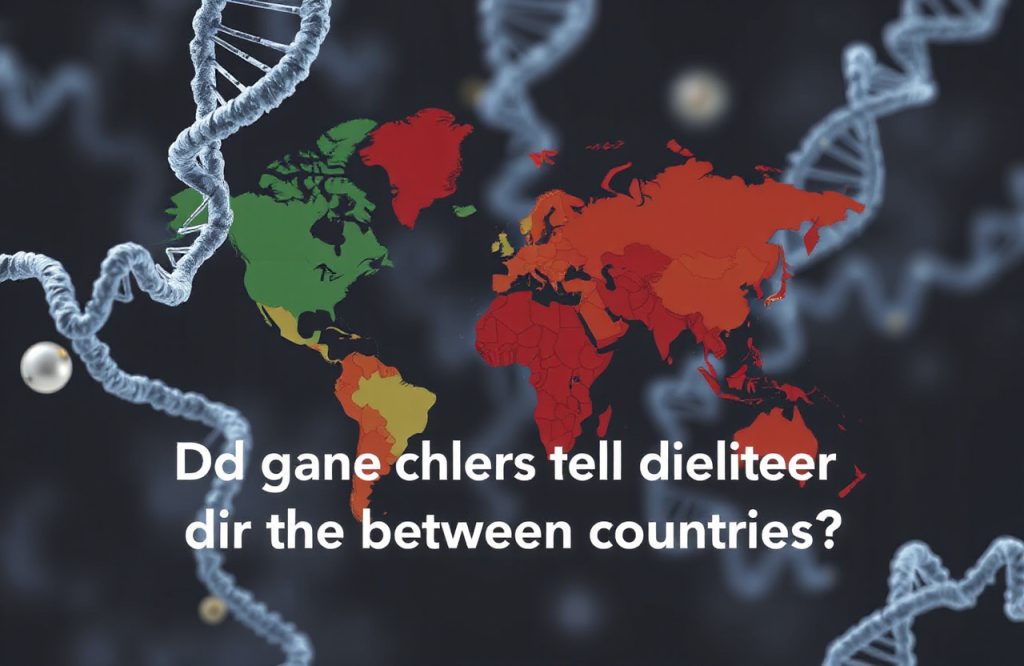
A recent study published in Nature Communications sheds light on the racial disparities present in genetic research. Researchers from University College London aimed to determine whether the genetic variants influencing blood fat levels—a significant cardiovascular risk factor—are relevant across different populations in the UK, Greece, China, Japan, and Uganda. The genetic variants in question were selected based on extensive GWAS conducted primarily on individuals of European descent.
Concerns About Applicability of Findings
“Genome-wide association studies, facilitated by the mapping of the human genome, have transformed our understanding of how our genetics impact our traits, behaviors, and disease risks. But the large majority of them have been conducted in people of European descent, so there’s a growing concern that the findings might not uniformly apply to people of diverse backgrounds,” stated Karoline Kuchenbaecker, associate professor at the UCL Genetics Institute and lead author of the study.
Key Findings of the Study
The study revealed that three-quarters of the genetic markers affecting levels of HDL cholesterol, LDL cholesterol, and triglycerides were shared between individuals of European ancestry and samples from China, Japan, and Greece. However, only 10% of the genes related to triglyceride levels were found to be relevant to the same cardiovascular risk factors among the Ugandan population.
The researchers also developed a genetic risk score to assess the relationship between known lipid-associated genes and actual fat levels in the serum of the various ancestry groups. The results indicated a weak correlation between the identified genes and serum triglyceride levels in samples from Uganda.
Call for Inclusive Research Practices
“Our findings should serve as a major warning of caution to the field of genetics research—you cannot blindly apply findings from ancestrally European study groups to everyone else,” Kuchenbaecker emphasized.
She further stressed the importance of ensuring diverse representation in genetic research before advancing new tests or treatments. “Otherwise, the consequence will be a very unfair NHS where some new drugs and genetic tests are only suitable for people of European descent,” she concluded.
References
Understanding Society Scientific Group et al. The transferability of lipid loci across African, Asian and European cohorts. Nat Commun 10, 4330 (2019).
Chris Lane. Some high-cholesterol genes differ between countries. EurekAlert! (2019).
Image by Darwin Laganzon from Pixabay.