Understanding Hair Loss in Singapore
Prevalence of Hair Loss
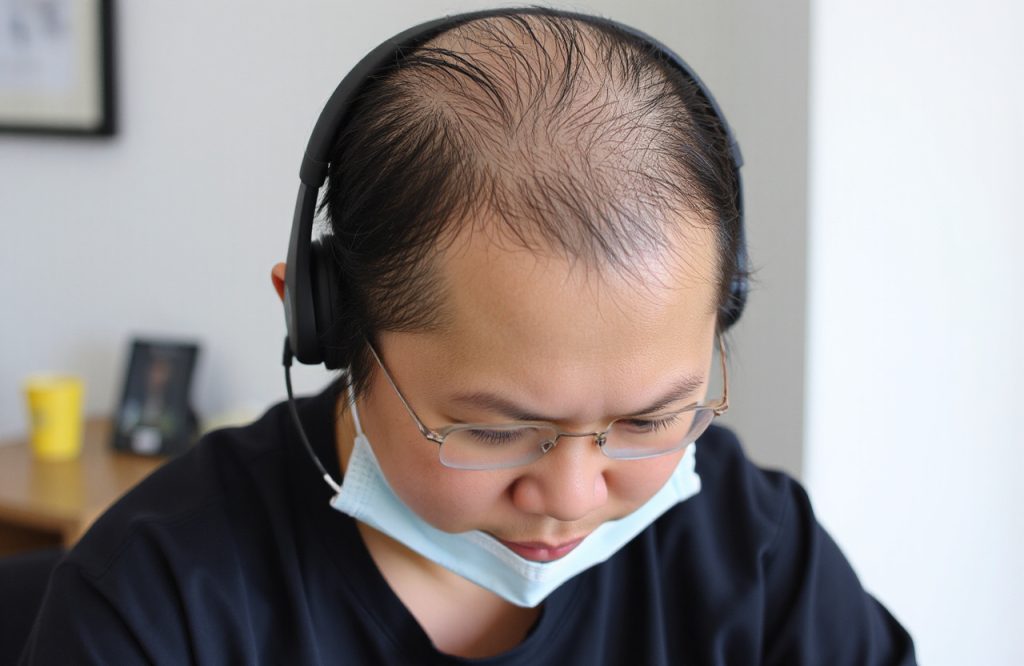
Hair loss is a widespread issue among men in Singapore, often affecting their self-esteem and appearance. Contributing factors include genetics, stress, age, and lifestyle choices. The country’s hot and humid climate may also exacerbate scalp conditions, leading to increased hair thinning. While some hair loss is normal, sudden or excessive shedding may require medical attention.
Considering Hair Transplants
For men facing significant hair loss, hair transplants offer a permanent solution by relocating healthy hair follicles to areas of thinning. However, this option is not necessary for everyone. Key considerations include:
– **Stage of Hair Loss**: Early hair loss can often be treated with non-surgical methods.
– **Cost**: Hair transplants can be expensive and entail a lengthy recovery period.
– **Personal Preference**: Many individuals prefer to explore non-invasive treatments before opting for surgery.
For many, non-surgical solutions can be equally effective.
Non-Surgical Treatment Options
Men seeking to slow hair loss or encourage regrowth have access to several non-surgical alternatives, including:
– **Topical Solutions**: Minoxidil, an over-the-counter product, is known to stimulate hair growth.
– **Oral Medications**: Certain prescription drugs can slow hair loss by blocking hormones responsible for thinning.
– **Laser Therapy**: Low-level laser therapy (LLLT) improves scalp circulation and strengthens hair follicles.
– **Scalp Therapy**: Various treatments can enhance scalp health and promote hair growth.
– **Lifestyle Changes**: A balanced diet, stress management, and gentle hair care practices can help maintain healthy hair.
The effectiveness of these treatments can vary from person to person.
Cost of Hair Loss Treatments in Singapore
The cost of hair loss treatments can differ significantly based on the method chosen:
– **Topical or Oral Medications**: $50 to $150 per month
– **Scalp Treatments**: $80 to $300 per session
– **Laser Therapy**: $100 to $500 per session
– **Hair Transplants**: $5,000 to $15,000 per procedure
Non-surgical treatments tend to be more affordable but often require ongoing use for lasting results.
Consulting a Specialist
Choosing the right healthcare provider depends on the severity of hair loss:
– **General Practitioners (GPs)**: First point of contact for general advice and treatment.
– **Dermatologists**: Specialists in scalp and skin health.
– **Hair Restoration Physicians**: Focus on advanced treatments, including hair transplants.
Seeking early consultation with specialists can enhance the chances of successful hair loss treatment in Singapore.
Regrowth of Hair
While not all lost hair will regrow, certain therapies can improve hair thickness. Key factors for success include:
– **Appropriate Hair Products**: Gentle shampoos and conditioners can promote scalp health.
– **Scalp Massages**: These can improve blood circulation and strengthen hair follicles.
– **Nutritious Diet**: Consuming protein, biotin, and iron can support hair growth.
– **Stress Management**: Reducing stress levels can help prevent further hair loss.
– **Early Treatment**: Initiating treatment soon can increase the likelihood of regrowth.
Combining multiple approaches may yield the best results.
Natural Hair Regrowth
The potential for natural hair regrowth largely depends on the underlying cause of hair loss. Temporary hair loss due to stress, poor nutrition, or illness can often be reversed naturally. In contrast, male pattern baldness typically leads to permanent follicle shrinkage, making regrowth difficult without intervention. Early treatment can help minimize further hair loss.
Choosing the Right Hair Loss Treatment
The most suitable treatment for hair loss varies based on individual needs. In mild cases, lifestyle changes and topical treatments may suffice. More severe cases could require a combination of treatments or hair transplantation. Consulting a healthcare provider is the best way to determine an appropriate treatment plan.
Preventing Hair Loss in Singapore
Proactive measures can help prevent hair loss. Some effective strategies include:
– **Using Mild Shampoos**: To avoid scalp irritation.
– **Limiting Heat Styling**: To prevent damage to hair strands.
– **Staying Hydrated**: Drinking plenty of water supports scalp and hair health.
– **Managing Medical Conditions**: Addressing issues like thyroid disorders that can lead to hair loss.
Although complete prevention may not always be possible, these measures can help slow hair loss in Singapore’s climate.
The Role of Diet in Hair Health
Diet significantly impacts hair health. Nutrient deficiencies can weaken hair, leading to excessive loss and stunted growth. Key vitamins and minerals include:
– **Iron**: Essential for oxygen transport to hair roots.
– **Biotin and Zinc**: Important for strengthening hair and preventing breakage.
– **Omega-3 Fatty Acids**: Found in nuts and fish, they help moisturize the scalp.
Conversely, diets high in processed foods, sugars, or unhealthy fats may promote inflammation and hinder hair growth. Extreme dieting can result in temporary hair loss, known as telogen effluvium. For men in Singapore experiencing hair loss, adopting a nutrient-rich diet can be a natural way to support hair health. While diet alone may not reverse hereditary hair loss, it is a vital component of overall scalp and follicle well-being, complementing other treatments.
Why is Hair Loss Common in Singapore?
The prevalence of hair loss in Singapore can be attributed to a combination of genetics, environmental factors, and lifestyle choices. The country’s high humidity can lead to scalp infections, while demanding work schedules may contribute to stress-induced hair loss. A dual approach of professional treatment and lifestyle modification can effectively address this issue.
Hair transplantation is one option, but it is not the only solution. Many men in Singapore face hair loss, and exploring various treatments, consulting with a physician, and making lifestyle adjustments can lead to healthier hair and increased confidence.