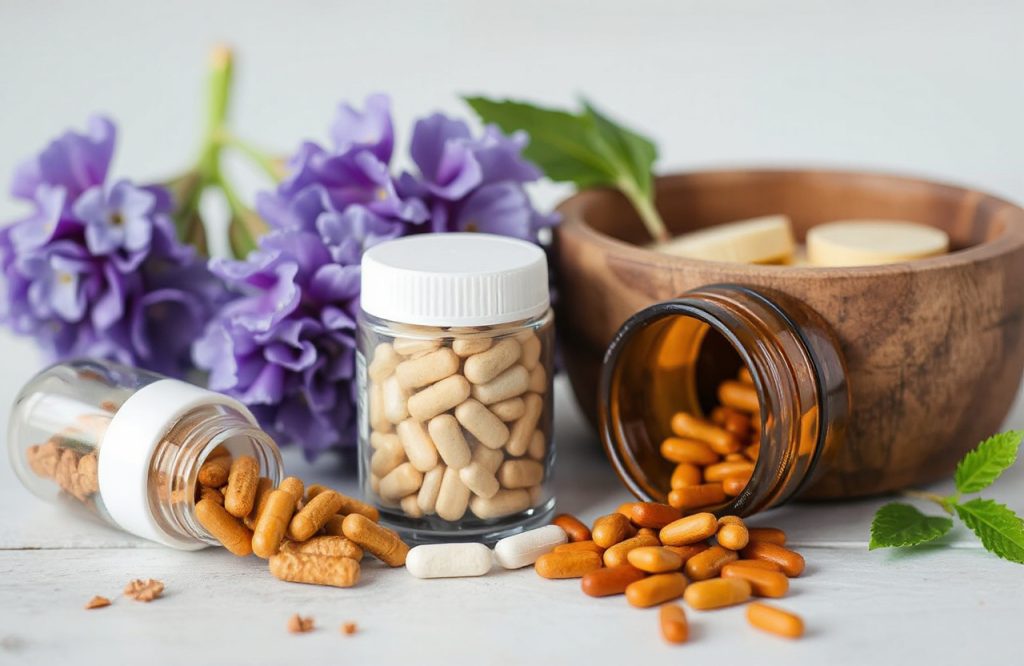
Study on Nutritional Supplements and Herbal Medicines for PCOS
Overview of Polycystic Ovary Syndrome
A recent study explores the effectiveness and safety of nutritional supplements and herbal medicines as alternative treatments for polycystic ovary syndrome (PCOS). This condition affects approximately one in five women and is recognized as the most prevalent reproductive disorder within the female endocrine system. PCOS can lead to obesity, diabetes, infertility, psychological stress, and complications during pregnancy, among other issues, often linked to insulin resistance.
Current Treatment Options
Lifestyle modifications, particularly weight reduction, are recommended as the primary treatment for PCOS. However, obese women frequently encounter physical and social barriers that hinder their ability to adhere to these changes. Other available treatments include oral contraceptive pills and glucose-lowering medications, but these options can have side effects that might detrimentally impact a woman’s quality of life. Consequently, many women turn to complementary medicine in search of improved health outcomes.
Positive Effects of Alternative Treatments
Research indicates that some women experience positive effects from using nutritional supplements and herbal medicines for managing PCOS. Certain herbal remedies may enhance hormone balance and improve menstrual regularity. The review published in BioMed Central Complementary and Alternative Medicine aimed to assess the efficacy and safety of these alternatives.
Comparative Analysis of Treatments
Methodology of the Review
Arentz and colleagues conducted a comparison of herbal medicines and nutritional supplements against placebos, nutritional therapies, or pharmaceutical treatments, using randomized control trials (RCTs). They categorized nutritional and herbal supplements as herbal extracts or pills that contain vitamins, minerals, or dietary elements. The study involved 1,406 women aged 18 to 44 diagnosed with PCOS, examining data from twenty-four RCTs. The main outcomes measured included menstrual cycle regularity and any adverse effects associated with the treatments.
Supplements and Herbal Medicines Evaluated
The researchers evaluated seven nutritional supplements such as calcium with vitamin D, vitamin D alone, and omega-3 fish oils, along with four herbal medicines including Mentha spicata and Cinnamomum sp. The treatment durations varied from thirty days to seven months, with the majority lasting between eight to twelve weeks.
Key Findings of the Trials
Two trials compared calcium plus vitamin D to the standard hyperglycemic medication metformin in women with regular menstrual cycles, revealing no adverse effects but also no significant improvements in PCOS treatment. Another study comparing metformin alone with B complex vitamins plus metformin showed no differences between the groups and reported no adverse effects. Trials comparing vitamin D supplements to placebo for PCOS also found no significant differences or adverse effects.
Limitations and Conclusions
Overall Review Results
The review concluded that no specific herbal medicine or nutritional supplement demonstrated significant efficacy in enhancing menstrual regularity. Furthermore, evidence regarding the safety of these alternative treatments remains insufficient. There was a slight indication that two nutritional supplements, inositol and omega-3 fish oil, might offer benefits for women with PCOS, warranting further investigation.
Study Limitations
The study faced several limitations, including the exclusion of non-English language studies, which restricted the overall data pool, particularly given the high usage of herbal remedies in non-English speaking populations. Additionally, the review covered a limited range of nutritional and herbal interventions, and it did not assess quality of life or well-being outcomes.
Reference
Arentz, S., Smith, C., Abbott, J., & Bensoussan, A. (2017). Nutritional supplements and herbal medicines for women with polycystic ovary syndrome: a systematic review and meta-analysis. BMC Complementary and Alternative Medicine, 17(1). http://dx.doi.org/10.1186/s12906-017-2011-x
Author
Written by Kimberly Spencer B.Sc. (Hons)