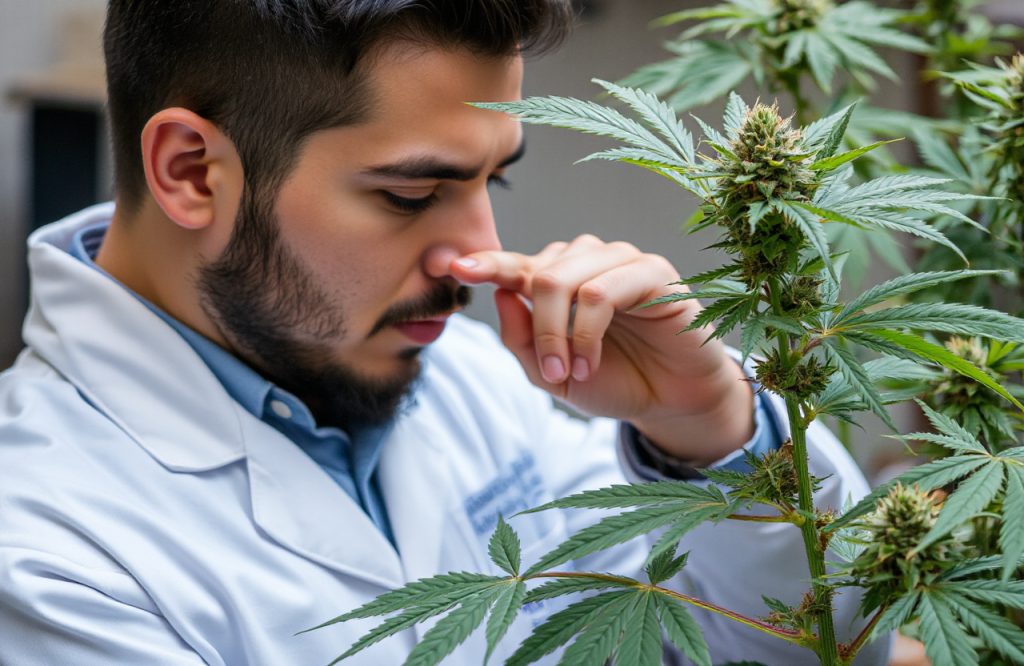
Study on Inhibitor Drug for Cannabis Withdrawal Symptoms
Introduction to Cannabis Use Disorder
In recent research, scientists investigated the potential of an inhibitor drug to alleviate cannabis withdrawal symptoms. Cannabis usage is on the rise globally, raising concerns about cannabis use disorder, particularly with the increasing availability of more potent forms of the drug. This disorder can lead to impaired behavior and significant withdrawal effects upon cessation, which can last from one to three weeks, causing symptoms such as irritability and depression.
Current Treatment Options
Various medications, including δ-9-tetrahydrocannabinol (THC) and its synthetic counterpart, nabilone, are under evaluation for managing withdrawal symptoms. However, these drugs may not effectively target the underlying behavior associated with cannabis use and could have side effects. Other medications, like nabiximols, also present mixed benefits in treating withdrawal.
FAAH Inhibition and Therapeutic Potential
Fatty acid amide hydrolase (FAAH) is an enzyme in the brain that interacts with anandamide, a brain chemical that affects cannabinoid receptors. Inhibiting FAAH may enhance anandamide’s therapeutic effects for those experiencing the consequences of prolonged cannabis use. One specific FAAH inhibitor, PF-04457845, showed promise in earlier studies as a relatively safe treatment option.
Study Design and Methodology
Researchers, led by D’Souza and colleagues, aimed to determine the efficacy of PF-04457845 in individuals undergoing cannabis withdrawal. Their findings were published in The Lancet. This double-blind, randomized study involved adult males aged 18-55 who met strict criteria for cannabis dependence. Participants were assigned to receive either 4 mg of PF-04457845 daily or a placebo. The study required participants to abstain from cannabis use for up to four days, with additional treatment observations extending three weeks beyond this period.
Study Findings
Among the 70 participants, 24 received the placebo, while 46 were administered the FAAH inhibitor. At the conclusion of the four-week period, those in the treatment group reported reduced cannabis use compared to the placebo group, although intentions to quit did not significantly differ. Urine tests indicated lower levels of THC-COOH, a metabolite associated with cannabis use, in the treatment group. Notably, withdrawal symptoms were more pronounced in the placebo group during the initial days of the study. Additionally, the treatment group experienced improved sleep quality and lower anxiety and depression scores. Adverse events were minor and occurred with similar frequency across both groups.
Implications and Future Research Directions
The study suggests that PF-04457845 may have beneficial effects in managing cannabis withdrawal symptoms and reducing cannabis use among participants. Importantly, there were no serious adverse events reported, indicating a level of safety associated with the drug.
However, the study’s limitations include its exclusive focus on male participants, as insufficient data exists regarding the drug’s efficacy and safety in women. Additionally, factors such as tobacco use might have influenced the results, indicating a need for future studies to account for concurrent substance use.
Future research is essential to confirm the safety of PF-04457845, especially considering previous trials of similar drugs that experienced serious adverse events. Continued investigation will be crucial to establish both the safety and efficacy of PF-04457845 in treating cannabis use disorder.
References
D’Souza DC et al. Efficacy and safety of a fatty acid amide hydrolase inhibitor (PF-04457845) in the treatment of cannabis withdrawal and dependence in men: a double-blind, placebo-controlled, parallel group, phase 2a single-site randomized controlled trial. The Lancet. 2019; 6:35-45. doi: http://dx.doi.org/10.1016/S2215-0366(18)30427-9.
EurekAlert! The American Association for the Advancement of Science (AAAS). The Lancet Psychiatry: Novel approach for the treatment of cannabis use disorder shows promise in phase 2 trial. AAAS (2018). https://www.eurekalert.org/pub_releases/2018-12/tl-tlp120518.php