Remdesivir’s Potential in Treating COVID-19 Supported by MERS-CoV Research
Background on Coronavirus Outbreaks
The antiviral drug remdesivir has shown promise in preventing MERS-CoV disease in monkeys, which bolsters its potential use in clinical trials for treating COVID-19. Over the past two decades, three significant coronavirus outbreaks—SARS, MERS, and COVID-19—have emerged from animal reservoirs, causing severe health issues and raising global concerns.
The Middle East Respiratory Syndrome coronavirus (MERS-CoV) was first identified in 2012, eight years after the Severe Acute Respiratory Syndrome coronavirus (SARS-CoV) emerged in late 2002. While no SARS-CoV cases have been reported since 2004, MERS-CoV continues to circulate, with 2,499 cases and 861 deaths reported by December 2019. MERS-CoV has a case fatality rate of 35%, compared to around 10% for SARS-CoV.
Advancements in Treatment Research
In response to the emergence of MERS-CoV, researchers have focused on developing animal models for testing new treatments, as no FDA-approved antivirals or vaccines currently exist for MERS-CoV. A recent report from the National Institute of Allergy and Infectious Diseases (NIAID) published in the Proceedings of the National Academy of Sciences highlights a significant advancement for remdesivir in the approval process for coronavirus treatments.
Understanding Remdesivir
Mechanism and Development
Remdesivir (GS-5734) is an experimental antiviral drug initially developed by Gilead in 2014 to combat viral diseases such as Ebola. As a nucleotide analogue prodrug, remdesivir becomes active only within cells, where it is metabolized into active metabolites that inhibit coronavirus replication by interfering with essential viral enzymes, specifically RNA polymerases. Notably, it does not affect host RNA or DNA polymerases.
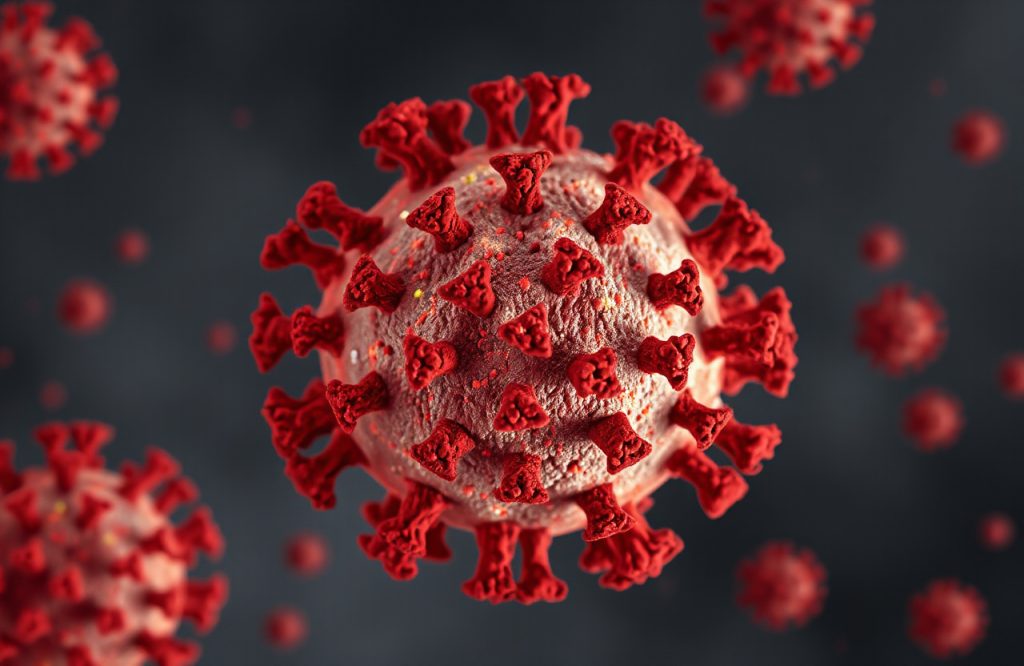
Research indicates that MERS-CoV utilizes its spike (S) protein to enter host cells, subsequently disrupting the immune response as the infection advances. Remdesivir has previously demonstrated efficacy against Ebola and Nipah viruses in monkeys, and human clinical trials are currently in progress, although other drugs have been shown to be more effective against Ebola.
Broad Antiviral Activity
In vitro studies have confirmed that remdesivir exhibits broad antiviral activity against various virus families, including filo-, pneumo-, and paramyxoviruses, without significant toxic effects. It has been shown to inhibit the replication of several coronaviruses, including SARS-CoV and MERS-CoV, in human airway epithelial cells. In vivo studies with mice have also verified remdesivir’s effectiveness against SARS-CoV.
Clinical Trials and Findings
Study Design and Results
In a recent study, researchers assigned 18 male rhesus macaques to three groups of six at NIAID’s Rocky Mountain Laboratories. One group received prophylactic treatment with 5 mg/kg of remdesivir 24 hours prior to MERS-CoV infection, while another group received the same dosage therapeutically, 12 hours post-infection. A control group received no treatment. The treatment continued daily for six days, after which researchers assessed viral RNA levels and lung tissue damage.
The control group exhibited respiratory disease symptoms, including increased respiration rates and lung lesions indicative of pneumonia. In contrast, those treated prophylactically showed normal lung tissue and significantly reduced MERS-CoV replication. No lesions were found in their lung tissues.
Implications for Hospital Acquired Cases
Given that one-third of MERS-CoV cases occur in healthcare settings, prophylactic treatment with remdesivir could be pivotal in preventing disease among healthcare workers and those in close contact with infected patients. For diagnosed MERS-CoV patients, remdesivir may help diminish virus replication and lessen the severity of lung lesions.
Among the animals treated therapeutically, five out of six showed increased respiration rates that remained significantly lower than the control group on days three and six. They also demonstrated reduced levels of MERS-CoV replication in the lungs compared to the control group, although their levels were higher than those in the prophylactically treated group. Notably, the lung damage in this group was less severe.
Future of Remdesivir in COVID-19 Treatment
Next Steps in Research
Given remdesivir’s demonstrated in vitro and in vivo effectiveness against coronaviruses structurally similar to COVID-19, there is potential for it to serve as a treatment for COVID-19. The drug is currently advancing to human clinical trials in China, with results expected in the coming months.
While remdesivir is not yet licensed or approved by any global drug regulators, it has been used in emergency treatments for a limited number of patients lacking other approved options, without noted adverse effects.
Author Information
Written by Maria-Elena Bernal
References
Wit, E. de, et al. (2020). Prophylactic and therapeutic remdesivir (GS-5734) treatment in the rhesus macaque model of MERS-CoV infection. Proceedings of the National Academy of Sciences. Retrieved from https://www.pnas.org/content/early/2020/02/12/1922083117#F3
Remdesivir prevents MERS coronavirus disease in monkeys. Retrieved from https://www.eurekalert.org/pub_releases/2020-02/nioa-rpm021320.php
Characterizing MERS-CoV Disease. Retrieved from https://www.niaid.nih.gov/diseases-conditions/characterizing-mers-cov-disease
Gilead Sciences Pipeline. Retrieved from https://www.gilead.com/science-and-medicine/pipeline
Clinical Trials for Severe 2019-nCoV Remdesivir RCT. Retrieved from https://clinicaltrials.gov/ct2/show/record/NCT04257656
Gilead’s Statement on Coronavirus Treatment. Retrieved from https://www.gilead.com/news-and-press/company-statements/gilead-sciences-statement-on-the-company-ongoing-response-to-the-2019-new-coronavirus
Gilead Assesses Ebola Drug as Possible Coronavirus Treatment. Retrieved from https://news.bloomberglaw.com/pharma-and-life-sciences/gilead-assesses-ebola-drug-as-possible-coronavirus-treatment
WHO Evidence Summaries on Experimental Therapeutics. Retrieved from https://www.who.int/ebola/drc-2018/summaries-of-evidence-experimental-therapeutics.pdf?ua=1
Nature Research on Remdesivir. Retrieved from https://www.nature.com/articles/srep43395