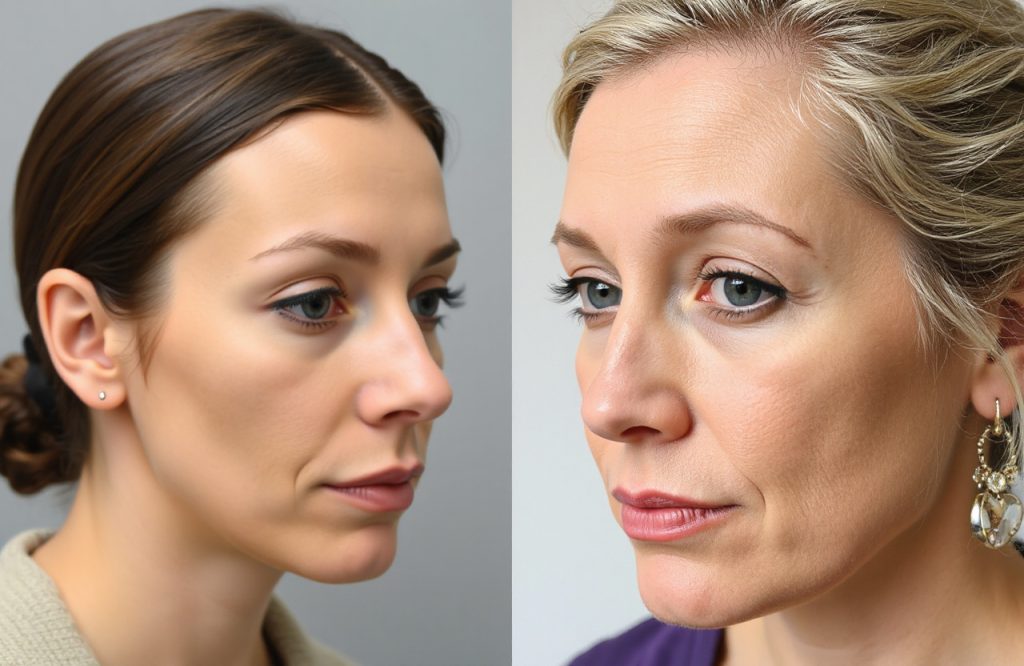
Understanding Rhinoplasty: The Importance of Age
Introduction
Making small yet impactful changes can significantly enhance our self-image. The shape of the nose plays a crucial role in achieving facial symmetry and boosting self-esteem. Interestingly, the desire for cosmetic enhancements transcends age. Rhinoplasty, commonly known as a nose job, is gaining popularity for its aesthetic and functional benefits. However, the appropriateness of this procedure is closely tied to the patient’s age, as age influences skin elasticity, healing capacity, and overall health—factors that are pivotal for successful surgical outcomes. This article explores the significance of age in relation to rhinoplasty and its viability across various age groups.
Why Does Age Matter for Rhinoplasty?
To determine the suitability of rhinoplasty for different age groups, it is essential to understand how nasal structures change with time. Key factors influencing this consideration include:
Growth and Maturation
The nose, like other facial features, continues to grow during adolescence. Undergoing surgery too early may lead to changes in nasal shape as growth continues, potentially resulting in asymmetry.
Skin Quality and Elasticity
Younger skin typically heals more quickly and effectively, making it more adaptable than older skin, which may be thicker and less elastic. This variance can influence postoperative results.
Healing Capacity and Physiology
Individuals aged 16 to 40 often experience faster tissue regeneration and healing, whereas these processes tend to slow down after age 40, impacting surgical outcomes.
Health and Comorbidities
Older patients may have preexisting medical conditions, such as diabetes or heart disease, which can elevate surgical risks and complicate recovery.
Emotional and Psychological Readiness
Younger and middle-aged individuals often possess a strong desire to improve their appearance. Their motivation and understanding of potential complications are critical for surgical success.
Rhinoplasty and Age Groups: An Overview
Age is a significant factor in the cosmetic surgery realm. The implications of rhinoplasty can differ dramatically between teenagers and older adults. The following sections outline how rhinoplasty is perceived across various age demographics.
Teenagers
Teenagers are among the most sensitive groups regarding rhinoplasty. Decisions at this age should be made with careful consideration of both physical and emotional maturity. It is generally advisable for teenagers to wait until nasal growth is complete—typically around 15 to 16 years for girls and 16 to 17 years for boys—to ensure lasting results. Realistic expectations are essential; surgery should not be sought for purely aesthetic reasons until the nose has matured. Below the age of 15, rhinoplasty is mainly reserved for severe functional issues affecting breathing.
Young Adults
Individuals in their 20s to early 30s are often viewed as ideal candidates for rhinoplasty. At this stage, the primary motivations for surgery usually involve cosmetic enhancements, such as achieving facial balance, correcting breathing difficulties, or boosting self-esteem. In some cases, injuries or other conditions may necessitate surgery. With expert consultation and a skilled surgeon, patients can achieve both aesthetic and functional improvements, leading to enhanced self-image. Notable advantages of undergoing rhinoplasty in this age group include:
– Stable outcomes due to facial maturity
– Greater patient satisfaction linked to psychological stability
– Improved skin resilience and healing capabilities
– Low-risk profile for complications
Middle Age
The 30s represent a viable age range for rhinoplasty. At this stage, aesthetic goals often focus on combating signs of aging, such as a drooping nasal tip or thickening skin. Functional concerns may also prompt individuals to pursue surgery. To achieve natural-looking results, surgical techniques are frequently tailored to account for reduced skin elasticity. While rhinoplasty can greatly enhance both appearance and functionality for middle-aged patients, it is crucial to have a comprehensive evaluation and realistic expectations.
Older Adults
For older adults, rhinoplasty can be more complex due to various factors, including skin quality and overall health. Surgical procedures for this demographic typically aim for subtle rejuvenation and functional enhancements. Advances in surgical techniques and anesthesia have made rhinoplasty accessible to older patients, though dramatic transformations may not be feasible. Many patients report significant improvements in facial harmony and functionality.
Essential Tips for All Age Groups
Regardless of age, several key considerations remain vital for anyone contemplating rhinoplasty:
– Choose a board-certified and experienced surgeon familiar with your specific age group.
– Maintain realistic expectations about the procedure, including understanding trade-offs, limitations, and recovery timelines.
– Preoperative planning should involve imaging, realistic simulations, nasal function assessments, and psychological readiness.
– Postoperative commitment is crucial; adhere to follow-up appointments, manage swelling, and care for the surgical site to achieve optimal results.
– Health optimization—such as quitting smoking, managing chronic conditions, and maintaining good nutrition—can enhance healing at any age.
Conclusion
In the realm of cosmetic surgery, rhinoplasty stands out as a procedure that can effectively rejuvenate and enhance facial aesthetics through improvements in nose shape and function. While considerations like the cost of rhinoplasty in Lahore are relevant, age remains a pivotal factor affecting both outcomes and expectations. As such, the feasibility of rhinoplasty varies across different age groups. Those under 15 may face challenges due to ongoing growth, while individuals in their 20s to 30s are often seen as ideal candidates. Patients up to 40 can also achieve satisfactory results, although older adults should approach the procedure with specific considerations and realistic expectations. Ultimately, rhinoplasty can be a successful option for individuals at many stages of life, provided they understand the associated limitations.