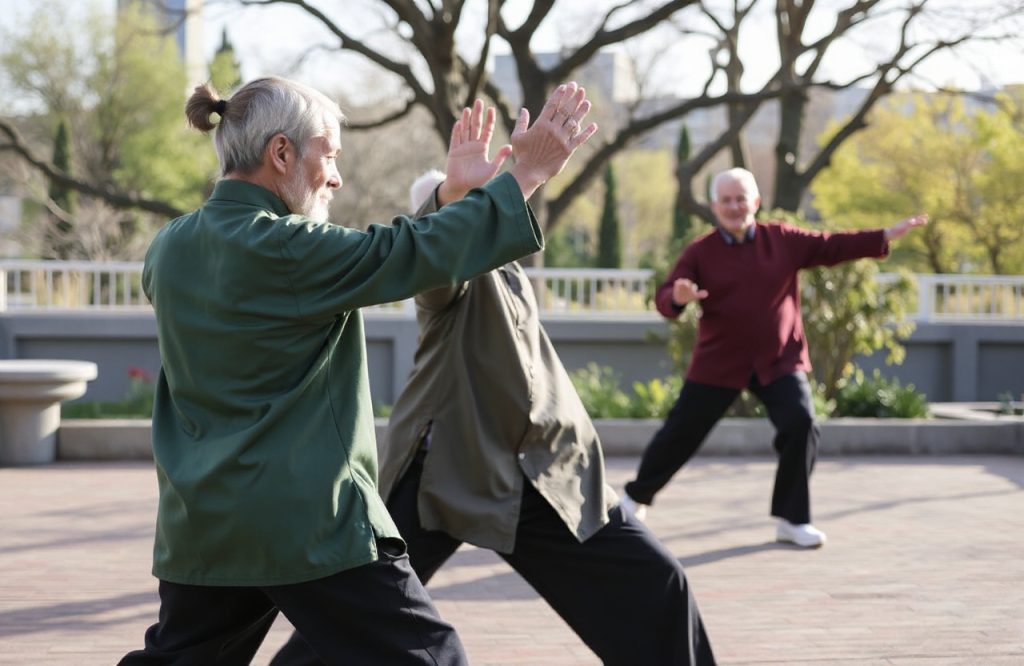
Research on Tai Chi and Fall Prevention in Older Adults
Introduction to Tai Chi
Researchers are investigating the potential benefits of tai chi, an ancient Chinese martial art, in reducing the risk of accidental falls among older adults. Often described as a “moving meditation,” tai chi focuses on enhancing flexibility and coordination throughout the body. Previous reports have highlighted a variety of physical advantages associated with tai chi, including alleviating arthritis symptoms and improving posture; however, scientific validation has been limited.
Study Overview
In a study published in the Journal of the American Geriatric Society, researchers analyzed data from ten distinct studies to evaluate the impact of tai chi on fall prevention in older adults.
The Impact of Falls on the Elderly
Fall Statistics and Consequences
Falls are a leading cause of traumatic death among the elderly. In North America, more than 15% of older adults experience at least one fall every three months, with 6% resulting in life-threatening injuries. The financial burden on the US healthcare system due to falls in this demographic exceeds $1 billion every three years. Factors contributing to accidental falls often include poor balance and inadequate gait patterns, conditions that may improve through exercise programs like tai chi.
Research Methodology
To determine the effectiveness of tai chi in reducing falls, the research team analyzed data from over 1,500 participants aged between 56 and 98. Participants engaged in one-hour tai chi sessions one to three times a week, and the frequency and severity of falls were monitored for up to 70 weeks after the intervention.
Findings on Tai Chi and Fall Risk
Results of the Study
The study revealed that older adults participating in tai chi had significantly lower rates of injury-related falls. Specifically, tai chi practitioners were 43% less likely to fall compared to non-participants and showed a 50% reduction in falls leading to serious injuries. However, the analysis primarily covered the first 12 months after starting tai chi sessions, indicating a need for further research to determine if these benefits extend beyond that timeframe.
Recommendations for Practice
For older adults experiencing balance issues or difficulties with gait, the authors advocate for tai chi as a viable method to decrease the risk of accidental falls. Many community tai chi programs are available at no cost, and the techniques can be practiced at home with minimal equipment. Nevertheless, the researchers recommend that participants engage in tai chi under the guidance of professional trainers, rather than practicing independently.
Conclusion
The findings from this research suggest that tai chi may serve as an effective intervention for older adults to mitigate the risk of falls. Continued investigation is necessary to explore the long-term effects of tai chi practice on fall prevention.
References
Lomas-Vega, R., Obero-Gaitán, E., Molina-Ortega, F.J. and Del-Pino-Casado, R. (2017). Tai Chi for Risk of Falls: A Meta-Analysis. Journal of the American Geriatric Society. 65: 2037-2043.