Antiviral Properties of Curcumin Investigated by Chinese Researchers
Research Background
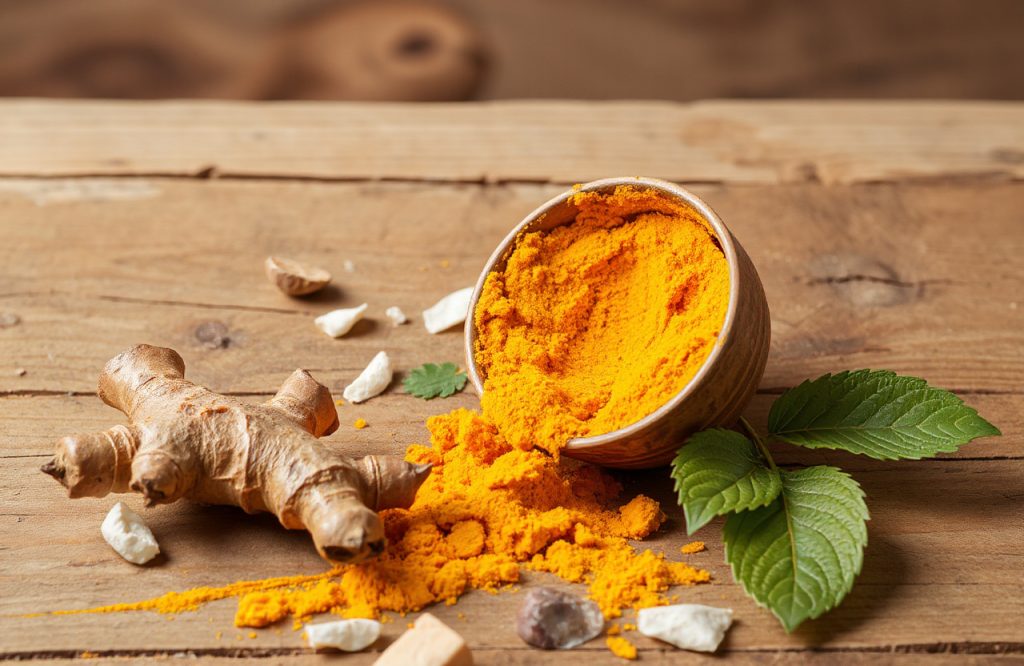
Researchers in China have explored the antiviral potential of curcumin, a compound derived from turmeric, a spice commonly used in various cuisines. There is increasing interest in the antiviral capabilities of naturally occurring compounds, particularly those utilized in Traditional Chinese Medicine and other alternative therapies. Curcumin has demonstrated efficacy against several viruses, including Zika virus, dengue fever, and hepatitis B. Additionally, it exhibits antitumor, anti-inflammatory, and antibacterial properties.
Study on Transmissible Gastroenteritis Virus
Encouraged by previous findings, the researchers focused on the antiviral effects of curcumin against transmissible gastroenteritis virus (TGEV). This virus belongs to the alpha group of coronaviruses and causes a highly infectious diarrheal disease in pigs, often resulting in high mortality rates among piglets under two weeks old. The results of their study have been published in the Journal of General Virology.
Laboratory Experiments and Findings
In their experiments, the research team pre-treated pig kidney cell cultures with varying concentrations of curcumin before exposing them to TGEV. The results revealed that pig cells treated with higher curcumin concentrations exhibited a reduced number of virus particles. Further analysis indicated that curcumin mitigated TGEV infection through multiple mechanisms: directly killing the virus, inactivating it by affecting its viral shell, and altering the pig cells to decrease TGEV adsorption.
Future Research Directions
The researchers intend to extend their investigations into animal model studies to establish whether the antiviral effects of curcumin are observable in vivo. This research will also help elucidate the biological mechanisms by which curcumin may prevent viral infections.
Challenges in TGEV Management
Despite the existence of a vaccine for TGEV, its effectiveness in preventing the spread of the virus remains limited, posing significant challenges to the swine farming industry. Currently, no approved treatments are available for TGEV.
Expert Commentary
Dr. Lilan Xie, the lead author from the Wuhan Institute of Bioengineering, highlighted the difficulties in managing viral diseases, particularly in the absence of effective vaccines. He noted, “Traditional Chinese medicine and its active ingredients are ideal screening libraries for antiviral drugs because of their advantages, such as convenient acquisition and low side effects.” The research team is optimistic that curcumin could become a viable treatment option for TGEV infections in the future.
References
1. Li Y, Wang J, Liu Y, et al. Antiviral and virucidal effects of curcumin on transmissible gastroenteritis virus in vitro. Journal of General Virology, published online 17 July 2020. Doi: https://doi.org/10.1099/jgv.0.001466.
2. Microbiology Society, Press release 17 July 2020. Turmeric could have antiviral properties. https://www.eurekalert.org/pub.releases/2020-07/ms-tch071720.php
Image by cgdsro from Pixabay.