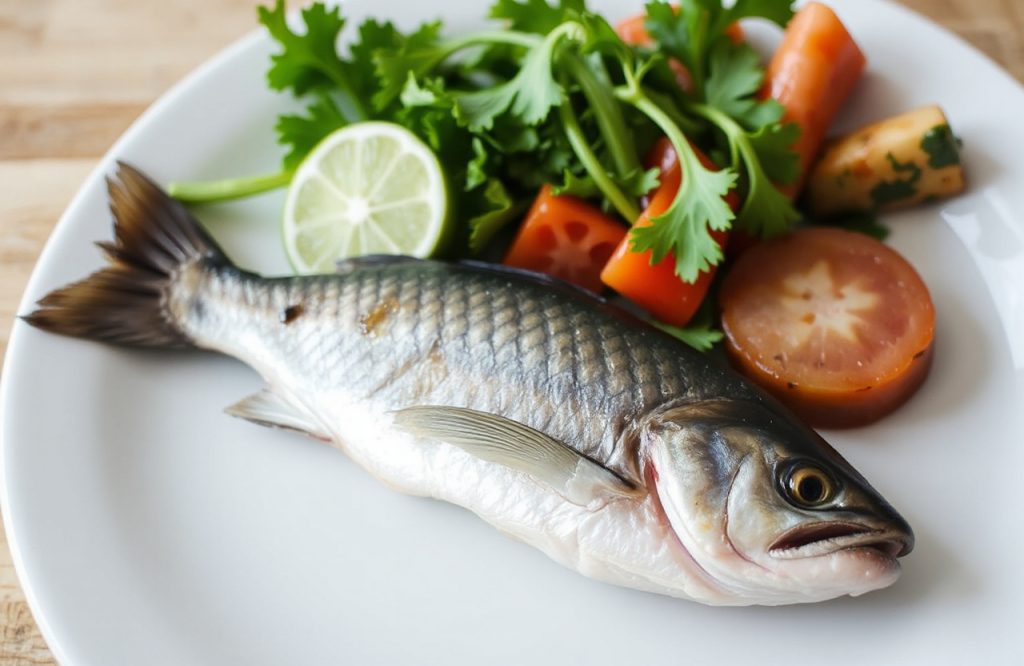
Impact of Fish Diet on Childhood Asthma
Study Overview
A recent study explored the potential benefits of a fish-rich diet for children suffering from asthma. Asthma, a common respiratory condition, significantly impacts quality of life and affects individuals globally. Thus, there is an ongoing need to identify effective treatments. Environmental factors such as dust and pollution, along with dietary influences, may contribute to the onset of asthma. It is believed that a healthy diet, featuring fewer processed foods and an increased intake of vegetables, fruits, and fish, can help prevent asthma in younger populations. The Mediterranean diet, which promotes the consumption of fish and limits sweets, is often cited as a beneficial dietary pattern.
Omega-3 Fatty Acids and Asthma Prevention
The relationship between omega-3 fatty acids and asthma prevention has been unclear. Fatty fish are a primary source of omega-3 fatty acids. Previous observational studies involving young children suggested that diets rich in fish might prevent asthma due to these fatty acids and other nutrients like antioxidants. However, definitive proof has been lacking. To address this gap, researchers led by Papamichael aimed to establish a connection between omega-3 fatty acids and asthma prevention through a Mediterranean diet that included increased fish consumption among Greek children with asthma. Their findings were published in the Journal of Human Nutrition and Dietetics.
Research Methodology
The study was a randomized controlled trial that lasted six months and involved two participant groups. One group followed a modified asthma diet that included two fish meals per week (approximately 150 grams), while the other group maintained their regular diet. To ensure adherence to the diet plan, participants completed questionnaires regarding food intake, and additional tests and consultations were conducted.
Findings from the Study
A total of 31 children adhered to the fish diet plan while 33 continued their normal diet. After six months, researchers found that the group consuming fatty fish had elevated levels of omega-3 fatty acids compared to the control group. However, assessments of quality of life and spirometry measurements, which evaluate pulmonary function, revealed no significant differences between the two groups from the beginning to the end of the study. Notably, the fatty fish group exhibited a marked reduction in bronchial inflammation after controlling for various confounding factors.
Limitations and Future Research
The study had some limitations, including a relatively short follow-up period of six months and potential biases in questionnaire responses. Other influencing factors, such as exposure to tobacco and socioeconomic status, may also have impacted the results. Despite these limitations, the authors concluded that the reduction in bronchial inflammation appears to be associated with the consumption of at least two 150-gram fish meals weekly as part of a Mediterranean diet. They emphasized the need for further research to replicate these findings and assess the potential benefits of a high-fish asthma diet in managing asthma.
Conclusion
The ongoing quest for effective asthma treatments remains a top priority, and this study contributes valuable insights into the role of diet in managing this condition.
Reference
Papamichael MM, et al. Efficacy of a Mediterranean diet supplemented with fatty fish in ameliorating inflammation in pediatric asthma: a randomized controlled trial. J Hum Nutr Diet. 2018; 1-13. doi: https://doi.org/10.1111/jhn.12609.