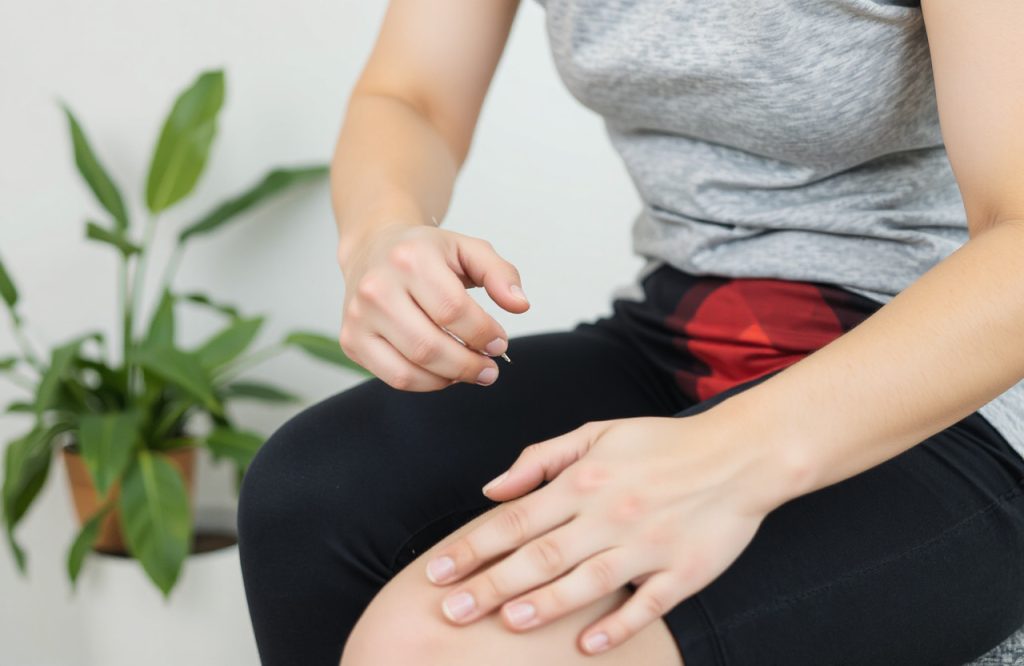
Acupuncture as a Therapy for Hip Osteoarthritis
Overview of Hip Osteoarthritis
Acupuncture may serve as a viable treatment for hip osteoarthritis, according to a recent study that reviewed a limited number of clinical trials assessing its effectiveness. Osteoarthritis is a chronic and painful condition characterized by the deterioration of protective cartilage in the joints, often resulting from age or prolonged wear. In Western countries, hip osteoarthritis affects approximately 3 to 11% of adults. Currently, there is no cure, and treatments typically involve exercise, physical therapy, and medications such as pain relievers and anti-inflammatory drugs. In severe cases, surgery is necessary, with around 200,000 hip replacements performed annually in the United States.
Understanding Acupuncture
Traditional Chinese acupuncture involves inserting needles into specific points of the body, based on the belief that energy flows along certain pathways. Disruptions in this energy flow are thought to lead to pain or illness. While there is no scientific evidence supporting this energy concept, acupuncture may stimulate the body to release natural pain-relieving molecules or temporarily reduce the nervous system’s pain perception. The procedure is generally considered safe, leading to various clinical trials evaluating its effectiveness for hip osteoarthritis.
Recent Research Findings
Study Overview
A collaborative group of American and Chinese researchers aimed to consolidate the findings of previous studies on acupuncture’s effectiveness for hip osteoarthritis. Their findings were published in the Cochrane Database of Systematic Reviews.
Safety of Acupuncture
The researchers analyzed clinical trials comparing acupuncture with other treatments for hip osteoarthritis. They identified six trials that met their criteria, with participants averaging 61 to 67 years old, two-thirds of whom were women. These individuals had experienced hip osteoarthritis pain for two to eight years before the studies. Acupuncture sessions lasted between 4 and 13 weeks. Of the four trials that reported on safety, none indicated serious adverse effects from acupuncture. Minor side effects, such as bruising or localized pain, were noted in some patients.
Effectiveness Compared to Sham Acupuncture
In clinical trials, blinding is crucial to ensure that neither participants nor researchers know who is receiving the actual treatment versus a control treatment. This helps prevent bias in treatment delivery and minimizes placebo effects. Some studies use sham acupuncture, where needles do not penetrate the skin or are placed inaccurately, to maintain blinding.
The researchers identified two studies comparing acupuncture with sham acupuncture. Both studies concluded that acupuncture did not outperform the sham procedure in reducing pain or enhancing hip function. While one study noted a slight improvement in participants’ quality of life, the other did not assess this aspect.
Comparative Effectiveness of Acupuncture and Conventional Therapy
The researchers also reviewed four studies that compared conventional medical care alone with care supplemented by acupuncture. However, these studies were rated as low to very low quality due to their small sample sizes (28 to 137 participants) and lack of blinding. The most reliable study indicated that acupuncture combined with routine medical care was more effective than routine care alone in alleviating pain and improving physical quality of life, but not mental quality of life. Other studies reported varying results, with some indicating no significant advantage of acupuncture over standard care.
Conclusion and Future Directions
The overall conclusion from the research suggests that acupuncture likely does not provide additional benefits compared to sham treatments. Although there is some evidence indicating acupuncture may be superior to conventional therapies, the limitations in study designs weaken the reliability of these findings. Many trials did not adequately account for placebo effects, highlighting the need for higher-quality studies with larger participant numbers and proper blinding to definitively assess acupuncture’s effectiveness for hip osteoarthritis. Importantly, no serious adverse effects were associated with acupuncture, making it a safe option for patients wishing to complement standard therapies.
References
Manheimer, E., Cheng, K., Wieland, L. S., Shen, X., Lao, L., Guo, M. & Berman, B. M. Acupuncture for hip osteoarthritis. Cochrane Database of Systematic Reviews (2018).