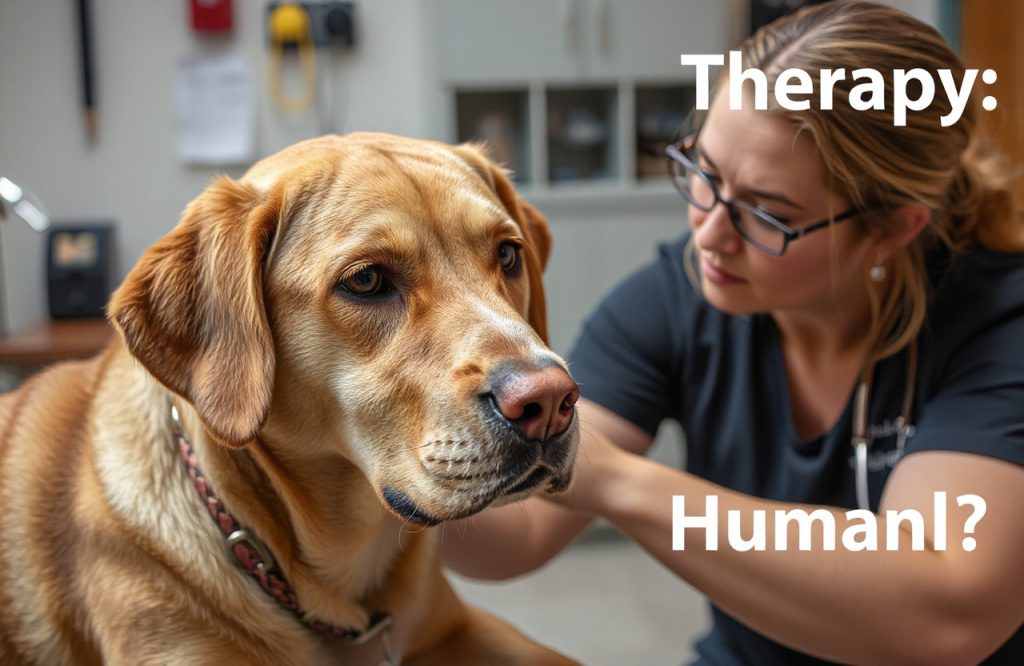
The Significance of Animal Therapy
Understanding the Human-Animal Bond
Animal therapy is rooted in the profound relationship between humans and animals. The American Veterinary Medical Association highlights that both parties gain emotional, psychological, and physical benefits by spending time together. This concept, known as the human-animal bond theory, suggests that interactions with animals can enhance overall well-being.
What is Animal Therapy?
Animal therapy, or animal-assisted therapy, is a structured program designed to incorporate animals into therapeutic settings. This approach has been shown to improve communication, gross motor skills, psychosocial skills, and sensory processing. Typically, occupational therapists facilitate these sessions. According to the human-animal bond theory, therapy animals can be viewed as “mental health animals.” Engaging with them can promote relaxation, alleviate stress, enhance mood, reduce aggression, and encourage daily activities for individuals struggling to find their purpose.
Application of Therapy Animals
Common Types of Therapy Animals
Several animals are commonly utilized in therapy, including dogs, horses, and dolphins. Each type offers distinct benefits and is suited for various conditions. Preferences may vary among individuals, but certain classes of animals have shown the most effectiveness and research support.
Canine Therapy
Canine therapy is the most widely recognized form of animal therapy. It has been particularly effective in reducing certain behaviors in individuals with autism. Additionally, this form of therapy has demonstrated improvements in language and motor development, self-esteem, concentration, and alleviation of dementia symptoms.
Equine Therapy
Equine therapy is beneficial for muscle activation and body awareness in patients. This approach is applicable in both mental health and physical therapy for children and adults.
Dolphin Therapy
Dolphin therapy, sometimes referred to as delphinotherapy, utilizes these marine mammals, known as “master therapists,” to provide therapeutic benefits. The sounds they produce can have a calming effect, making this therapy suitable for individuals with Down syndrome, attention deficits, and autism.
Research Insights on Therapy Animals
Therapy Dogs and Autism
A 2020 study conducted in Australia explored the effectiveness of therapy dogs for children with autism. The study involved 22 children aged four to six, who were divided into treatment and control groups. Both groups underwent nine one-hour occupational therapy sessions; however, the treatment group included a therapy dog in seven of those sessions. Researchers evaluated the children’s ability to focus and achieve goals during therapy. Findings indicated that while children who received canine therapy showed improvements, these results were not statistically significant compared to the control group. The authors concluded that further research with larger sample sizes and longer durations is necessary to validate the effectiveness of canine therapy for autism.
Therapy Animals and Dementia
There is currently no definitive treatment to slow the progression of dementia. However, therapy animals may offer a promising approach to disease management with minimal risk of adverse effects. A review of nine randomized controlled trials involving patients with dementia who received therapy with dogs or horses indicated slight improvements in depression levels, although no significant changes were observed in social functioning, agitation, or daily task performance.
The Future of Animal Therapy
While the use of therapy animals is not yet a fully established science, existing research supports further exploration in this field, especially regarding mental health. The unique human-animal bond underscores the potential benefits of integrating animal therapy into treatment plans. As one study suggests, “coming home to a pet is unstructured animal therapy.”