Understanding Multiple Sclerosis and the Role of Curcumin
What is Multiple Sclerosis?
Multiple sclerosis (MS) is a significant chronic inflammatory autoimmune disease that affects the nervous system. The condition is characterized by severe neurological symptoms that can greatly impact a patient’s quality of life. While the exact causes of MS remain unclear, it is believed that both genetic and environmental factors play a role in its development.
In MS, the immune system mistakenly attacks the myelin sheath, the protective fatty coating surrounding nerve fibers. This leads to damage to both the myelin and the nerve fibers themselves, resulting in symptoms such as blindness, muscle weakness, and coordination issues. Notably, these symptoms can persist even after the disease’s progression halts. Current therapies for MS often come with high costs and potential side effects, prompting researchers to seek new treatment options.
What is Curcumin?
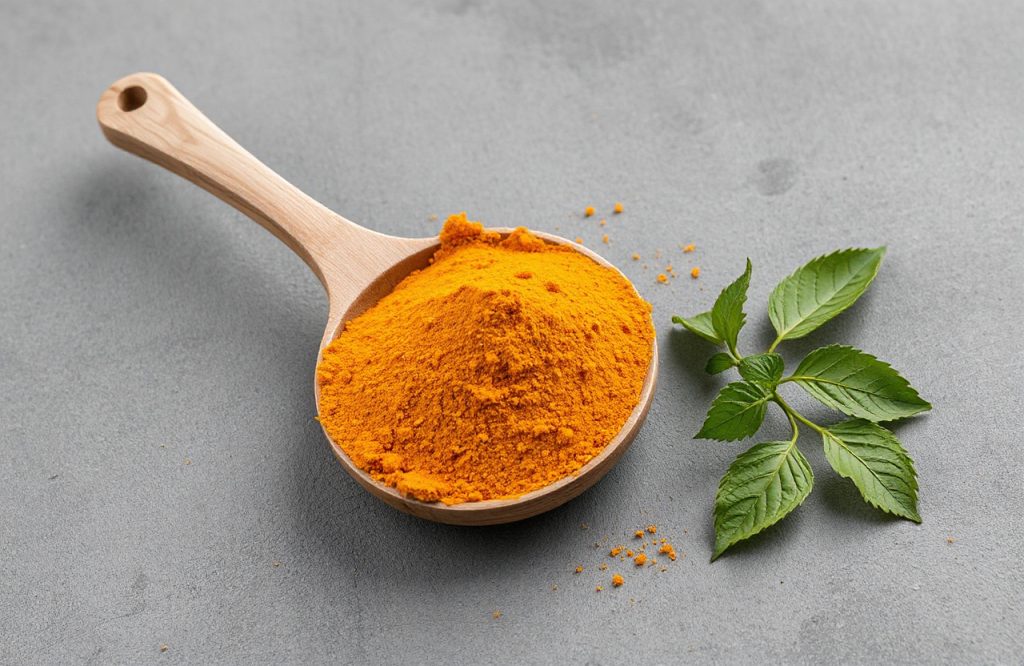
Curcumin, derived from the turmeric plant, is a well-known herb recognized for its anti-inflammatory and antioxidant properties. It has been utilized in traditional medicine and serves as a basis for several modern biomedical treatments. As an herbal supplement, curcumin provides a more concentrated source of active ingredients compared to many food sources, which may not deliver adequate amounts or have low absorption rates.
One of the critical factors in the progression of MS is oxidative stress from free radicals. Curcumin acts as an antioxidant, countering this oxidative damage. Additionally, it helps reduce inflammation by inhibiting various enzymes and factors that trigger immune responses. Beyond its anti-inflammatory effects, curcumin may also decrease cell death, although the mechanisms behind this action are not yet fully understood.
A Need for a Curcumin Delivery System
Despite the potential benefits of curcumin in treating MS, its transformation into an effective medication presents challenges. Curcumin is not readily bioavailable once ingested, is chemically unstable, and poses difficulties in absorption by the body. Future research aims to enhance the understanding of curcumin’s effects and develop systems that can effectively deliver its therapeutic benefits.
References
1. Stadelmann C, Wegner C, Bruck W. Inflammation, demyelination, and degeneration – Recent insights from MS pathology. Biochimica et Biophysica Acta (BBA) – Molecular Basis of Disease. July 15, 2010. https://doi.org/10.1016/j.bbadis.2010.07.007
2. Peng Y, Ao M, Dong B, et al. Anti-inflammatory effects of curcumin in the inflammatory diseases: Status, limitations and countermeasures. Drug Des Devel Ther. 2021;15:4503-4525. Published 2021 Nov 2. doi:10.2147/DDDT.S327378
3. Qureshi M, Al-Suhaimi EA, Wahid F, Shehzad O, Shehzad A. Therapeutic potential of curcumin for multiple sclerosis. Neurol Sci. 2018;39(2):207-214. doi:10.1007/s10072-017-3149-5