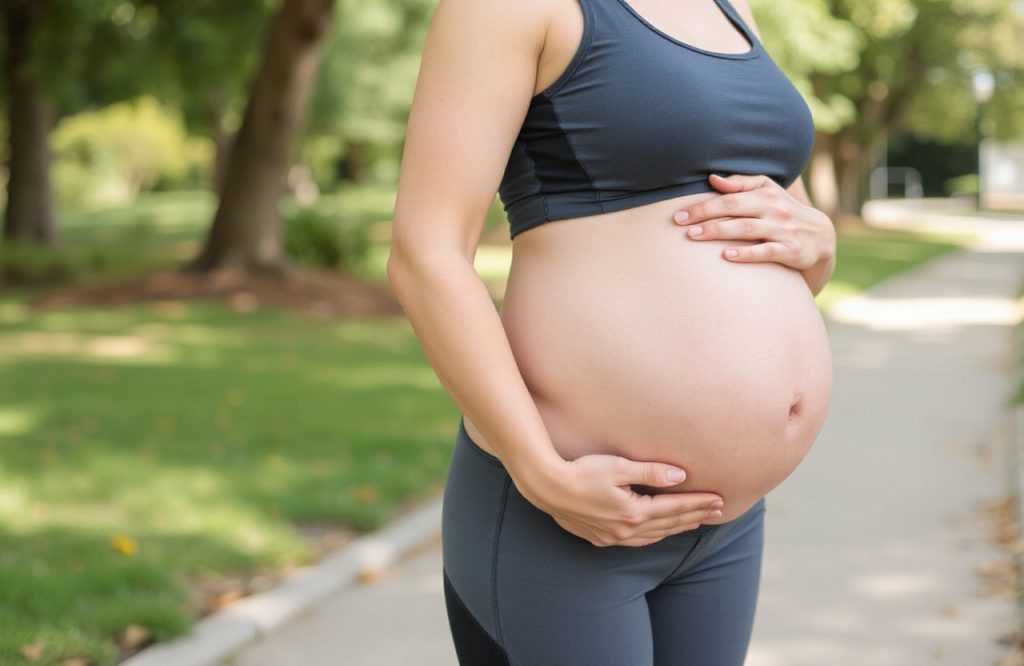
Impact of Supervised Exercise During Pregnancy on Postpartum Health
Study Overview
Researchers conducted a Norwegian study from September 2010 to March 2015 to assess the effects of a supervised exercise program on pregnant women. The primary objective was to evaluate whether physical activity during pregnancy would influence the incidence of diabetes and hypertension both during and after pregnancy.
Research Methodology
The study focused on overweight and obese women, specifically those with a body mass index (BMI) of 28 kg/m² or higher. Participants were randomly assigned into two groups: an exercise program or a control group receiving standard maternal care. The exercise group engaged in weekly supervised sessions that included 35 minutes of moderate walking or running, followed by 25 minutes of resistance training exercises. The control group underwent assessments in early and late pregnancy, and again at three months postpartum.
Measurements and Results
Cardio-metabolic markers such as body composition, blood pressure, blood sugar levels, and physical activity were tracked throughout the study. A metric called Pre and Post-Partum Weight Record (PPWR) was calculated by subtracting early pregnancy weight from postpartum weight. Out of the ninety participants, seventy completed the study.
Results indicated that women in the exercise group experienced a decrease of -0.8 kilograms in PPWR, while the control group saw a decrease of -1.6 kilograms. However, this difference was not statistically significant. Notably, the exercise group exhibited lower insulin concentrations and reduced blood pressure compared to their counterparts in the control group. Importantly, no women in the exercise group were diagnosed with postpartum diabetes, whereas three women in the control group were.
Continued Exercise and Health Outcomes
The findings also revealed that a higher percentage of women in the exercise group (46.4%) continued to engage in regular exercise after pregnancy, compared to 25% in the control group. While the weight loss differences were not statistically significant, the exercise group’s lower insulin levels and blood pressure were noteworthy.
Conclusions and Future Research
The researchers concluded that engaging in exercise during pregnancy can help overweight and obese women manage their insulin levels, lower blood pressure, and potentially reduce the risk of developing diabetes and hypertension postpartum. However, they emphasized the need for further studies to fully understand these effects.
Author Information
This article was written by Dr. MòNique J. Grant Coke, DNP, MPH, BSN, a medical writer.
Related Topics
– Smoking, hypertension, diabetes, and obesity associated with unhealthy brains
– Potential links between gum disease and hypertension
– Hypertension: The Silent Killer
– High Body Mass Index and increased risk of hypertension in children
– Benefits of labor induction in pregnancies with hypertension and preeclampsia
Reference
Garnes, K., Markved, S., Salvesen, K., Salvensen, O., & Moholdt, T. (2018). Exercise training during pregnancy reduces circulating insulin levels in overweight/obese women postpartum: secondary analysis of a randomised controlled trial (the ETIP trial). BMC Pregnancy and Childbirth, 18:18. DOI 10.1186/s12884-017-1653-5