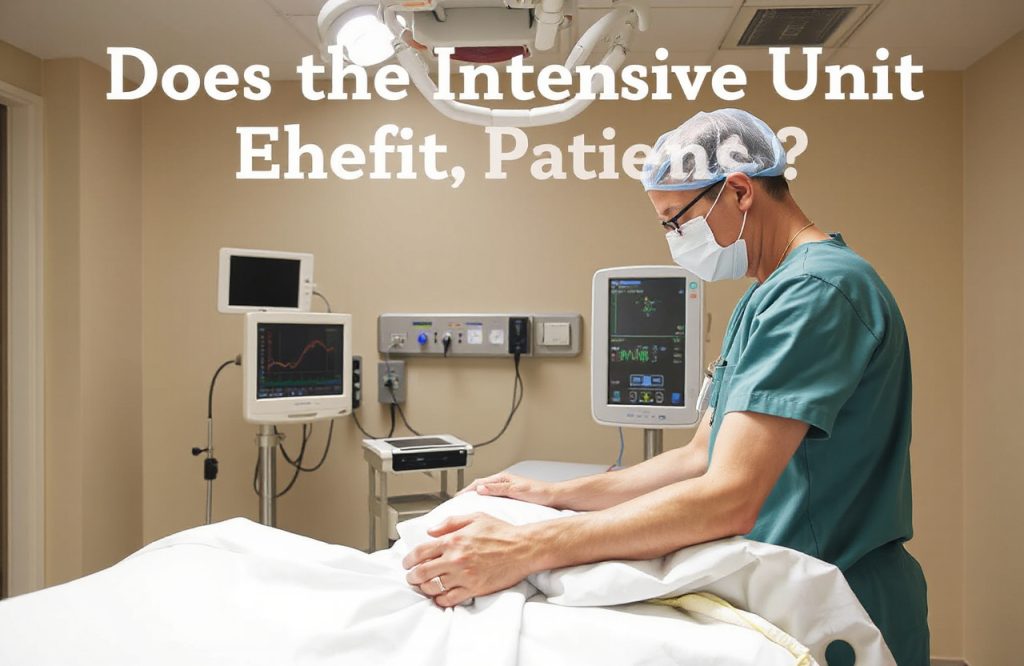
Study Investigates ICU Admissions and Mortality in Elderly Patients
Background on Intensive Care Units
The Intensive Care Unit (ICU) is a specialized section of a hospital dedicated to providing intensive treatment for critically ill adult and geriatric patients. Access to the ICU is restricted to hospital staff, and visiting hours are limited to minimize infection risks for vulnerable patients.
Rising ICU Admissions for Elderly Patients
Recent trends indicate an increase in the number of critically ill patients, particularly among the elderly. This has raised concerns due to the notably high mortality rates observed in critically ill older patients in France, prompting investigations into the effectiveness of ICU admissions for this demographic.
Research Objectives and Methodology
In response to these concerns, researchers in France sought strategies to lower ICU-related mortality rates. Led by Guidet and colleagues, a study was initiated to assess whether a systematic ICU admission approach could reduce mortality in older patients over a six-month period compared to traditional ICU practices.
This comparative study involved the emergency departments of 24 hospitals across France. A total of 3,037 participants, aged 75 and older and cancer-free, were randomly assigned to two groups: one following the systematic ICU protocol and the other adhering to standard ICU practices. Inclusion criteria mandated that participants had a normal functional status, as defined by the Index of Independence in Activities of Daily Living 4. Additionally, individuals exhibiting significant weight loss, muscle atrophy, fatigue, or loss of appetite were excluded.
Participant recruitment took place between January 2012 and April 2015, with follow-up continuing until November 2015. The researchers tracked mortality rates, in-hospital deaths, functional status, and quality of life at the six-month mark.
Study Findings and Implications
The results of this randomized trial ultimately revealed disappointing outcomes. Patients in the systematic admission group experienced a higher risk of in-hospital mortality, with no significant reduction in death rates at the six-month follow-up, despite an increase in ICU admissions. Furthermore, there was little to no improvement in the functional status and quality of life for these patients over the same period.
Although Guidet’s initiative led to greater ICU utilization, it did not contribute to a decrease in mortality among geriatric patients. These findings were published in the Journal of the American Medical Association.
Conclusions and Future Directions
Despite the negative results, the study provides valuable insights. It suggests that systematic ICU admissions are not the answer for enhancing care for elderly patients. The findings serve as a foundation for further research and potential adjustments in management strategies to better understand and improve the ICU admission process for geriatric patients.
Reference
Guidet, B., Leblanc, G., Simon, T., Woimant, M., Quenot, J. P., Ganansia, O., … & Fartoukh, M. (2017). Effect of systematic intensive care unit triage on long-term mortality among critically ill elderly patients in France: a randomized clinical trial. JAMA.