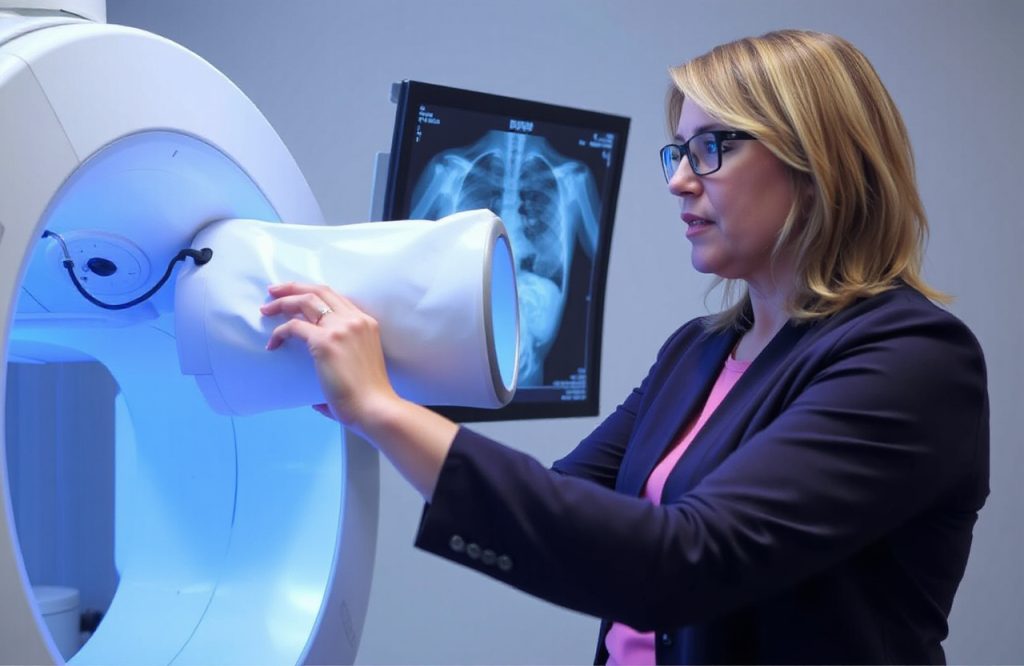
US Study on Mammogram Screening for Women in Their 30s
Introduction to Mammograms
A mammogram is an X-ray image of the breast that plays a crucial role in the early detection of breast cancer. Many countries implement mammogram screening programs aimed at identifying breast cancers in women who may not show any symptoms of the disease. However, determining which demographics will benefit most from these screening tests is essential for medical experts.
Current Recommendations for Mammogram Screening
In the United States, the American Cancer Society recommends that women begin receiving annual mammograms at age 40. Additionally, it suggests that all women of average risk for breast cancer should undergo annual screenings starting at age 45. However, guidelines for younger women remain ambiguous.
Details of the Study
A comprehensive study conducted in the USA explored the potential benefits of mammogram screening for women in their 30s. The findings were presented at the annual meeting of the Radiological Society of North America in Chicago. This research utilized data from the US National Mammography Database, which includes information on approximately 19 million mammograms.
The analysis focused on over 5.7 million screening mammograms involving more than 2.6 million women, collected between January 2008 and December 2015 across 31 states. Researchers assessed screening performance metrics among different age groups and based on specific risk factors for breast cancer, including breast density.
Understanding Risk Factors
The study evaluated risk factors such as personal or family history of breast cancer and breast density. Dense breast tissue, which appears white on a mammogram, consists of milk glands, milk ducts, and supportive tissue, whereas fatty tissue appears black. Women with predominantly dense tissue have a heightened risk of breast cancer and a greater chance that tumors may be missed during mammography due to tissue obstruction.
Evaluation of Screening Performance
The performance of screening mammograms was assessed through various metrics, including cancer detection rates, recall rates (the percentage of patients called back for additional evaluation), and positive predictive values for biopsy (the percentage of cancers detected after a biopsy was recommended).
The study found that women aged 30-34 and 35-39 exhibited comparable cancer detection rates, recall rates, and positive predictive values for biopsy. Notably, cancer detection rates were significantly higher among women with at least one of the evaluated risk factors—dense breasts, family history, or personal history of breast cancer. Women in their 30s with these risk factors demonstrated similar detection and recall rates when compared to women aged 40-44 without any risk factors.
Expert Commentary on Findings
Dr. Cindy Lee, Assistant Professor of Radiology at NYU Langone Health and a lead author of the study, emphasized that women under 40 have not been the primary focus in breast cancer screening discussions. She noted that some young women may be at an increased risk for breast cancer and could benefit from earlier or additional screening.
Dr. Lee further stated, “Women with at least one of these three risk factors may benefit from screening mammography beginning at age 30, instead of 40.”
Conclusion
This study highlights the need for continued evaluation of breast cancer screening guidelines, particularly for younger women at risk. The findings suggest that personalized screening approaches may enhance early detection for those with specific risk factors.
Reference
Press release: New study supports mammography screening at 30 for some women. Radiological Society of North America, 28th November 2018. https://www.eurekalert.org/pub_releases/2018-11/rson-nss111418.php