Research and Safety of Milk Thistle
Overview of Milk Thistle
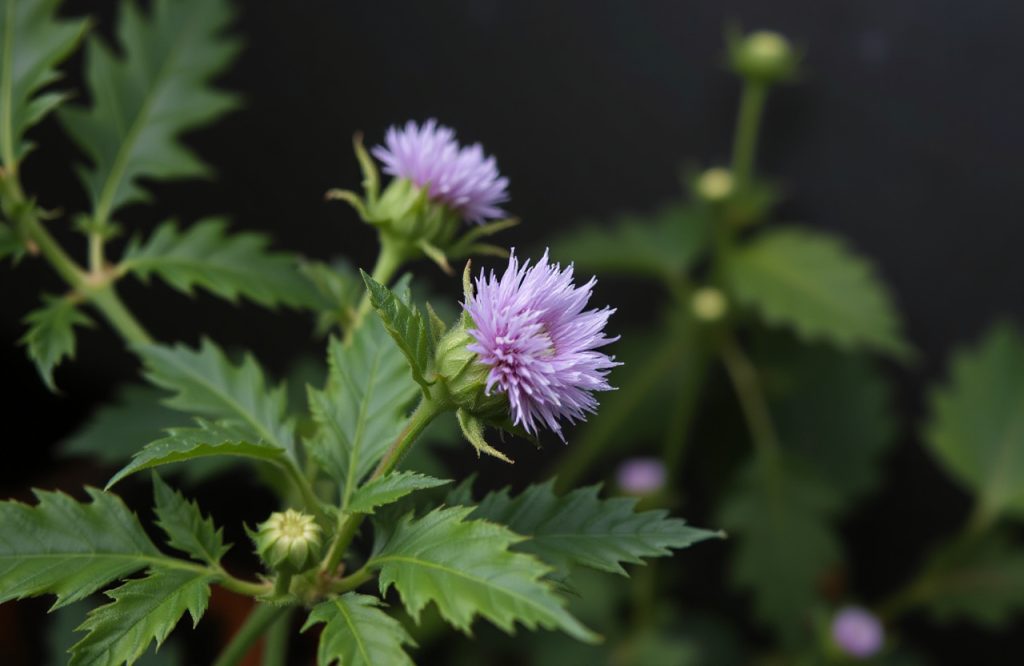
Milk thistle, scientifically known as Silybum marianum, features a distinctive purple flower and glossy marbled leaves. The primary active component found in milk thistle seeds is silymarin, which often leads to the interchangeable use of the terms “milk thistle” and “silymarin.”
Forms of Milk Thistle
As a dietary supplement, milk thistle is available in various forms, including capsules, powders, and extracts. Historically, it has been recognized for its potential benefits to liver health and the treatment of liver-related disorders, such as hepatitis, cirrhosis, and gallbladder issues.
Current Uses and Indications
Today, milk thistle is the most widely used herbal supplement for liver conditions in the United States. Its common applications include addressing fatty liver disease, hepatitis, cirrhosis, and providing protection against environmental toxins.
Effectiveness of Milk Thistle for Liver Health
Clinical Studies and Findings
The effectiveness of milk thistle in treating liver diseases has yielded mixed results. Two notable studies recognized by the National Institute of Health (NIH) did not find substantial benefits from milk thistle for liver-related conditions.
The first study, the Hepatitis C Antiviral Long-Term Treatment Against Cirrhosis (HALT-C) study conducted in 2008, revealed that while patients with hepatitis C who took milk thistle reported fewer and milder symptoms, along with improved self-reported quality of life, there was no significant change in viral activity or liver inflammation.
Another study indicated that higher doses of milk thistle did not outperform a placebo in treating chronic hepatitis C in patients who had not responded to standard antiviral therapies.
Impact of Milk Thistle on Iron Absorption
Potential Benefits and Risks
Research indicates that milk thistle may enhance standard treatments for patients with Cooley’s anemia. However, a review published in 2016 highlighted the potential of milk thistle to induce iron-deficiency anemia. Additionally, previous studies suggested that milk thistle could help reduce iron overload when used in conjunction with desferrioxamine, an iron chelator. The overall impact of milk thistle on anemia remains a topic of debate.
Safety Considerations for Milk Thistle
Tolerability and Side Effects
Clinical trials generally demonstrate that milk thistle is well-tolerated when taken at recommended doses. However, there have been occasional reports of gastrointestinal side effects.
Milk thistle can also lead to allergic reactions, particularly among individuals who are already allergic to plants in the same family, such as ragweed, chrysanthemum, marigold, or daisy.
Impact on Blood Sugar Levels
Certain components in milk thistle may lower blood sugar levels in diabetic patients. Therefore, it is advisable for individuals with diabetes to monitor their blood sugar levels regularly while using this supplement.
References
Gharagozloo M, et al. Immunomodulatory effects of silymarin in patients with β-thalassemia major. Int Immunopharmacol. 2013 Jun;16(2):243-7.
Milk Thistle by the NIH: National Center for Complementary and Integrative Health. Last modified December 1st, 2016.
Moayedi B, et al. A randomized double-blind, placebo-controlled study of therapeutic effects of silymarin in β-thalassemia major patients receiving desferrioxamine. Eur J Haematol. 2013 Mar;90(3):202-9.
Rother, R. Multi-Level-Marketing (MLM) Products, Coral Calcium, and Random Self-Supplementation. Research Library on Cellular Nutrition and Health Disorders. Last modified October 31st, 2016.