Impact of Environment on Mental Health
The Connection Between Air Pollution and Depression
Recent research highlights a significant correlation between air pollution and depression in older adults. Conducted by the Harvard T.H. Chan School of Public Health, the study examined over 8.9 million individuals aged 64 and above, revealing that environmental factors may influence mental health more than previously understood.
Key Findings of the Research
The study identifies three primary pollutants linked to health risks: fine particulate matter, ozone, and nitrogen dioxide. It particularly emphasizes that exposure to nitrogen dioxide poses serious threats to individuals with pre-existing health conditions. Late-life depression often remains unnoticed, impacting a substantial number of older adults.
Understanding the Pollutants
Common Air Pollutants
The researchers focused on three prevalent pollutants affecting health:
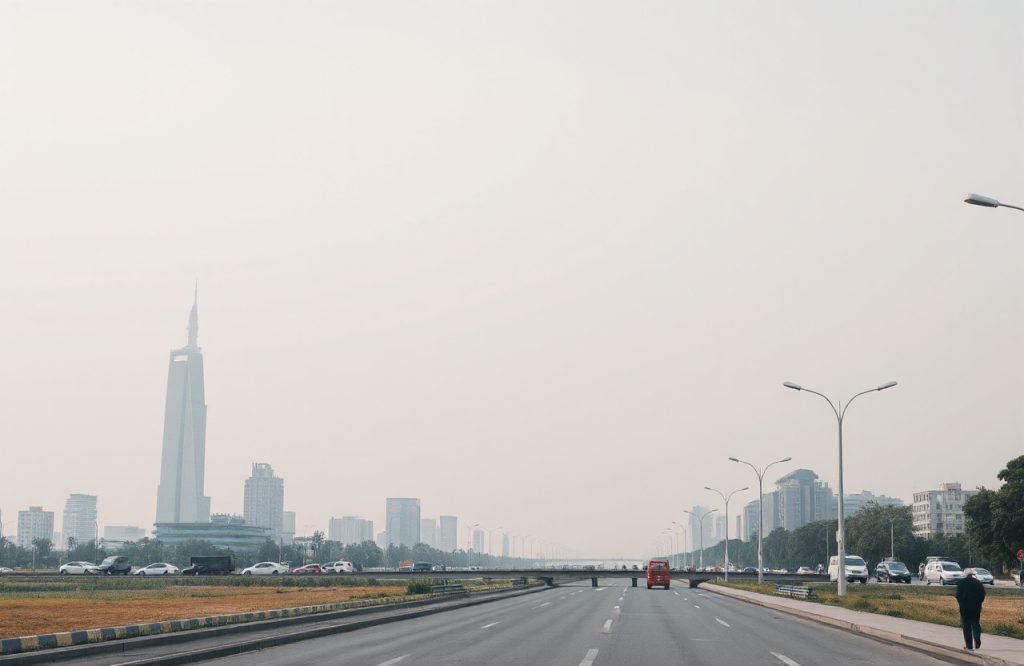
1. **Fine Particulate Matter**: These minute particles contribute to hazy air during high pollution levels.
2. **Ozone**: Commonly known as smog, it originates from sources such as vehicle emissions and industrial smoke.
3. **Nitrogen Dioxide**: This gas results from burning fossil fuels, including coal, oil, and gas.
Research Insights
Link to Depression Diagnoses
The study found associations between depression diagnoses and exposure to air pollution, even at low levels. The implications of these findings stress the need for enhanced environmental regulations and public health strategies. Notably, exposure to nitrogen dioxide was found to be particularly harmful to older adults suffering from cardiovascular, respiratory, metabolic, or neurological diseases.
Late-Onset Depression: A Misunderstood Condition
According to the Centers for Disease Control and Prevention (CDC), late-onset depression frequently goes undiagnosed. Symptoms are often misattributed to aging or other health issues, leading to a lack of appropriate care. Researchers Qiu et al. (2023) urge environmental regulators and public health officials to recognize the role of air pollution in preventing depression among older adults.
Future Directions
The researchers express hope that their findings will motivate further investigation into environmental risk factors affecting geriatric depression. They emphasize the importance of understanding these aspects to improve mental health care services for the elderly.
References
1. Qiu X, Shi L, Kubzansky LD, et al. Association of long-term exposure to air pollution with late-life depression in older adults in the US. JAMA Network Open. 2023 Feb 1;6(2):e2253668. doi:10.1001/jamanetworkopen.2022.53668.
2. Centers for Disease Control and Prevention. Depression is not a normal part of growing older. Published September 14, 2022. https://www.cdc.gov/aging/depression/index.html.