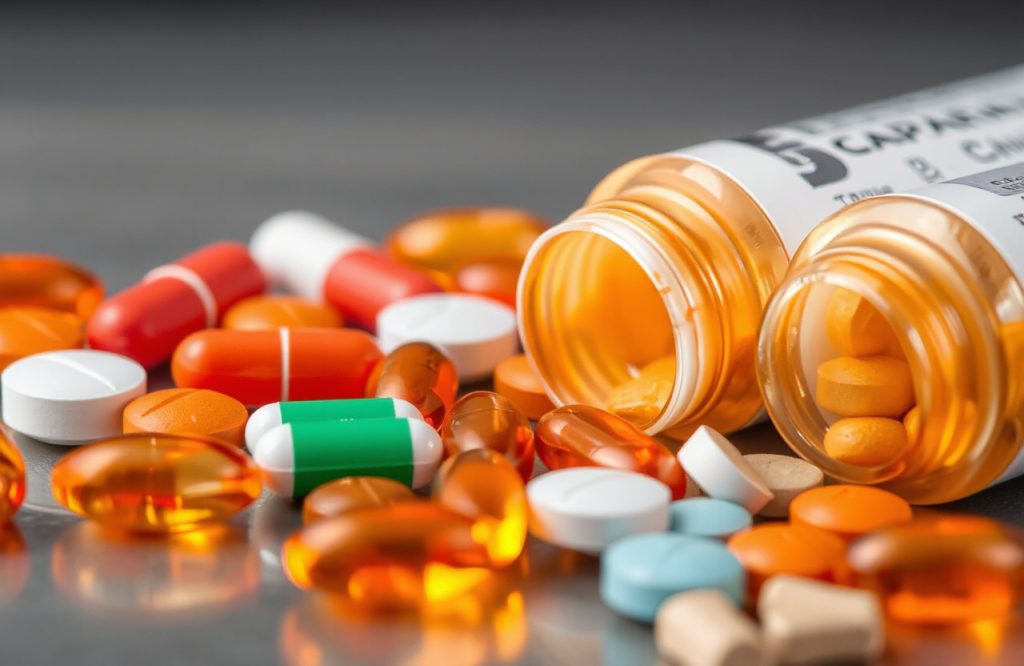
Understanding Antidepressants and Their Impact
Common Antidepressants
Antidepressants rank among the most frequently prescribed medications globally. Some widely used antidepressants include escitalopram (Lexapro), duloxetine (Cymbalta), sertraline (Zoloft), and bupropion (Wellbutrin). Recent research from the University of Queensland in Australia has revealed a concerning side effect of these medications: an increased likelihood of antibiotic resistance.
The Threat of Antibiotic Resistance
Antibiotic resistance has emerged as a significant public health issue in recent years. While antibiotics are essential for treating bacterial infections, their overprescription has diminished their effectiveness. Bacteria possess the ability to replicate and mutate, which allows them to develop defenses against antibiotics. These mutations can lead to enhanced survival, enabling bacteria to evade treatments and proliferate beyond the initial infection site. Consequently, infections may spread and escalate in severity.
How Antidepressants Influence Bacterial Defense
Current studies indicate that antidepressants may induce bacteria to enter a “protection mode,” enhancing their defense mechanisms.
Increased Mutation Rates
Research analyzing mutations associated with antibiotic resistance involved testing eight antibiotics alongside the antidepressant fluoxetine and anaerobic E. coli bacteria. The antibiotics included chloramphenicol, amoxicillin, fluoroquinolone, aminoglycoside, β-lactams, tetracycline, kanamycin, and cephalexin. Findings revealed that when mutant bacteria were exposed to fluoxetine in an aerobic environment, there was a significant increase in mutations and heightened resistance to several antibiotics, including fluoroquinolone, aminoglycoside, β-lactams, tetracycline, and chloramphenicol. The presence of oxygen in the cultures contributed to the formation of reactive oxygen species (ROS), which may play a role in mutagenesis and, consequently, antibiotic resistance.
Efflux Pumps and Antibiotic Removal
Bacteria possess genes that code for efflux pumps, which actively transport metabolites and chemicals out of their cells. Following exposure to antidepressants, the expression of these out-pump genes increased to more than double the normal levels. This suggests that fluoxetine may encourage E. coli to expel absorbed antibiotics, thus enhancing resistance.
Gene Transfer Among Bacteria
Sertraline, another antidepressant, has also been implicated in promoting antibiotic resistance. Researchers observed a rise in the transfer of genetic material between bacteria when sertraline was administered. This gene communication accelerates mutation processes, further contributing to antibiotic resistance.
The Relationship Between Antidepressants and Antibiotic Resistance
Antidepressants may elevate the risk of bacterial mutations and antibiotic resistance under certain conditions. However, there are preventive measures individuals can adopt, such as practicing good hygiene, maintaining a healthy lifestyle, and attending regular medical check-ups. It is important to note that the studies conducted were in controlled environments, whereas real-life situations can differ significantly. More research is necessary to fully understand the relationship between antidepressants and antibiotic resistance. Patients should adhere to their prescribed medication regimen and consult their healthcare provider before making any changes to their antidepressant use.
References
Drew, L. How antidepressants help bacteria resist antibiotics. Nature. (Jan 24 2023). Accessed on Mar 2, 2023. Retrieved from https://www.nature.com/articles/d41586-023-00186-y
Common antidepressants can increase antibiotic resistance. The University of Queensland Australia. (Feb 1 2023). Accessed on Mar 3 2023. Retrieved from https://www.uq.edu.au/news/article/2023/01/common-antidepressants-can-increase-antibiotic-resistance#:~:text=University%20of%20Queensland%20researchers%20have,bacteria’s%20resistance%20to%20antibiotic%20medications
Jin M et al. Antidepressant fluoxetine induces multiple antibiotics resistance in Escherichia coli via ROS-mediated mutagenesis. Environment International. 2018;120:421-430. https://doi.org/10.1016/j.envint.2018.07.046
Maier, L., Pruteanu, M., Kuhn, M. et al. Extensive impact of non-antibiotic drugs on human gut bacteria. Nature 555, 623–628 (2018). https://doi.org/10.1038/nature25979