Link Between Phloridzin and Type 2 Diabetes Risk
Understanding Type 2 Diabetes
Type 2 diabetes is a chronic condition marked by the body’s resistance to insulin and elevated blood sugar levels. Effective management of this disease involves adhering to a nutritious diet rich in fruits and vegetables, alongside regular physical activity.
Role of Phloridzin in Diet
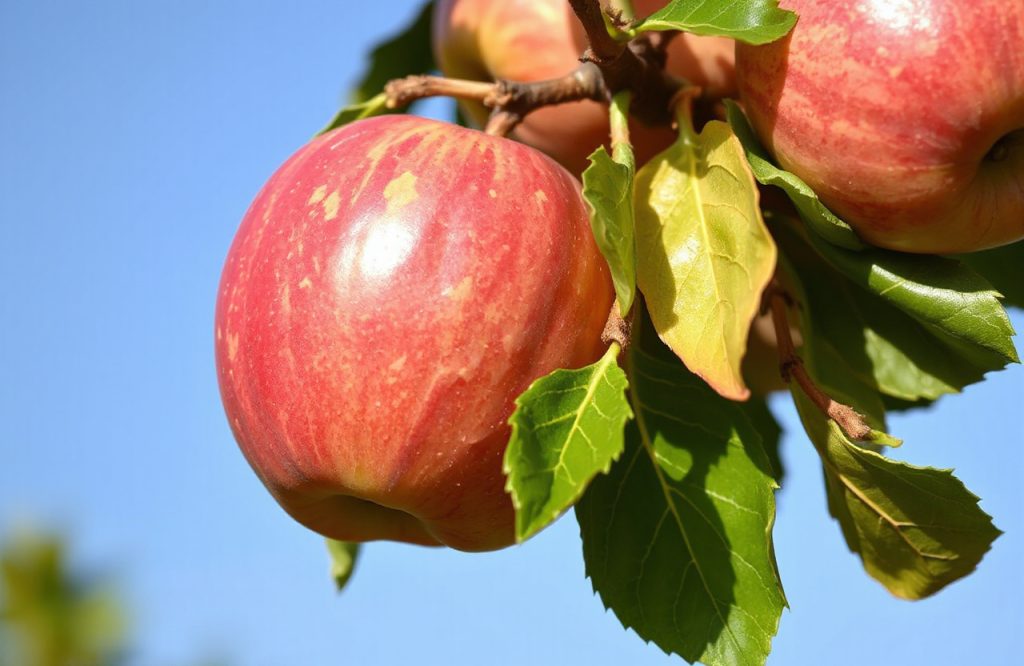
Recent research highlights a potential connection between apple consumption and a reduced risk of developing type 2 diabetes. Apples are known to contain phloridzin, a polyphenol found in the skin of the fruit and the bark of apple trees. Studies indicate that phloridzin may inhibit glucose transporters in the kidneys and intestines, resulting in decreased sugar absorption.
Comprehensive Analysis of Phloridzin Consumption
A recent study conducted by European researchers performed an extensive review of previous scientific investigations to explore the relationship between phloridzin content in various foods and dietary intake. This analysis encompassed five cohort studies involving over 220,000 participants, with approximately 14,000 cases of type 2 diabetes.
The researchers identified foods that naturally contain phloridzin, determining the concentrations of this polyphenol in each item. They gathered data on food consumption from publicly accessible databases across European nations. By correlating phloridzin concentrations with consumption statistics, the researchers calculated the intake of naturally occurring phloridzin among participants.
Key Findings on Phloridzin Sources
The study revealed that Mexican oregano possesses the highest concentrations of naturally occurring phloridzin. However, the majority of phloridzin intake among participants derived from apples and apple juice, with apple juice accounting for the largest contribution across all demographic groups.
Phloridzin Intake Among Age Groups
The risk of developing type 2 diabetes escalates with age, particularly for individuals over 45. Notably, the study found that older adults had a lower intake of phloridzin compared to younger populations.
Implications for Diabetes Prevention
The findings suggest that consuming foods rich in naturally occurring phloridzin may help mitigate the risk of type 2 diabetes. The study proposes that dietary intake of phloridzin could enhance the management of blood sugar levels. However, further research is essential to clarify the benefits of increasing phloridzin-rich food intake and its potential role in reducing the risk of type 2 diabetes.
Author and Reference Information
Written by Ranjani Sabarinathan, MSc.
Relevant topics that may interest you include:
– Are zinc supplements for diabetes beneficial?
– Top Seven Type 2 Diabetes Medications
– Pomegranate Seed Oil to Treat Metabolic Syndrome, Inflammation, and Diabetes
– Diet soda and pregnancy – is it safe?
– Can Fitbit Help with Diabetes?
– Wild Blueberry Juice Reduced the Risk of Stroke in Type 2 Diabetic Patients
References:
Niederberger, K., Tennant, D., & Bellion, P. (n.d.). Dietary intake of phloridzin from natural occurrence in foods. British Journal of Nutrition, 1-24. doi: 10.1017/S0007114520000033
For more information on type 2 diabetes, visit https://www.diabetes.ca/recently-diagnosed/type-2-toolkit.
Image by S. Hermann & F. Richter from Pixabay.