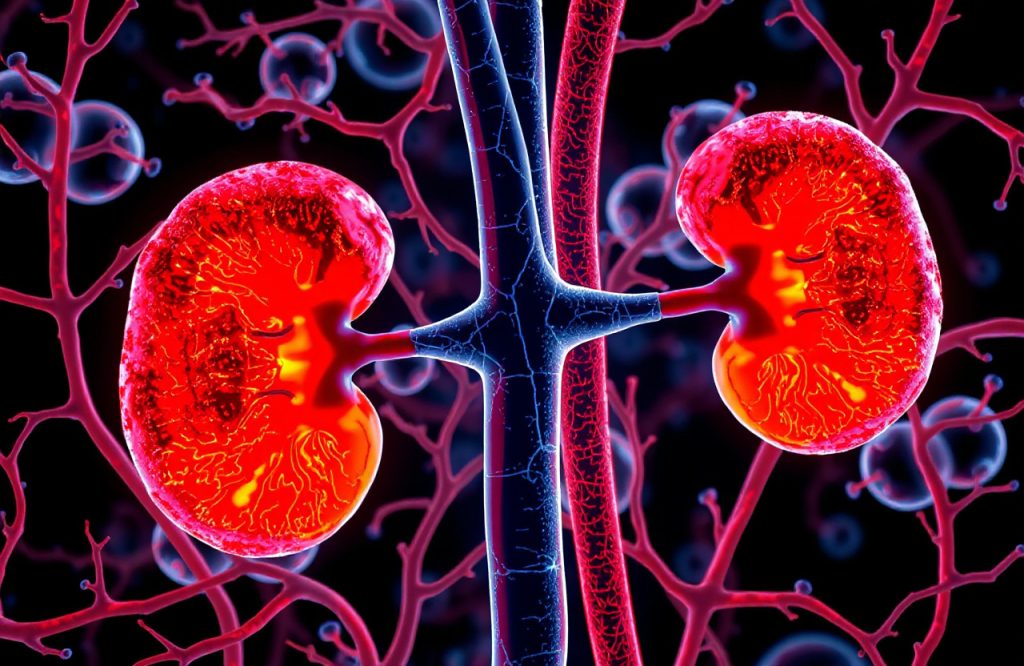
Association Between Chronic Kidney Disease and Gut Microbiota Dysbiosis
Understanding Gut Microbiota
Recent research has highlighted a connection between chronic kidney disease (CKD) and dysbiosis of gut microbiota. The human body hosts trillions of microorganisms across various systems, including the skin, gastrointestinal tract, respiratory system, urogenital tract, and oral cavity. Within the gastrointestinal tract alone, microorganisms are estimated to outnumber human cells by a factor of ten, with numbers exceeding 100 trillion.
The composition of gut microbiota is intricate and can change over time due to various factors, including diet, medications, host genetics, health status, age, lifestyle, environment, and early infancy colonization. This microbiota maintains a symbiotic relationship with the host, aiding in energy extraction, metabolite production, intestinal epithelium preservation, pathogen protection, and immune regulation. However, certain conditions can disrupt this balance, leading to dysbiosis, which is linked to the development of several inflammatory and infectious diseases.
Chronic Kidney Disease and Intestinal Epithelium Damage
Chronic kidney disease is characterized by a progressive decline in kidney function, resulting in the accumulation of toxins such as urea and creatinine in the bloodstream, a condition known as uremia. Evidence suggests that CKD may lead to intestinal epithelium damage, as indicated by the presence of endotoxins and intestinal bacterial DNA in the blood. Damage to the intestinal mucosa allows microbial components to enter the bloodstream, while inflammation triggered by this damage further exacerbates the condition.
Effects of CKD on Gut Microbiota
Numerous studies show that CKD is associated with changes in gut microbiota composition. Specifically, there is an increase in bacteria from the phyla Proteobacteria, Firmicutes, and Actinobacteria among CKD patients. Of the 19 bacterial families identified in these patients, 12 are associated with urea production, five with uricase production, and three with enzymes involved in indole and p-cresol synthesis. Conversely, families that produce butyrate-synthesizing enzymes are reduced in CKD patients.
Reduced renal function hinders the elimination of these compounds, resulting in their accumulation in the bloodstream and gastrointestinal tract. Urea, converted to ammonia by urease-producing bacteria, raises intestinal pH, leading to mucosal irritation and inhibiting the growth of beneficial bacteria, thereby contributing to dysbiosis. Butyrate serves as a vital nutrient for colonocytes and possesses anti-inflammatory properties, which may play a role in preventing colorectal cancer.
Dysbiosis and Uremic Toxins in CKD
As CKD progresses, there is a gradual increase in uremic toxins—substances that should typically be excreted in urine. This accumulation is linked to inflammation, cardiovascular disease, and heightened mortality rates. When the integrity of the gut epithelium is compromised, bacterial components like lipopolysaccharide can leak into the bloodstream, fostering systemic inflammation. This inflammation is a key factor in the progression of CKD, creating a detrimental loop between kidney health and gut alterations. Furthermore, the loss of short-chain fatty acids, particularly from butyrate-producing bacteria, is associated with microinflammation and deteriorating renal function.
Dietary Modifications to Improve Gut Health in CKD
Given the impact of gut dysbiosis on kidney function, dietary changes may offer a therapeutic avenue. Adjusting the carbohydrate-to-protein ratio and incorporating prebiotics, probiotics, and synbiotics are strategies under consideration. Reducing protein intake is commonly recommended to manage uremia and slow disease progression. The interplay between protein and dietary fiber is crucial; a balance can help decrease the production of harmful compounds like p-cresol sulfate and indole sulfate.
While the effects of probiotics have shown mixed results, synbiotics—combinations of probiotics and prebiotics—show promise. One study indicated a reduction in p-cresol sulfate and an increase in Bifidobacterium levels, a beneficial bacterial genus. However, further research is necessary to understand synbiotic supplementation in contexts of intestinal permeability. The review emphasizes the importance of a nutritious diet rich in whole grains, fruits, and vegetables for patients with chronic kidney disease.
Conclusion
In summary, the intricate relationship between chronic kidney disease and gut microbiota dysbiosis illustrates the need for further exploration into dietary interventions that can support renal health.
Written by Usha B. Nair, Ph.D.
Reference: de Andrade LS, Ramos CI, and Cuppari L. The cross-talk between the kidney and the gut: implications for chronic kidney disease. Nutrire 2017, 42:27. doi: 10.1186/s41110-017-0054-x.