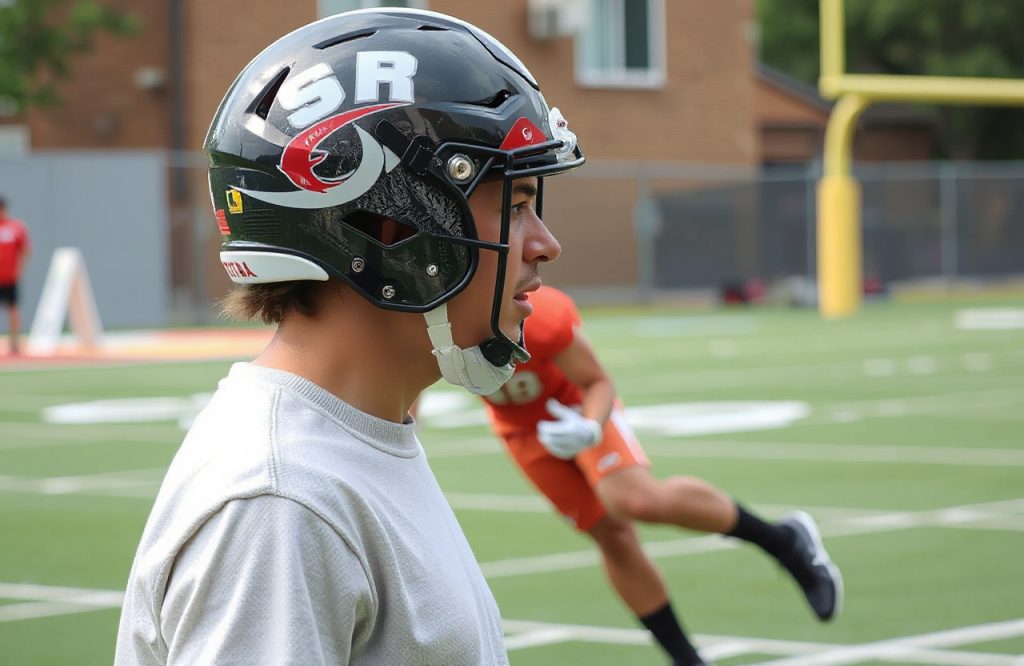
Study Examines Links Between Youth Contact Sports and Neurological Symptoms
Overview of the Research
A recent study has explored the potential connections between participation in youth contact sports and the emergence of neurological symptoms in early adulthood. Previous research has indicated a correlation between sport-related concussions and an elevated risk of neurological issues later in life among former professional contact athletes. This has raised significant concerns regarding the safety of contact sports for high school and youth athletes.
Research Focus on Adolescents
While professional athletes have been the subject of extensive studies, there has been limited research focusing on the long-term neurological risks associated with participation in contact sports during adolescence. Researchers from the University of Colorado, USA, aimed to determine whether youth contact sports participation is linked to neurological symptoms in early adulthood. Their findings were published in the Orthopaedic Journal of Sports Medicine.
Data Source and Methodology
The researchers utilized data from the National Longitudinal Study of Adolescent to Adult Health (Add Health), which investigates how social and environmental factors affect health outcomes. From 1994 to 2008, Add Health followed over 20,000 adolescents from diverse high schools, conducting four waves of assessments from ages 16 to 29. This current study focused on nearly 11,000 participants, categorizing them into three groups based on their intention to engage in sports: no sports, noncontact sports only, and contact sports. Statistical models analyzed questionnaire and assessment data related to word recall, number recall, depression-related symptoms, and suicidal thoughts.
Findings on Neurological Symptoms
The study results indicated that the intention to participate in contact sports did not correlate with an increased risk of cognitive impairment symptoms, depression, or suicidal thoughts in early adulthood when compared to the noncontact sports or no sports groups. Interestingly, those intending to play American Football exhibited a lower risk of depression in early adulthood compared to the noncontact sports group, although the underlying reasons for this finding remain unclear.
Comments from Researchers
Lead author Dr. Adam Bohr stated, “We were unable to find any meaningful difference between individuals who participated in contact sports and those who participated in noncontact sports.” The study challenged the notion that youth contact sports are associated with negative cognitive and mental health outcomes. Senior author Dr. Matthew McQueen acknowledged that while some NFL players have experienced severe neurological decline, this does not imply that high school football participation would yield similar results. He emphasized, “In fact, we and others have found there may be some benefit to playing youth sports.”
Conclusion and Future Research
The study’s findings contribute valuable insights into the ongoing debate surrounding youth contact sports and their potential impacts on mental health and cognitive function. The researchers advocate for further investigations to expand understanding of this critical issue.
References
Bohr AD, Boardman JD, McQueen MB. Association of adolescent sport participation with cognition and depressive symptoms in early adulthood. Orthopaedic Journal of Sports Medicine September 26, 2019. University of Colorado at Boulder, Press release 21 Oct 2019. “No link found between youth contact sports and cognitive, mental health problems.” https://www.eurekalert.org/pub_releases/2019-10/uoca-nlf101819.php
Image by Simona Robová from Pixabay