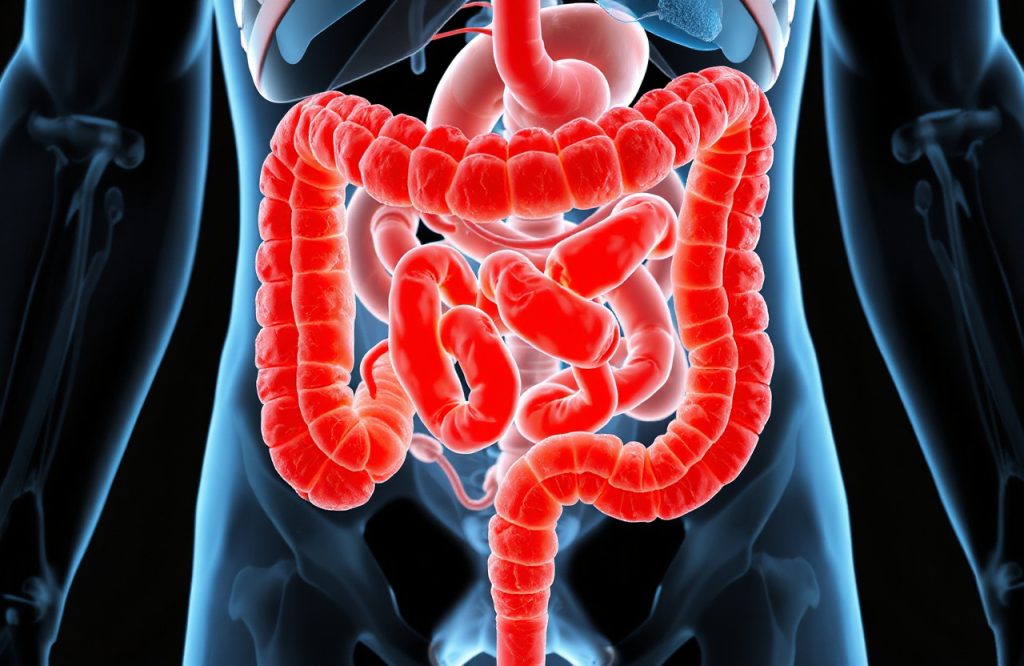
Research Links Crohn’s Disease to Fatty Intestinal Tissue
Study Overview
Recent research conducted by scientists at the University of Limerick, in collaboration with University Hospital Limerick, has examined the relationship between Crohn’s disease and the fatty tissue surrounding the intestine. Crohn’s disease is a chronic inflammatory bowel disorder that can affect various sections of the digestive tract. While multiple factors contribute to the onset of Crohn’s, its precise cause remains elusive.
Key Findings
The findings of this study, published in the journal Scientific Reports, indicate that Crohn’s disease may be associated with fatty tissue in the intestine. The research involved assessing the body composition of 30 patients, consisting of 13 males and 17 females aged between 20 and 73 years. These individuals were recruited from patient records at the University of Limerick Hospital and were evaluated using dual-energy X-ray absorptiometry (DEXA), which measures fat, lean body mass, and bone density. Participants were categorized based on their disease status—either in remission or experiencing a relapse.
Body Composition Analysis
Dietary records were collected, and physical activity levels were monitored throughout the study. The results revealed that, regardless of their disease status, participants with Crohn’s disease exhibited a distinct pattern of fat accumulation compared to a large, representative sample of healthy individuals. Specifically, those with Crohn’s disease demonstrated increased gynoid fat, located around the hips and thighs, and decreased android fat, which is found around the waist.
Comparison with General Population
No significant differences were observed between participants experiencing relapse or remission. However, notable disparities in regional fat distribution were identified between Crohn’s patients and the general population. Individuals with Crohn’s disease showed a tendency to accumulate fat in the hips and upper thighs rather than the abdominal area. This suggests a potential connection between regional fat distribution and the classification of Crohn’s disease as a non-alcoholic fatty intestine condition.
Complex Body Composition
The researchers emphasized that the body composition of Crohn’s patients is complex and influenced by various factors. The study found a correlation between the duration and stage of the disease, increased adiposity, and the effects of medications used for treatment, which are known to impact body composition and contribute to fat mass gain.
Future Research Directions
Although the study’s cohort was relatively small, the researchers propose that the identified association between Crohn’s disease and fatty intestinal tissue presents a new opportunity for further exploration of the disease. They advocate for larger-scale studies to validate these findings.
Reference
Dowling, L., Jakeman, P., Norton, C., et al. (2021). Adults with Crohn’s disease exhibit elevated gynoid fat and reduced android fat irrespective of disease relapse or remission. Sci Rep 11, 19258. https://doi.org/10.1038/s41598-021-98798-9
Related Topics
– Crohn’s Disease
– Treatment for Crohn’s Disease
– Discovery of Promising Crohn’s Disease Treatment
– The Role of Macrophages in the Treatment of Crohn’s Disease
– Is Early Combined Immunosuppression Safe for Older Patients with Crohn’s Disease?