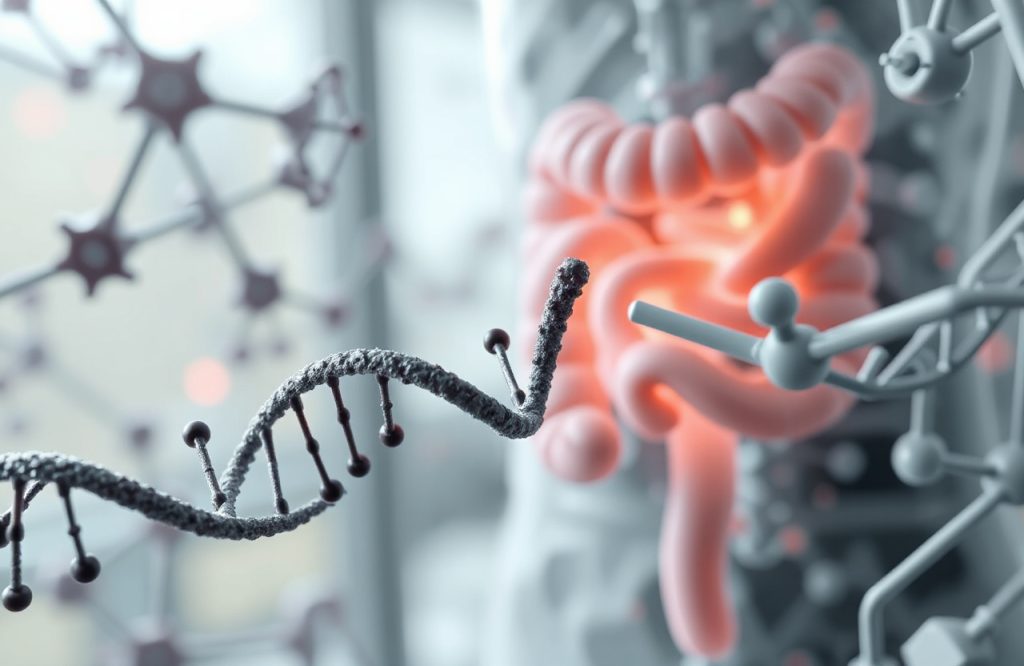
Link Between Gut Microbiome and Genetic Risk for Autoimmunity
Understanding Type 1 Diabetes Mellitus
Type 1 diabetes mellitus is an autoimmune disorder primarily affecting children and adolescents. Its onset is influenced by a combination of genetic and environmental factors.
Research Overview
A collaborative study conducted by researchers from Linkoping University in Sweden and the University of Florida assessed the gut microbiome of children with varying genetic risks for autoimmunity. The findings were published in the scientific journal Nature Communications.
Study Background
The research utilized a subset of data from the All Babies in Southeast Sweden (ABIS) study, which monitored 17,055 babies born between 1997 and 1999. Participants were followed from birth through various stages of childhood (ages 1, 2-3, and 5-6 years). Biological samples, including stool samples, were collected alongside parental questionnaires. Some children also had data regarding their human leukocyte antigen (HLA) genes, which are vital for immune system function.
Key Findings
The study revealed significant differences in the gut microbiome of children with low, neutral, or high genetic risks for autoimmunity. Notably, children at high genetic risk exhibited distinct gut microflora compared to those with low risk. Certain specific organisms were consistently observed in high-risk children, but were absent in those with low or no risk.
Microbiome Variations
Gut microflora characteristics varied by genetic risk group. In high-risk children, associations were found with the bacteria families Saccharimonadaceae and Erysipelotrichaceae. Conversely, those at neutral risk showed a connection with two genera from the Peptostreptococcaceae family, namely Intestinibacter and Romboutsia. Researchers propose that specific microbial species may offer protective benefits against developing autoimmune diseases.
Future Research Directions
Further studies are necessary to explore the relationship between gut flora and genetic risk for autoimmunity comprehensively. Researchers aim to determine if these microorganisms could be instrumental in preventing the onset of autoimmune diseases. However, it is crucial to note that these potentially protective species may not thrive in children with a high genetic risk, warranting further investigation.
Broader Implications
The implications of this study extend beyond type 1 diabetes, as the findings may also contribute to understanding other autoimmune conditions such as celiac disease and rheumatoid arthritis.
References
Russell, J., Roesch, L., Ördberg, M., Ilonen, J., Atkinson, M., Schatz, D., Triplett, E. and Ludvigsson, J. (2019). Genetic risk for autoimmunity is associated with distinct changes in the human gut microbiome. Nature Communications, 10(1).
EurekAlert!. (2019). Genetic risk is associated with differences in gut microbiome. [online] Available at: https://www.eurekalert.org/pub_releases/2019-08/lu-gri081919.php [Accessed 21 Aug. 2019].
Image by Arek Socha from Pixabay.