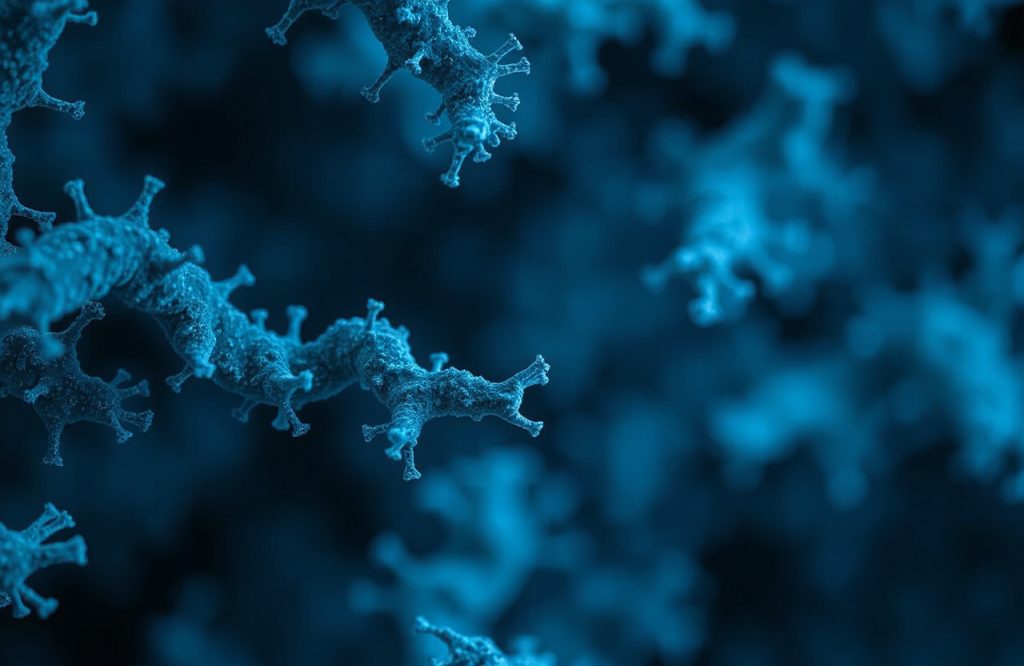
New Study Reveals Sleep’s Impact on the Gut Microbiome
Understanding the Brain-Gut-Microbiome Axis
Recent research has highlighted a significant connection between sleep and the human gut microbiome. The gut microbiome plays a crucial role in both physical and mental health, particularly through the brain-gut-microbiome axis (BGMA). Disruptions in this axis have been linked to various health issues, including gastrointestinal disorders, anxiety, depression, and cognitive decline. Previous studies have indicated that bacteria influence neurological, hormonal, and immune responses, making it essential to explore how the gut microbiome and BGMA affect overall health, particularly in relation to sleep quality.
The Role of Sleep in Immune Function
While sleep has been closely associated with immune system function, its specific impact on BGMA has not been extensively studied. Quality sleep is known to affect cognitive and behavioral functioning. Key molecules, such as interleukin-6 (IL-6), have emerged in this research area, as poor sleep has been correlated with elevated levels of IL-6.
Research Methodology
A study published in PLOS ONE aimed to further investigate the connection between sleep and the gut microbiome. Researchers from the United States analyzed the gut microbiome of 26 participants alongside their sleep patterns. Participants wore an Actiwatch to track various sleep metrics, including average bedtime, average wake time, total sleep time, and sleep efficiency. Additionally, saliva and fecal swab samples were collected to measure gut microbiome composition and biomarkers such as IL-6.
Key Findings
The study found that sleep efficiency and total sleep time were positively correlated with microbiome diversity and richness. Conversely, increased awakenings during the night were negatively associated with microbiome diversity, suggesting that a diverse gut microbiome contributes to better sleep quality. Furthermore, a clear relationship was observed between IL-6 levels, gut microbiome diversity, and sleep patterns, showing positive correlations between IL-6, time in bed, and total sleep time.
Future Research Directions
Although the researchers established a clear association between sleep and the gut microbiome, the underlying mechanisms and specific molecules involved remain unclear. It is important to note that the current study’s findings are limited to male participants, but the researchers anticipate similar results in females. This research may pave the way for discovering mechanisms to improve sleep through modifications to the gut microbiome.
Reference
Smith, R. P., Easson, C., Lyle, S. M., Kapoor, R., Donnelly, C. P., Davidson, E. J., … Tartar, J. L. (2019). Gut microbiome diversity is associated with sleep physiology in humans. PLOS ONE, 14(10). doi: 10.1371/journal.pone.0222394
Image Credit
Image by 溢 徐 from Pixabay