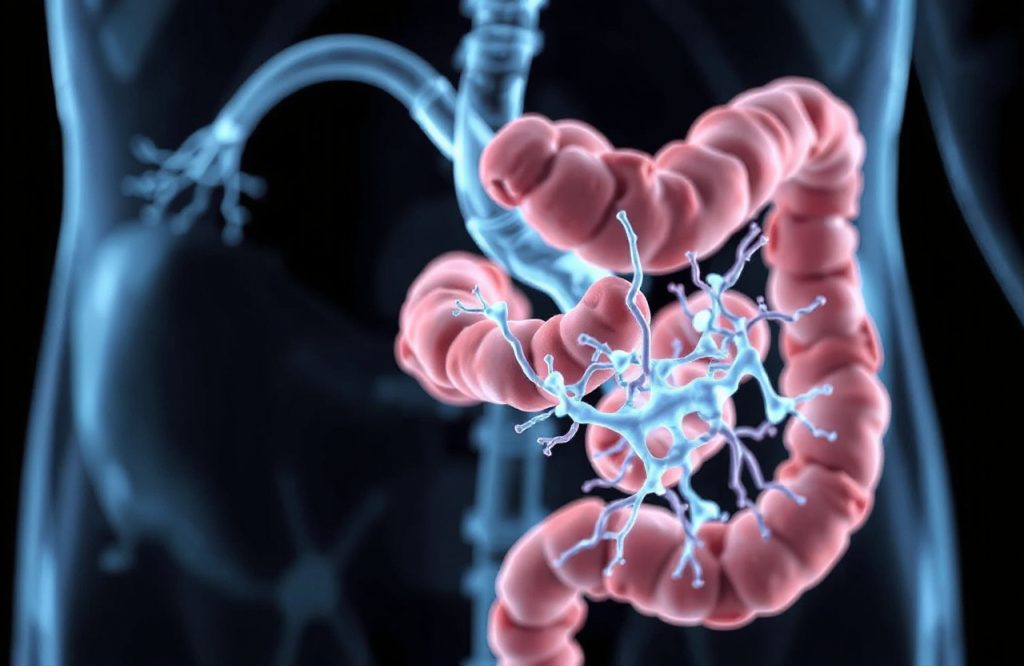
Impact of Gut Bacteria on Drug Efficacy
Understanding Gut Flora
The human intestines host approximately 35,000 species of bacteria that significantly contribute to immune system regulation, digestion, and metabolism. For over five decades, researchers have acknowledged the influence of gut flora on our body’s response to pharmacological treatments. Recent years, however, have provided deeper insights into the mechanisms behind this influence.
The TIMER Framework
The TIMER framework outlines five critical ways gut bacteria can affect pharmacological interventions: translocation, immunomodulation, metabolism, enzymatic modulation, and reduced diversity of microflora components. A recent study published in *Clinical and Translational Science* applies this framework to assess the influence of gut microbiota on therapies for three pediatric conditions: inflammatory bowel disease (IBD), juvenile idiopathic arthritis (JIA), and acute lymphoblastic leukaemia (ALL).
Influence of Gut Bacteria on Specific Conditions
Inflammatory Bowel Disease (IBD)
IBD treatment often involves immunomodulators, including glucocorticoids and monoclonal antibodies such as infliximab, aimed at reducing gastrointestinal inflammation. These medications show considerable variability in patient responses, complicating the establishment of treatment guidelines and exposing patients to varying side-effect risks. Notably, IBD patients tend to exhibit lower gut biodiversity compared to healthy individuals, raising questions about whether this is a cause or an effect of the disease.
The review indicates a significant correlation between gut microbiota and therapeutic success, with increased biodiversity linked to improved treatment responses across several studies. Despite this association, it remains uncertain whether biodiversity is a cause or a consequence of therapeutic effectiveness. Additionally, the metabolism of drugs like sulfasalazine and mercaptopurine is influenced by gut bacteria, underscoring the impact of bacterial diversity on IBD treatment, though the extent of this influence beyond these drug classes is not fully understood.
Acute Lymphoblastic Leukaemia (ALL)
While the connection between gut bacteria and gastrointestinal disorders like IBD is evident, the relationship becomes less direct in the context of ALL, a blood cancer. The review found strong evidence indicating that ALL affects gut bacterial diversity, while treatment for ALL also alters gut microbiota, with species levels varying throughout different treatment phases. The complexity of ALL treatment, which often involves multiple concurrent medications, makes it challenging to isolate the effects of gut bacteria on therapeutic outcomes. Most primary drug therapies exhibited varying metabolism when exposed to different gut bacterial species, highlighting significant interpersonal variation.
Juvenile Idiopathic Arthritis (JIA)
Research has linked gut flora to the development and prevalence of JIA. Notably, delivery by caesarean section, which bypasses the natural initiation of gut bacterial development associated with vaginal delivery, has been connected to a heightened risk of immune system disorders. Similarly, early antibiotic use has shown a correlation with disease development, suggesting a role for gut bacteria in JIA. Although the authors found some evidence supporting gut bacteria as potential biomarkers in JIA, substantial evidence regarding their influence on therapeutic agents is lacking.
Conclusion and Future Directions
This study underscores the increasing acknowledgment of gut micro-diversity’s role in various health outcomes. There is mounting evidence linking a healthy microbiome to enhanced digestive health, as well as its involvement in autoimmune and mental health disorders.
Furthermore, the review highlights numerous unexplored areas within this field. While it identifies potential links between gut bacteria and pharmacological therapies, it also reveals that the evidence is not yet robust. Researchers face challenges in designing studies due to the vast diversity of bacterial species in the human gastrointestinal tract.
Current evidence suggests that gut bacteria significantly influence drug metabolism, which may explain discrepancies in treatment responses among individuals. However, the interaction is bidirectional, as therapeutic interventions also affect gut bacteria levels. Continued research is essential to unravel this complex and intriguing relationship.
Written by Michael McCarthy
Reference:
1. Lucafò M, Franzin M, Lagatolla C, Franca R, Bramuzzo M, Stocco G, et al. Emerging Insights on the Interaction Between Anticancer and Immunosuppressant Drugs and Intestinal Microbiota in Pediatric Patients. Clin Transl Sci. n/a(n/a).
Image by Arek Socha from Pixabay