Understanding Osteoarthritis and Its Impact
Overview of Osteoarthritis
Osteoarthritis (OA) is a degenerative joint disorder that affects a significant number of adults. Approximately 22% of all adults and 49% of individuals over the age of 65 have at least one joint impacted by this condition. OA is characterized by the gradual degradation of cartilage and bone, abnormal bone formation, systemic and localized inflammation, accompanied by considerable pain.
Risk Factors for Osteoarthritis
One of the well-recognized risk factors for OA is obesity. Excess weight increases mechanical loads on weight-bearing joints, heightening the risk of OA. Interestingly, obese individuals also face a higher risk of developing OA in non-weight-bearing joints. Researchers suggest that this increased risk in obese individuals may not solely result from mechanical load but could be influenced by obesity-related changes in gut microbiome and inflammation.
Research Insights into Gut Microbiome and Osteoarthritis
Study Overview
A recent study published in *Nature Communications* explored the potential link between the gut microbiome, knee OA severity and pain, and obesity. The researchers collected stool samples from 1,427 participants in the Rotterdam Study (RSIII) to analyze the gut microbiome. Among these participants, 124 were found to have radiographic knee OA, and 285 reported knee OA pain.
Key Findings
The study revealed a correlation between the abundance of Streptococcus and knee pain severity, independent of factors such as smoking, alcohol consumption, and obesity. Specifically, a higher abundance of Streptococcus was associated with increased pain severity. Notably, the researchers confirmed that these associations were not influenced by oral medications that might alter the gut microbiome.
Validation in an Independent Cohort
To reinforce their findings, the researchers examined an independent Dutch cohort comprising 867 participants, with 197 experiencing OA-related knee pain. Consistent with the initial study, they found that the abundance of Streptococcus was linked to knee pain severity. Additionally, they analyzed knee MRI data from a subset of the Rotterdam Study participants to assess inflammation. The results indicated that pain scores and Streptococcus abundance were associated with knee inflammation.
Implications and Future Research
These findings suggest that the relationship between Streptococcus and knee pain severity may be partly mediated by local knee inflammation. Further studies are needed to establish the causality of this association. Nevertheless, the current research indicates that alterations in the gut microbiome and inflammation might play a role in osteoarthritis pain.
References
Boer, C. G., Radjabzadeh, D., Medina-Gomez, C., Garmaeva, S., Schiphof, D., Arp, P., … & Bierma-Zeinstra, S. (2019). Intestinal microbiome composition and its relation to joint pain and inflammation. *Nature Communications*, 10(1), 1-9.
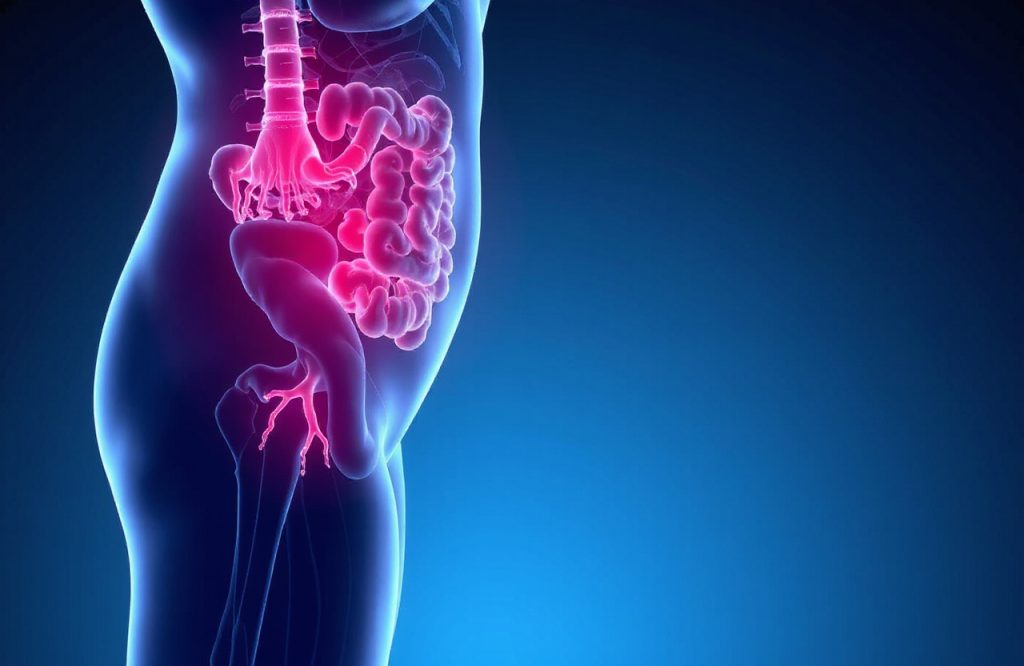
Image by Dr. Manuel González Reyes from Pixabay.