Study Links Inflammatory Bowel Disease to Prostate Cancer Risk
Overview of the Research
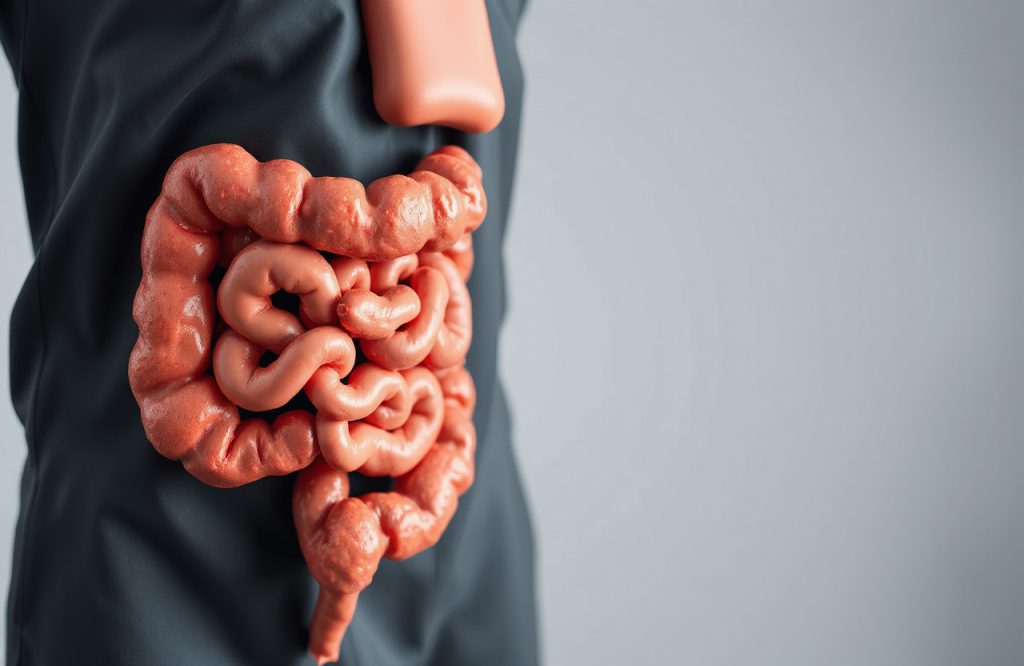
A recent study published in European Urology has detailed the findings of a comprehensive 20-year examination regarding how inflammatory bowel disease (IBD) affects prostate cancer risk in men. IBD encompasses a range of chronic conditions that lead to persistent inflammation in the digestive tract. This disorder arises primarily from an immune system malfunction, which fails to resolve inflammation triggered by environmental factors. As a result, IBD patients experience ongoing inflammation that can have long-term health consequences.
Prostate Cancer Prevalence in Canada
Prostate cancer ranks among the most frequently diagnosed non-skin cancers in Canadian males. Statistics indicate that approximately 1 in 7 men will face a prostate cancer diagnosis during their lifetime, with 1 in 29 ultimately succumbing to the disease. Despite the high incidence of both IBD and prostate cancer, limited research has explored the relationship between IBD and the risk of developing prostate cancer.
Study Methodology
To investigate the impact of IBD on prostate cancer risk, researchers from Northwestern University analyzed data from 1,033 men diagnosed with inflammatory bowel disease and compared it to a control group of 9,306 men without the condition. The study spanned from 1996 to 2017 and constituted a retrospective analysis, which focuses on evaluating clinical data over time to identify statistical correlations between different health parameters. The results were reported in terms of a “hazards ratio,” indicating the likelihood of developing prostate cancer based on a history of IBD.
Findings on Prostate Cancer Risk
The study found that men with a history of IBD exhibited a significantly elevated risk of developing prostate cancer. Within a decade, these men faced a nearly four-to-five-fold increase in risk compared to their counterparts without IBD. Specifically, the 10-year risk of prostate cancer was 4.4% for patients with IBD, while the risk was only 0.65% for those without the disease. Additionally, levels of prostate-specific antigen (PSA), a key marker for detecting prostate cancer, were found to be statistically higher in patients with IBD.
Limitations and Implications
The authors acknowledged a limitation of their study, noting the lack of previous research on the relationship between IBD and prostate cancer, which affected the ability to validate findings further. Nonetheless, the study underscores the significance of early screening for prostate cancer, particularly for individuals with a prior history of inflammatory bowel disease.
Conclusion
This research emphasizes the need for increased awareness and proactive screening for prostate cancer in men with inflammatory bowel disease, as early detection can significantly impact treatment outcomes and survival rates.
Written by Vinayak Khattar, Ph.D., M.B.A.
Reference: Burns, J. A., Weiner, A. B., Catalona, W. J., Li, E. V., Schaeffer, E. M., Hanauer, S. B., . . .Kundu, S. D. (2018). Inflammatory Bowel Disease and the Risk of Prostate Cancer. Eur Urol. doi:10.1016/j.eururo.2018.11.039