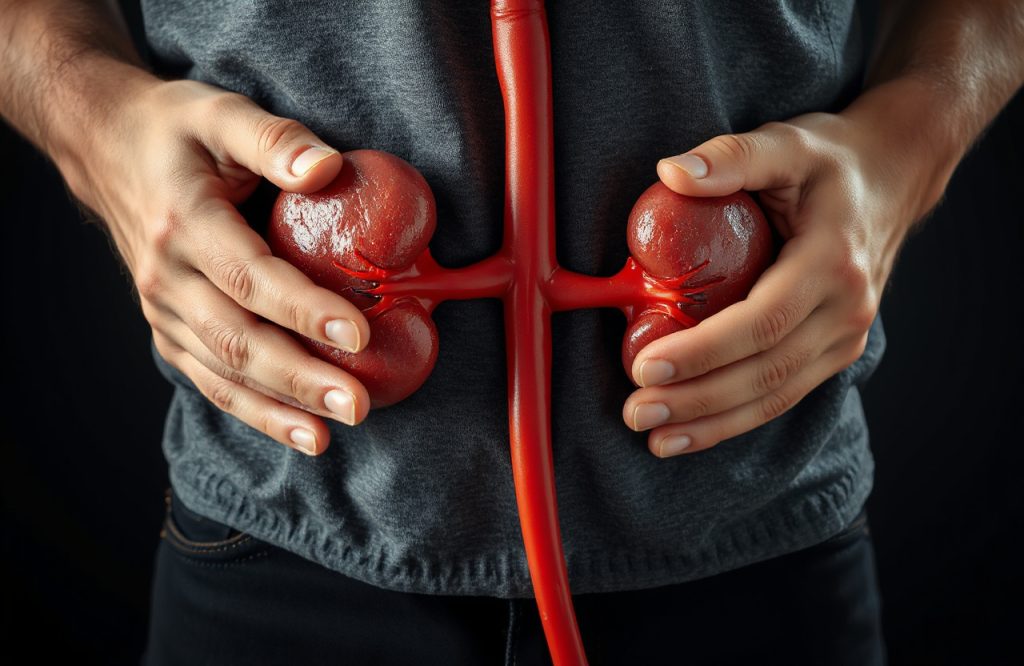
New Study Links Obesity to Kidney Cancer Development
Overview of the Research
A recent study published in PLOS Medicine explores the impact of obesity on the development of kidney cancer. The findings consistently show a positive correlation between obesity and the risk of kidney cancer, independent of other known risk factors, such as hypertension. This association appears to be particularly pronounced in women, although it is also evident in men.
Kidney Cancer Statistics
According to the National Cancer Institute, there were an estimated 65,340 new cases of kidney and renal pelvis cancer in the United States in 2018. Additionally, approximately 14,970 deaths from kidney cancer were reported, which represents about 2.5% of all cancer-related fatalities. Kidney and renal pelvis cancers rank as the eighth most common type of cancer in the U.S., accounting for nearly 4% of all new cancer cases annually. Key risk factors for kidney cancer, as well as other forms of cancer, include diet, physical activity, obesity, and diabetes.
Research Methodology
The PLOS Medicine study specifically investigates which obesity-related factors are linked to kidney cancer by utilizing patients’ genetic markers as proxies for traditional risk factors. Researchers employed a mathematical tool to analyze genetic differences with established functions, examining their effects on kidney cancer susceptibility in observational studies. This approach enabled the identification of individual factors that directly influence the likelihood of being diagnosed with kidney cancer.
Study Findings
The study analyzed data from 10,784 kidney cancer patients and compared them to 20,406 participants without cancer. Genetic markers associated with various obesity measures, blood pressure, lipids, type 2 diabetes, insulin, and glucose were utilized to assess the relationship between these obesity-related factors and kidney cancer.
Key findings revealed that obesity, diastolic blood pressure, and fasting insulin levels are associated with an increased risk of developing kidney cancer. Conversely, systolic blood pressure, circulating lipids, diabetes, and fasting glucose did not demonstrate a significant association with kidney cancer risk. Notably, higher body mass index (BMI), waist-to-hip ratio, and percent body fat were all linked to an elevated risk of kidney cancer. The correlation between higher fasting insulin and diastolic blood pressure with kidney cancer risk highlights the need for further investigation into insulin’s role in this cancer.
Limitations of the Study
The study’s data were collected at a single point in time, meaning that while genetic factors remain constant, environmental influences can alter gene expression. Therefore, tracking these patients over time could provide more insights as their health status evolves.
Future Research Directions
This study underscores the significant roles of obesity and elevated diastolic blood pressure in increasing kidney cancer risk and opens avenues for further research into the effects of high insulin levels on kidney cancer development. Furthermore, it indicates that systolic blood pressure and blood lipids are not major risk factors. There is a pressing need for additional studies focusing on how diastolic blood pressure and insulin levels contribute to kidney cancer risk, as well as further exploration of obesity’s influence on kidney cancer progression.
References
Johansson M, Carreras-Torres R, Scelo G, Purdue MP, Mariosa D, Muller DC, et al. (2019). The influence of obesity-related factors in the etiology of renal cell carcinoma—A mendelian randomization study. PLoS Med 16(1): e1002724.
Wilson, K. and Cho, E. Obesity and Kidney Cancer. Recent Results Cancer Res. 2016;208:81-93.