Impact of Body Composition on Smoking Habits
Overview of Obesity and Smoking
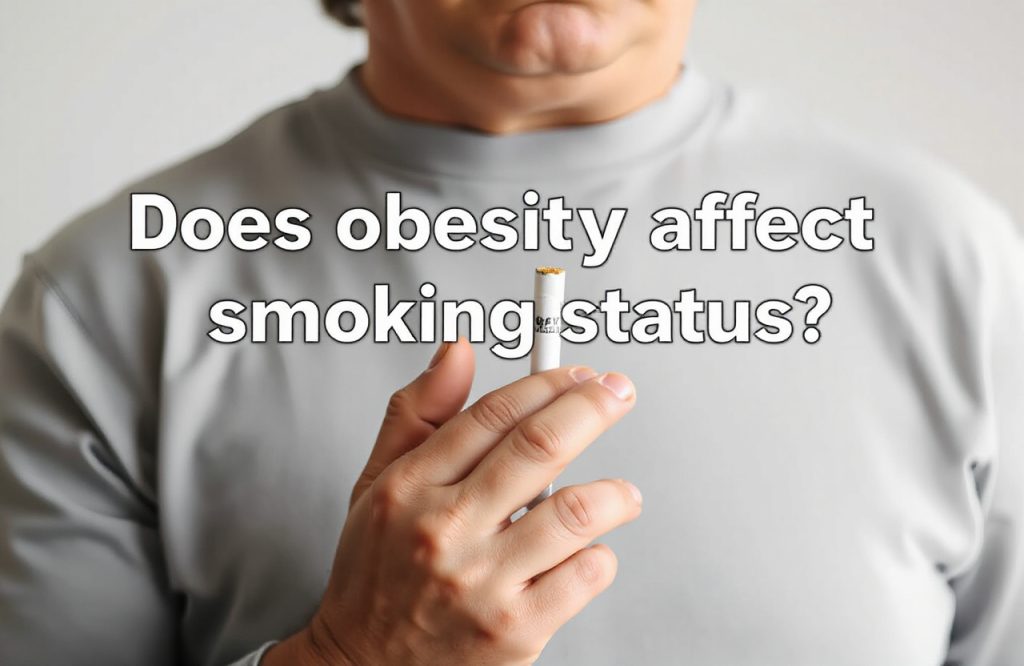
A recent study has explored how body mass index (BMI), waist circumference, and fat percentage influence an individual’s smoking status and smoking intensity. Obesity has emerged as a global pandemic, particularly in developed countries, largely due to evolving lifestyle factors. Research indicates that environmental factors, including tobacco smoking, play a significant role in altering weight, BMI, and waist circumference. Conversely, BMI and waist circumference may also impact smoking behaviors, highlighting a complex relationship that warrants further investigation.
Study Design and Methodology
A British study published in the BMJ investigated the effects of fat percentage, BMI, and waist circumference on smoking status and intensity. Researchers utilized previous studies to identify genetic variants associated with adiposity and extracted relevant smoking data from the UK Biobank. This data encompassed various metrics, including the risk of smoking (both past and present), the age at which individuals began smoking, and the average daily cigarette consumption. Statistical analyses were conducted to identify correlations between smoking behaviors and measurements of adiposity.
Key Findings
The study revealed a significant correlation between BMI and smoking status; specifically, each increase in BMI corresponded to a heightened risk of smoking. A replication study reaffirmed this causal relationship. Furthermore, the findings indicated that an increase in BMI is associated with a rise in smoking intensity, quantified as an average increase of 0.88 cigarettes per day for each unit increase in BMI. The replication study extended these findings, showing that each standard deviation increase in BMI led to an additional 1.27 cigarettes smoked per day. Similar trends were observed across waist circumference and body fat percentage data.
Implications for Public Health
These findings suggest that adiposity may influence smoking behavior. Given the increasing emphasis on healthy lifestyle choices, this study offers valuable insights for improving global health. A deeper understanding of the interplay between genetic predispositions and environmental influences can assist medical and health professionals in creating guidelines for healthier living and extended lifespans.
Moreover, this research may enable clinicians to better comprehend how body composition, particularly fat, affects smoking habits, potentially leading to tailored care strategies for patients influenced by these genetic and environmental factors.
Author and Reference
Written by Shrishti Ahuja, HBSc
Reference: Carreras-Torres, R., Johansson, M., Haycock, P. C., Relton, C. L., Smith, G. D., Brennan, P., & Martin, R. M. (2018). Role of obesity in smoking behaviour: Mendelian randomisation study in UK Biobank. Bmj. doi:10.1136/bmj.k1767
Related Topics
– Age, fitness, and smoking status affect onset of Parkinson’s disease
– Effects of smoking include accelerated aging, study finds
– Weight gain after quitting smoking is worth it, researchers say
– Smoking and Obesity: A Trajectory from Adolescence to Adulthood