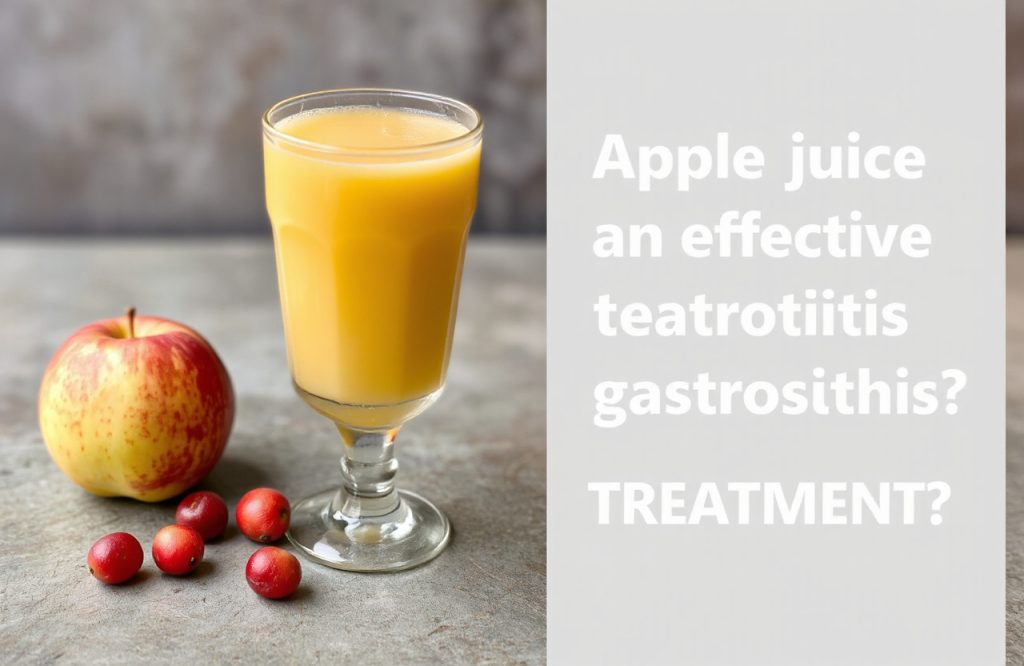
Research on Apple Juice as an Alternative to Electrolyte Solutions for Pediatric Gastroenteritis
Understanding Gastroenteritis in Children
Gastroenteritis refers to the inflammation of the stomach and intestines, commonly caused by bacterial or viral infections. In children, mild gastroenteritis can lead to dehydration due to persistent vomiting and diarrhea. Without adequate fluid replacement, severe dehydration may necessitate intravenous rehydration, resulting in significant weight loss and, in extreme cases, death. The standard treatment for pediatric gastroenteritis typically involves oral rehydration therapy, primarily using electrolyte solutions. However, the need for these solutions may be less critical in higher-income countries where severe dehydration is rare.
The Study: Apple Juice Versus Electrolyte Solutions
Given the high cost and unappealing taste of electrolyte maintenance solutions for children, researchers from Calgary and Toronto explored the potential of using diluted apple juice as a substitute. Their findings were published in the Journal of the American Medical Association. The study was conducted as a single-center, randomized, single-blind trial in Toronto from October 2010 to April 2015.
The research involved 647 children aged 6 to 60 months who were diagnosed with gastroenteritis and minimal dehydration. Participants were randomly assigned to one of two groups: one receiving color-matched half-strength apple juice followed by their preferred fluids, and the other receiving an apple-flavored electrolyte maintenance solution. The intervention group consisted of 323 children, while the control group included 324 children. After discharge, the intervention group had access to fluids of their choice, while the control group was limited to the electrolyte solution.
The primary outcome of the study was a composite measure of treatment failure within one week of enrollment, which included hospitalization, the necessity for intravenous rehydration, unexpected medical visits due to vomiting or diarrhea, and weight loss or significant dehydration during follow-up.
Results of the Study
Among the 99.5% of children who completed the follow-up, those in the apple juice group experienced fewer treatment failures compared to the control group (16.7% versus 25%). Additionally, children consuming apple juice required intravenous rehydration less frequently (2.5% compared to 9%). Rates of hospitalization, as well as the frequency of diarrhea and vomiting, were similar across both groups.
The researchers noted, “These results challenge the recommendation to routinely administer electrolyte maintenance solution when diarrhea begins.” They emphasized that their findings are based on a larger and more diverse population than previous studies, which were often smaller and unblinded. Furthermore, the current study was conducted during a period when complicated gastroenteritis episodes have become less common, suggesting that the choice of rehydration fluid may significantly influence unscheduled medical visits.
Implications for Treatment
This pivotal study questions the established treatment protocols for pediatric gastroenteritis. It indicates that in high-income countries like Canada and the United States, children with mild gastroenteritis may receive equally effective, if not superior, treatment with diluted apple juice and their preferred fluids rather than relying solely on electrolyte solutions.
Reference
Freedman, S. B., Willan, A. R., Boutis, K., & Schuh, S. (2016). Effect of dilute apple juice and preferred fluids vs electrolyte maintenance solution on treatment failure among children with mild gastroenteritis: a randomized clinical trial. JAMA, 315(18), 1966-1974. doi:10.1001/jama.2016.5352