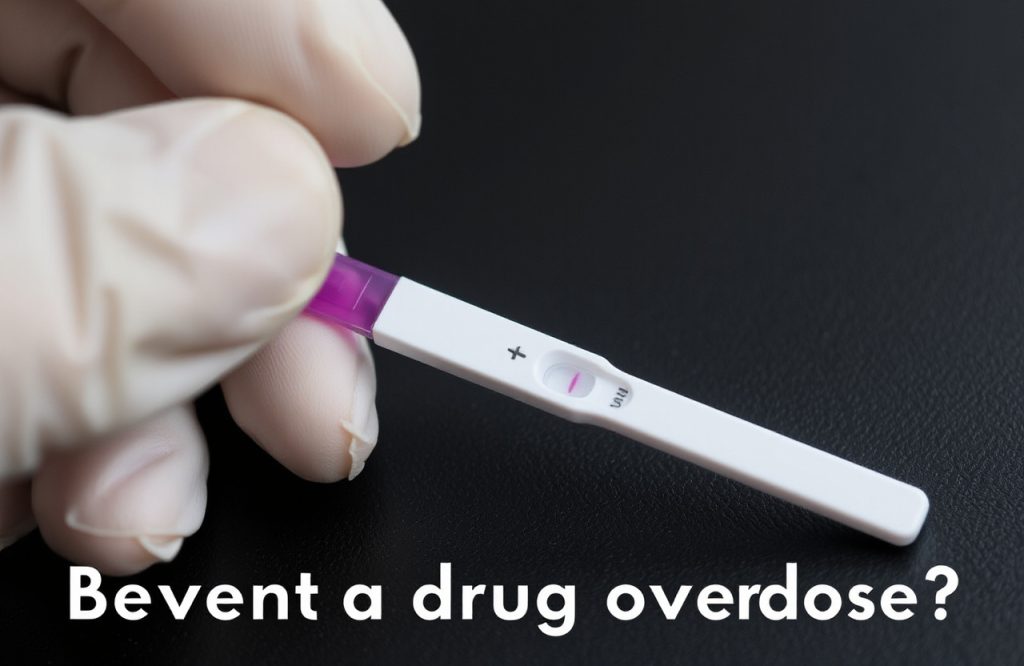
Impact of Fentanyl Test Strips on Drug Overdose Risk
Overview of the Opioid Crisis
The opioid crisis in North America has prompted significant concern, particularly due to the doubling of opioid overdose fatalities in the United States since 2000. This alarming trend has been exacerbated by the contamination of illicit drug supplies with fentanyl, an extremely potent opioid. Even small amounts of fentanyl can lead to overdose, often without the user’s knowledge when mixed with other opioids.
Research on Fentanyl Test Strips
Fentanyl test strips are commercially available tools designed to detect fentanyl in urine or dissolved drug samples. While previous studies have focused on their impact within supervised consumption facilities, limited research has been conducted on their use in unsupervised environments.
A recent study conducted by a collaborative team of Canadian and American researchers examined the effects of unsupervised fentanyl test strip usage on drug consumption behaviors in Rhode Island, a state significantly impacted by the fentanyl overdose crisis. The findings were published in the International Journal of Drug Policy.
Study Design and Methodology
The study involved 93 adults who self-reported using heroin, cocaine, injection drugs, or illegally obtained prescription pills. Participants attended two visits: the first included a demographic survey, drug use behavior assessment, and training on the proper use of fentanyl test strips. Participants were educated on overdose prevention, including the administration of naloxone, and received 10 fentanyl test strips along with a naloxone kit.
Participants were divided into two groups: a pre-consumption group that tested their drugs before use and a post-consumption group that tested their urine after drug use. Approximately two weeks later, a follow-up visit was conducted, during which participants completed a second survey reporting their experiences with the test strips and providing insights into their behaviors and attitudes related to drug use.
Findings on Drug Use Behavior
At the follow-up, about 77% of participants reported using at least one test strip, although only 12% utilized all 10 strips, and 58% distributed some strips to others. Among those who tested, half reported positive results for fentanyl. Participants who tested positive exhibited risk-reduction behaviors, with 45% reducing their drug dosage and 42% decreasing the speed of their use. Some participants chose to discard, sell, or give away their drugs. Notably, the pre-consumption group showed a higher prevalence of risk-reducing behaviors compared to the post-consumption group.
Despite limitations such as the small sample size and potential self-reporting biases, the results underscore the significant presence of fentanyl contamination in Rhode Island and suggest that fentanyl test strips can effectively encourage safer drug use practices.
Recommendations and Future Research
The researchers advocate for the distribution of fentanyl test strip kits through community health clinics and organizations as part of a broader harm reduction strategy. Further investigation is necessary to understand the reasons behind some participants’ decisions not to use the test strips, despite receiving adequate training and resources.
Written by Agustin Dominguez Iino, BSc
Reference: Krieger M et al. Use of rapid fentanyl test strips among young adults who use drugs. Int J Drug Policy. 2018 Oct 12. pii: S0955-3959(18)30246-9. doi: 10.1016/j.drugpo.2018.09.009. [Epub ahead of print]