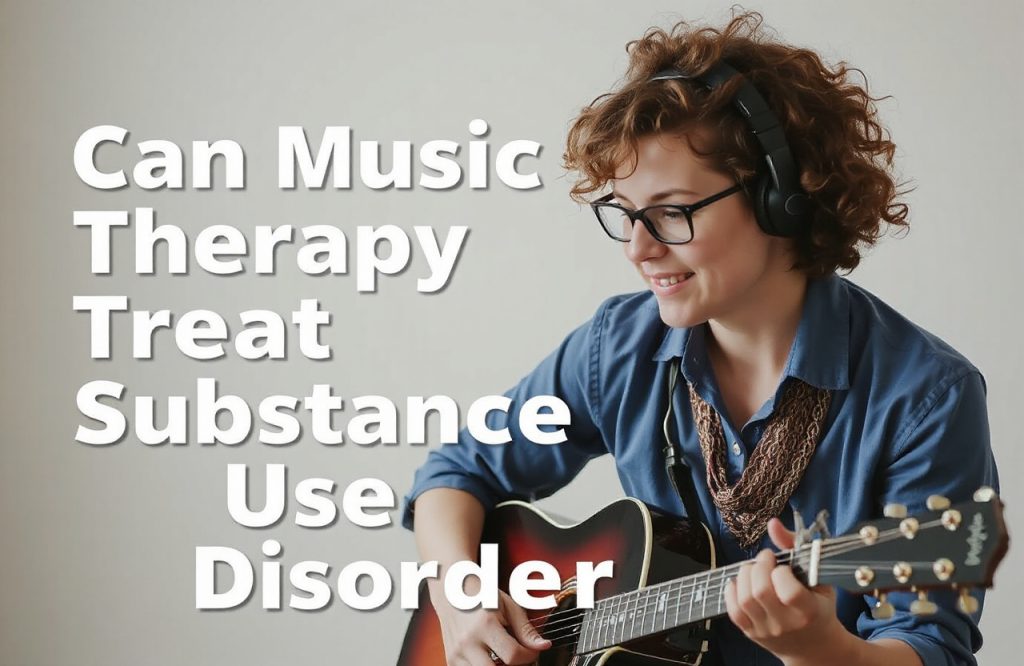
Effectiveness of Music Therapy in Treating Substance Use Disorder
Introduction to Substance Use Disorder
Substance use disorder, particularly involving alcohol and illicit drugs, poses a significant public health challenge that requires collective action. The implications of substance misuse extend beyond the individual, impacting their health, social interactions, economic stability, and affecting families, communities, and the nation at large. Traditional treatments typically include medications, detoxification, and psychotherapy. However, only about 10% of individuals needing treatment receive professional assistance, with many not completing their treatment. This situation underscores the necessity for more accessible and effective treatment options.
Alternative Treatment Methods: Music Therapy
Recently, alternative treatment approaches have gained traction, including music therapy conducted by trained therapists and music-based interventions that do not require professional guidance. Research has indicated that these methods can positively influence individuals struggling with substance misuse, leading to improvements in mood, stress levels, self-esteem, motivation, emotional expression, and a sense of belonging. However, many studies vary in their treatment settings, frequency, duration, and outcome measures, often lacking crucial data on drug consumption and long-term abstinence.
Research Overview by Hohmann and Collaborators
In light of these inconsistencies, researchers led by Hohmann undertook a systematic review to evaluate the effectiveness of music therapy and music-based interventions for individuals with substance use disorders. Their findings were published in PLoS One and encompassed a thorough examination of all studies providing quantitative or qualitative data on the subject. The review focused on studies published in English that included participants of varying ages and genders, measuring outcomes such as motivation, depression, medical symptoms, anxiety, anger, sadness, and stress.
Study Findings
From 383 articles identified, 39 studies met the inclusion criteria, comprising six qualitative and 34 quantitative studies. Many of these studies demonstrated beneficial effects of music therapy and music-based interventions on mood and emotions. However, results regarding motivation were inconsistent, possibly due to variations in study designs, comparison types, or measurement tools. A notable finding across several studies was the positive correlation between music therapy and perceived enjoyment, which directly relates to enhanced quality of life and improved health outcomes. Group interactions also played a significant role in facilitating active participation in treatment.
Conclusion and Recommendations
While the evidence suggests that music therapy and music-based interventions can positively affect the treatment of substance use disorder, the results across studies remain inconsistent. Factors such as the number of sessions, group dynamics, and the type of music used were shown to influence outcomes. Additionally, critical outcomes like abstinence from substance use were not examined in most studies, with only one study addressing this aspect. For effective policy development aimed at addressing substance use disorder, further comprehensive investigations of music therapy and music-based interventions are essential, incorporating both social and health outcomes.
Reference
Hohmann L, Bradt J, Stegemann T, Koelsch S. (2017). Effects of music therapy and music-based interventions in the treatment of substance use disorders: A systematic review. PLoS ONE 12(11): e0187363. https://doi.org/10.1371/journal.pone.0187363