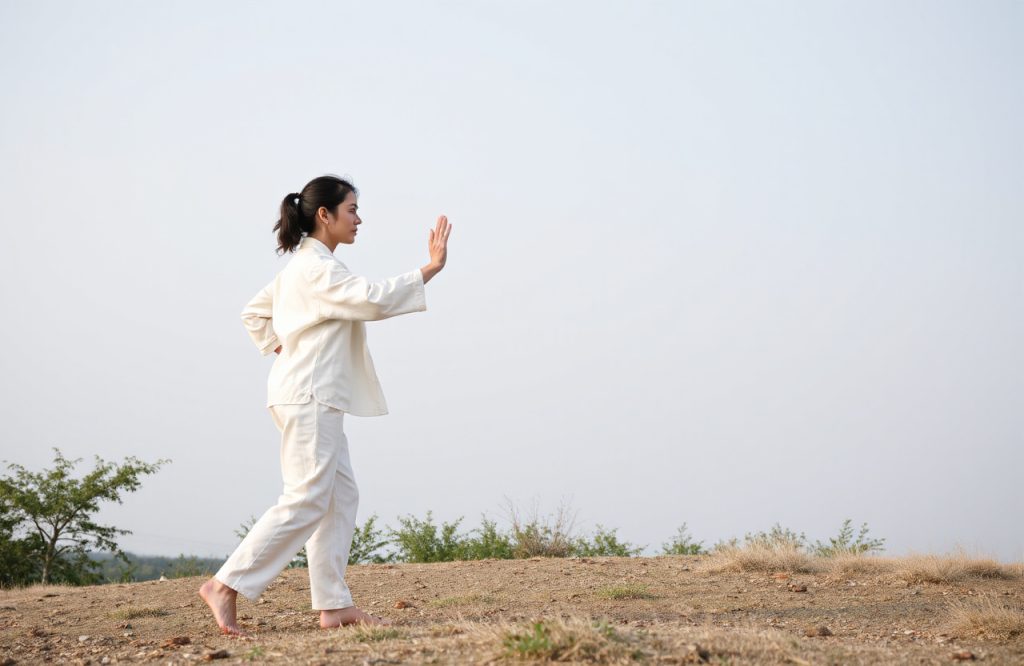
Study Compares Aerobic Exercise and Tai Chi for Fibromyalgia Treatment
Understanding Fibromyalgia
Fibromyalgia is a complex chronic condition characterized by a variety of physical and mental symptoms. These can include widespread muscle and joint pain, fatigue, difficulties in concentration, depression, and anxiety. While the exact cause remains unknown, it is believed to stem from heightened sensitivity to pain. Currently, there is no cure for fibromyalgia, and treatment focuses on symptom management through a combination of medication, behavioral therapy, and exercise programs.
Exercise Recommendations for Fibromyalgia
Aerobic exercise is often recommended as a standard treatment for fibromyalgia. However, some patients struggle to maintain adherence to these exercise regimens. Recent studies have suggested that tai chi, an ancient form of mind-body exercise from traditional Chinese medicine, may offer benefits for fibromyalgia treatment. Tai chi integrates physical and mental practices aimed at enhancing health and well-being.
Research Study Overview
Researchers in the United States conducted a study to compare the effectiveness of aerobic exercise and tai chi for treating fibromyalgia, with their findings published in the British Journal of Medicine. The study involved 226 patients diagnosed with fibromyalgia, who were randomly assigned to one of five treatment groups: one aerobic exercise group and four tai chi groups.
The aerobic exercise group participated in two supervised classes weekly for a duration of 24 weeks. The tai chi groups were assigned varying intensities and durations, attending classes either once or twice weekly for 12 or 24 weeks. To assess the impact of these exercise programs on fibromyalgia symptoms, participants completed a standardized “Fibromyalgia Impact Questionnaire” at both the beginning and the end of the 24-week period.
Results of the Study
After 24 weeks, all participants reported improvements in their fibromyalgia symptoms. Notably, the tai chi groups exhibited significantly greater improvements compared to the aerobic exercise group. When tai chi was performed at the same intensity and duration as the aerobic exercise (twice weekly for 24 weeks), it yielded superior benefits. Furthermore, those who engaged in tai chi for 24 weeks experienced greater advantages than those who participated for only 12 weeks. However, there was no significant difference in outcomes between the groups that attended tai chi sessions once versus twice a week. Additionally, patients in the tai chi groups maintained better attendance than those in the aerobic exercise program.
Conclusion and Implications
The researchers concluded that tai chi may have a similar or even greater effect than aerobic exercise on various fibromyalgia symptoms. The higher attendance rates among tai chi participants suggest that it may be a more acceptable form of exercise for individuals with fibromyalgia. Consequently, tai chi could present a valuable alternative treatment option for managing this challenging condition.
Reference
Wang C, Schmid CH, Fielding RA, et al. Effect of tai chi versus aerobic exercise for fibromyalgia: comparative effectiveness randomized controlled trial. BMJ 2018; 360:k851. Doi: 10.1136/bmj.k851.