Understanding Transcutaneous Electrical Nerve Stimulation (TENS)
What is TENS?
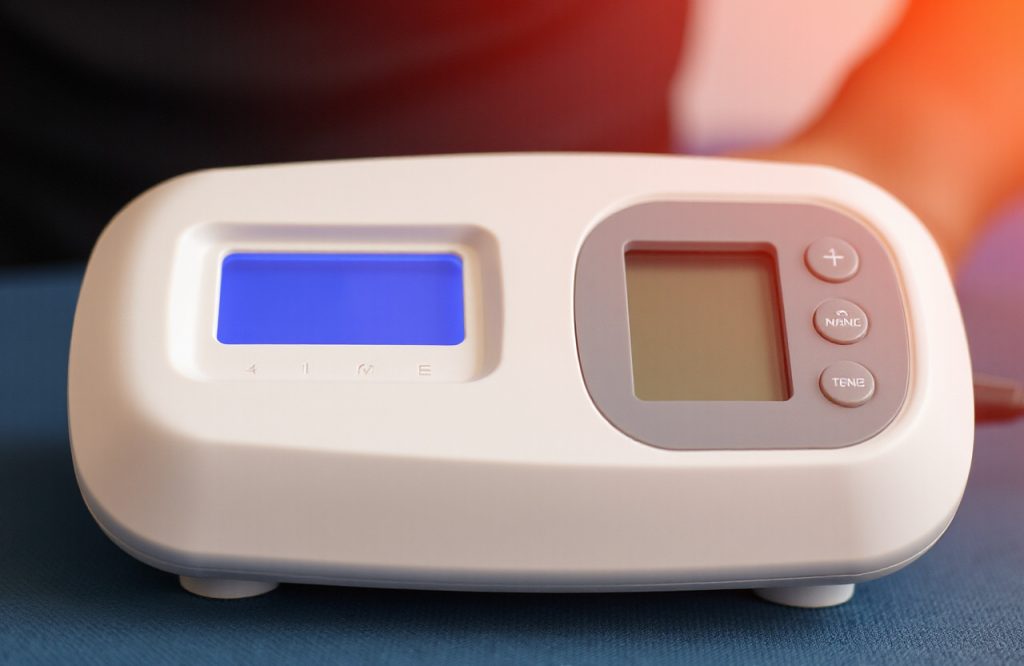
Transcutaneous electrical nerve stimulation, commonly referred to as TENS, is a pain relief technique widely utilized for various pain conditions. TENS machines are compact, portable devices that facilitate at-home treatment and are typically affordable. Many individuals opt for TENS therapy to avoid the use of pain medications.
How Does a TENS Machine Work?
TENS machines function by delivering electrical pulses to the skin’s surface through electrodes. These electrical impulses stimulate the nerves, which helps to alleviate pain by inhibiting the transmission of pain signals. Research suggests that certain signaling molecules, such as gamma-aminobutyric acid (GABA) and opioids, may also play a role in the pain-relieving effects of TENS therapy.
Is TENS Safe?
TENS is generally regarded as a safer alternative compared to some medications. However, users may experience mild side effects, including redness or itchiness at the treatment site, as well as a drop in blood pressure which can lead to dizziness and nausea. TENS treatment is usually not advised for individuals with serious medical conditions or implanted devices, such as pacemakers. It is essential to consult with a healthcare professional to determine if TENS is suitable for your situation and to ensure it does not pose any health risks.
Conditions Treated with TENS
TENS therapy has been extensively studied for chronic pain conditions, particularly chronic musculoskeletal disorders, including:
– Osteoarthritis
– Fibromyalgia
– Low back pain
– Neck pain
Research has indicated significant reductions in musculoskeletal-related pain among patients receiving TENS treatment. For instance, one study noted a pain reduction of up to 20% in patients with chronic low back pain, comparable to relief provided by oral medications like NSAIDs.
TENS is also utilized for neuropathic pain conditions, such as:
– Diabetic neuropathy
– Spinal cord injuries
– Carpal tunnel syndrome
– Pain associated with multiple sclerosis
Further research is needed to ascertain the extent of benefits TENS may provide for these specific pain conditions.
References
Johnson MI. Resolving Long-Standing Uncertainty about the Clinical Efficacy of Transcutaneous Electrical Nerve Stimulation (TENS) to Relieve Pain: A Comprehensive Review of Factors Influencing Outcome. Medicina (Kaunas). 2021;57(4):378. Published 2021 Apr 14. doi:10.3390/medicina57040378.