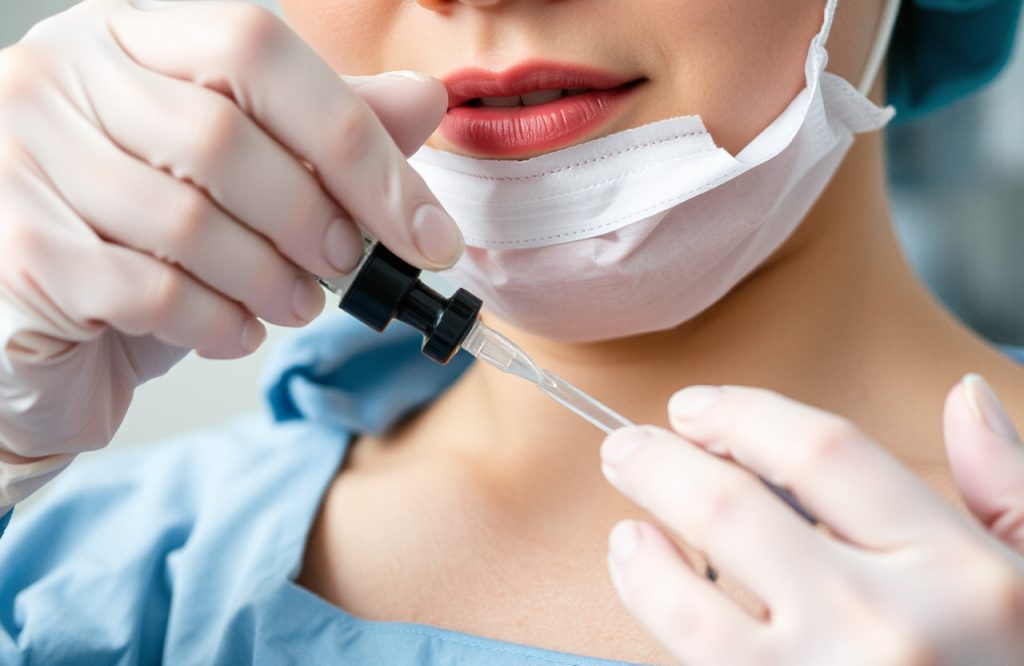
Innovative Surgical Glue: A Natural Solution for Wound Closure
Introduction to New Surgical Techniques
Recent research is drawing inspiration from nature to address the limitations of traditional sutures and staples used in wound closures following surgeries. The emergence of advanced surgical glue technology shows promise as an effective alternative to these mechanical closure methods.
The Current Landscape of Wound Closure
Annually, millions of surgeries and traumatic wound closures are conducted globally. Typically, these wounds are managed with mechanical techniques such as sutures and staples, which pose several drawbacks. Patients may experience discomfort, an increased risk of infection, and potential damage to surrounding tissues. Although surgical adhesives have been utilized in recent years, many struggle to perform effectively in moist environments. Moreover, creating non-toxic and biocompatible medical adhesives remains a challenge.
Nature-Inspired Adhesives
To develop superior surgical adhesive options, researchers are examining natural adhesives found in various organisms. For example, snails, slugs, sandcastle worms, and mussels can adhere to wet surfaces. A specific organism, the Dusky Arion slug, secretes a sticky substance when threatened, inspiring scientists to engineer a novel adhesive material. This material combines elements similar to slug slime with a flexible gel.
Breakthrough Research Findings
A recent study published in The New England Journal of Medicine highlights the advancements made by American researchers, including Li and colleagues. They successfully created a surgical glue that is not only stretchable and effective on wet surfaces but also safe for human use. This synthetic glue achieves adhesion through a combination of electrostatic attraction, chemical bonding, and physical interpenetration. Animal model studies demonstrated that the glue adheres strongly to skin, cartilage, and arteries, effectively sealing perforations in rat liver and pig heart tissues.
Mechanism of Action
The design of this surgical glue is inspired by the biomechanical properties of slug slime. The adhesive comprises positively charged bridging polymers that interact with the negatively charged components of cells and tissues. This interaction, along with the hydrogel’s negative charge, facilitates a strong chemical bond and physical attachment to the tissue by intertwining surface proteins. This results in robust adhesion effective on wet tissues, allowing for efficient wound sealing.
Unique Properties of Hydrogel
The surgical glue includes a hydrogel—an amalgamation of gummy materials and water—that can dissipate energy through its matrix. This property allows the adhesive to deform before breaking. Unlike conventional pressure-sensitive tapes, which often lose adhesion in moist conditions, this hydrogel patch maintains its adhesive strength due to a matrix layer containing calcium ions bound through ionic bonds.
Future Applications and Challenges
This high-performance surgical glue presents numerous potential applications within the medical field. Other adhesives with similar chemical compositions are also under development. However, researchers face the challenge of ensuring the biodegradability of the surgical glue and exploring methods for large-scale production. Extensive testing over the coming years will be necessary before surgeons can confidently use these adhesives to bond tissues without sutures or to seal defects in the human heart.
Conclusion
The ongoing research into nature-inspired surgical adhesives marks a significant step forward in medical technology, potentially revolutionizing how wounds are closed and managed in surgical settings.
References
Written by Preeti Paul, MS Biochemistry
Reference: Jeffery M. Karp, A Slick and Stretchable Surgical Adhesive, Clinical implications of basic research, N ENGL J MED 377;21 Nov 2017.