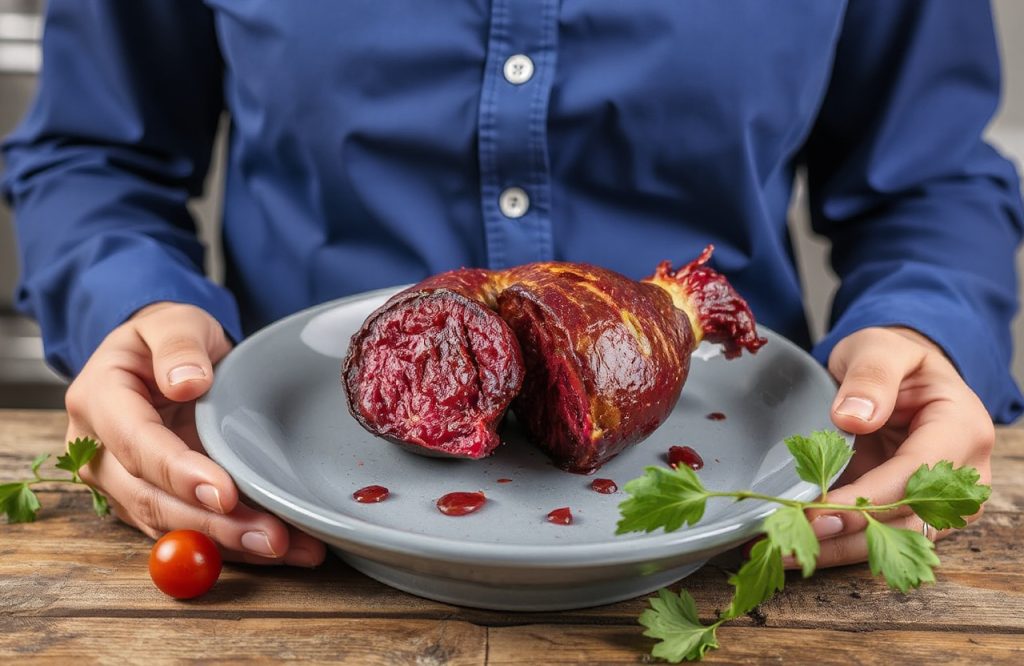
The Trend of Eating the Placenta
Overview of Placentophagy
The practice of consuming the placenta, known as placentophagy, has gained significant attention in recent years, particularly among celebrities who advocate for its purported health benefits. This trend is becoming increasingly popular worldwide, with many mothers reporting experiences of enhanced energy levels and reduced postpartum depression following this practice.
The Scientific Inquiry
Despite the enthusiasm surrounding placentophagy, scientific research on its health benefits remains limited due to the novelty of the field. A recent study aimed to investigate whether consuming the placenta actually contributes to improved health outcomes for mothers, specifically focusing on energy levels.
Evidence from Animal Studies
Placentophagy in Nature
There is evidence that many mammals consume their placentas after giving birth. Research has indicated potential health benefits of this behavior in rats, such as alleviating birthing pain. However, it remains uncertain whether similar benefits occur in humans.
The Rise in Popularity
Although the practice of eating the placenta has existed for some time, it has surged in popularity recently, leading to the publication of numerous cookbooks and preparation guides.
Research on Human Health Benefits
The Study at the University of Nevada
A study conducted by Sharon Young and her team at the University of Nevada sought to determine the effects of placenta consumption on new mothers. The study involved 27 pregnant participants who were aware they would consume their placenta postpartum. Researchers collected saliva samples to analyze hormone levels during pregnancy. After childbirth, some participants received placenta pills, while others received placebo pills made from beef or vegetarian alternatives. The participants were blinded to the type of pill they received.
Study Results
The findings revealed that women who consumed the placenta pills did not experience significant improvements in health compared to those who took placebo pills. There was no noticeable effect on energy levels or rates of postpartum depression. The researchers acknowledged the limitations of their study, including a small sample size and the absence of other control groups.
Expert Opinions
Mark Kristal, a behavioral neuroscientist at the State University of New York who studies placentophagy, suggested that any self-reported health benefits experienced by mothers may be attributed to the placebo effect.
Conclusion
While the practice of eating the placenta poses no known harm, and may provide psychological benefits to some new mothers, further research is necessary to explore its potential health impacts. As long as the practice is conducted safely, mothers may choose to continue it if they believe it benefits them.
Reference
Dengler, Roni. “Moms, should you eat your placentas?” Science Magazine, December 1, 2017.