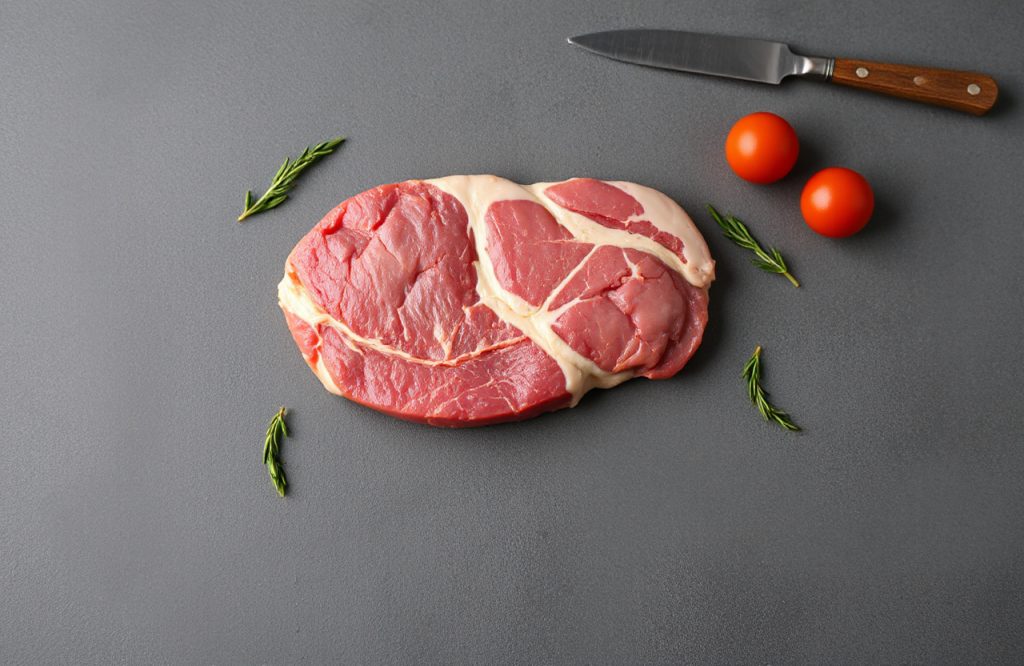
Expert Panel Reviews Health Benefits of Red Meat Reduction
Introduction to the Study
A panel of experts conducted a thorough review of existing research to evaluate the potential health benefits associated with lowering red meat consumption. While meat serves as a valuable source of protein, vitamins, and minerals, earlier studies have indicated that diets high in red meat—such as beef, lamb, or pork—as well as processed meats like bacon and sausages, may elevate the risk of heart disease, type 2 diabetes, and certain cancers. In response, global public health organizations, including the World Health Organization, advocate for a reduction in the intake of red and processed meats to mitigate these health risks.
Panel Objectives and Findings
The panel, consisting of 14 international experts, aimed to rigorously evaluate the available evidence regarding the health benefits of reducing red and processed meat consumption. They also sought to formulate dietary guidelines that empower individuals to make informed dietary choices based on the certainty of the scientific evidence and their personal preferences. Their findings were published in the Annals of Internal Medicine.
Current Dietary Guidelines on Red Meat
Methodology of the Review
Utilizing the Nutritional Recommendations (NutriRECS) guideline development process, the researchers applied stringent methods to assess the reliability of study evidence. They reviewed over 150 studies that included more than six million participants. Notably, the panel did not examine the environmental or animal welfare implications of red meat consumption.
Health Impact Assessments
The panel conducted four parallel systematic reviews of randomized controlled trials and observational studies focusing on the effects of red and processed meat consumption on heart disease, type 2 diabetes, and cancer. Their findings revealed no statistically significant correlation between red meat intake and the risk of these conditions in a review of 12 trials involving 54,000 participants. Additionally, although a slight risk reduction was noted for individuals who consumed three fewer servings of red or processed meat per week, the association lacked certainty.
Conclusions on Red Meat Consumption
Panel Consensus and Divergent Opinions
The majority of the panel concluded that adults may maintain their current levels of red and processed meat consumption. They reasoned that the evidence regarding negative health impacts is low, any potential risk reduction is minimal, and individuals are unlikely to alter their diets for such small health benefits. However, three members of the panel indicated that there is weak evidence supporting the recommendation to reduce red and processed meat intake.
Expert Commentary on Health Concerns
Dr. Bradley Johnston from Dalhousie University, a lead author of the study, expressed uncertainty regarding the health risks tied to moderate consumption of red and processed meats. He acknowledged that the panel’s focus was solely on health outcomes, excluding considerations of animal welfare or environmental factors, which may influence people’s decisions to decrease meat consumption.
Controversy Surrounding the Recommendations
Responses from Health Organizations
The panel’s recommendations have sparked controversy, contradicting established medical advice and drawing criticism from organizations such as the American Heart Association and the Harvard T.H. Chan School of Public Health. These critics argue that the review should not alter existing dietary recommendations aimed at preventing chronic diseases. They emphasize the importance of diets rich in healthy plant-based foods for both human health and environmental sustainability.
Challenges in Nutrition Research
The ongoing debate underscores the complexities inherent in nutrition research. Conducting randomized controlled trials in this domain is challenging, as it requires long-term comparisons of controlled diets and their health outcomes. Observational studies assessing health outcomes across diverse diets may be influenced by various lifestyle factors, complicating the interpretation of results.
Future Implications
Dr. Johnston noted that the controversy arises from differing approaches, as the panel intended to develop recommendations for individual decision-making rather than public health directives. He expressed hope that their findings would assist individuals in making informed dietary choices. The discussion surrounding red and processed meat consumption is likely to continue as more research emerges.
References
Johnston BC, Zeraatkar D, Wernooij RWM, et al. Unprocessed red meat and processed meat consumption: dietary guideline recommendations from the Nutritional Recommendations (NutriRECS) Consortium. Ann Intern Med 2019, [epub ahead of print 1 Oct 2019] doi:10.7326/M19-1621.
McMaster University, Press Release, Sept 30, 2019. “No need to cut down red and processed meat, says study” https://brighterworld.mcmaster.ca/articles/no-need-to-cut-down-red-and-processed-meat-says-study/
Dyer O. No need to cut red meat, say new guidelines. BMJ 2019;367. Doi:10.1136/bmj.15809 (Published Oct 1, 2019)
The Nutrition Source, Harvard T.H. Chan School of Public Health. Sept 30, 2019. New “guidelines” say continue red meat consumption habits, but recommendations contradict evidence. https://www.hsph.harvard.edu/nutritionsource/2019/09/30/flawed-guidelines-red-processed-meat/
Image by tomwieden from Pixabay