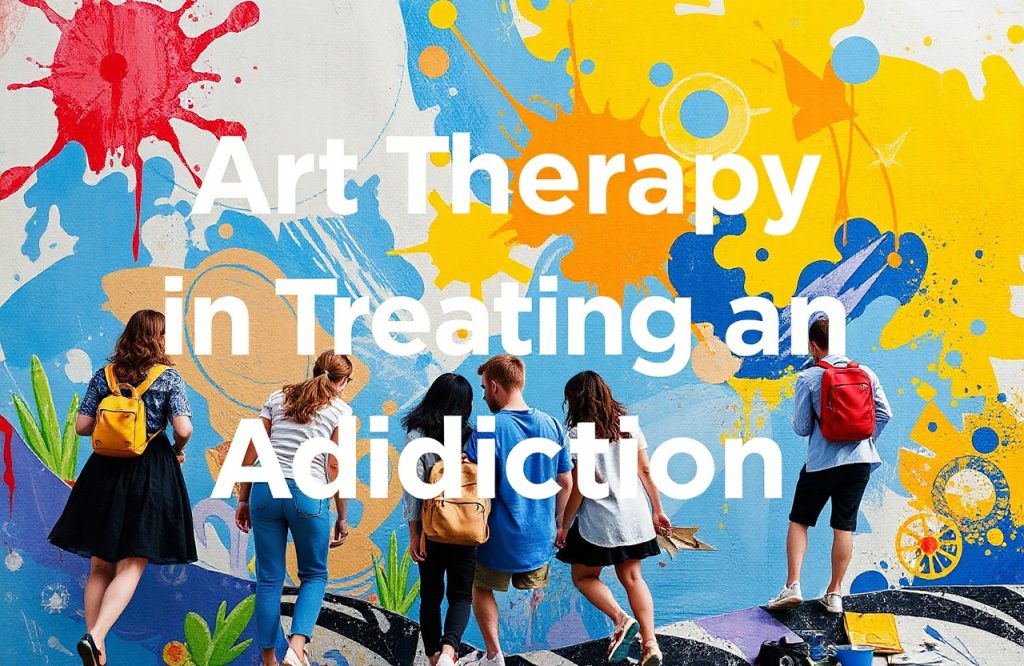
Art Therapy as a Complementary Treatment for Addiction
Overview of Art Therapy
While traditional addiction treatment primarily emphasizes detoxification, counseling, and various therapeutic methods, art therapy has emerged as a beneficial complementary approach. This form of therapy serves as a valuable healing tool for individuals facing mental health challenges while striving for sobriety. Art therapy fosters self-esteem and aids in alleviating stress and tension, allowing individuals to engage in creative expression without concern for artistic merit. The key to benefiting from art therapy is an open mind and a willingness to explore.
Benefits of Art Therapy in Treating Addiction
Developing a New Healthy Hobby
Substance abuse often consumes a significant portion of one’s time. In recovery, art therapy provides a constructive outlet to fill the void left by alcohol and drugs. Individuals are encouraged to explore various artistic mediums, such as painting, photography, drawing, or coloring, to discover what resonates with them. Engaging in creative activities triggers the release of dopamine, a neurotransmitter that enhances mood, reducing the reliance on substances for emotional uplift.
Communicate Visually
Beginning rehabilitation can be overwhelming, particularly when it comes to expressing oneself in an unfamiliar environment. Art therapy offers a nonverbal means of communication, allowing individuals to navigate their feelings in a safe space. Recovery center staff are experienced and understanding, providing support as individuals acclimate to their new circumstances. They aim to create personalized treatment plans that cater to individual needs.
Preventing Relapse
One of the primary objectives of recovery centers is to mitigate the risk of relapse. Returning to everyday life can introduce numerous triggers, from social situations to family dynamics. Art therapy serves as a creative outlet to combat feelings of loneliness, anger, or temptation. Engaging in artistic expression provides a distraction and a constructive way to manage cravings, while also offering the opportunity to explore new hobbies over time.
Boosting Self-Confidence
Low self-esteem is often a contributing factor to addiction. Art therapy can help individuals regain a sense of accomplishment and personal growth. Instead of reverting to alcohol or drugs for validation, individuals can find fulfillment and pride in their creative endeavors, fostering a positive self-image.
Facilitating Personal Discovery
Art therapy encourages individuals to reconnect with their true selves, countering the self-denial that often accompanies substance abuse. This therapeutic form of expression promotes self-reflection and may unveil hidden talents, such as painting or other artistic skills. Such discoveries not only aid in recovery but may also lead to opportunities for teaching or monetizing one’s art.
Conclusion
Art therapy can be a powerful component of addiction recovery, even without professional guidance. For those in outpatient rehab programs, finding artistic methods of expression can significantly contribute to overcoming addiction. However, it is important to remember that art therapy is most effective when integrated with other treatment modalities for comprehensive recovery.