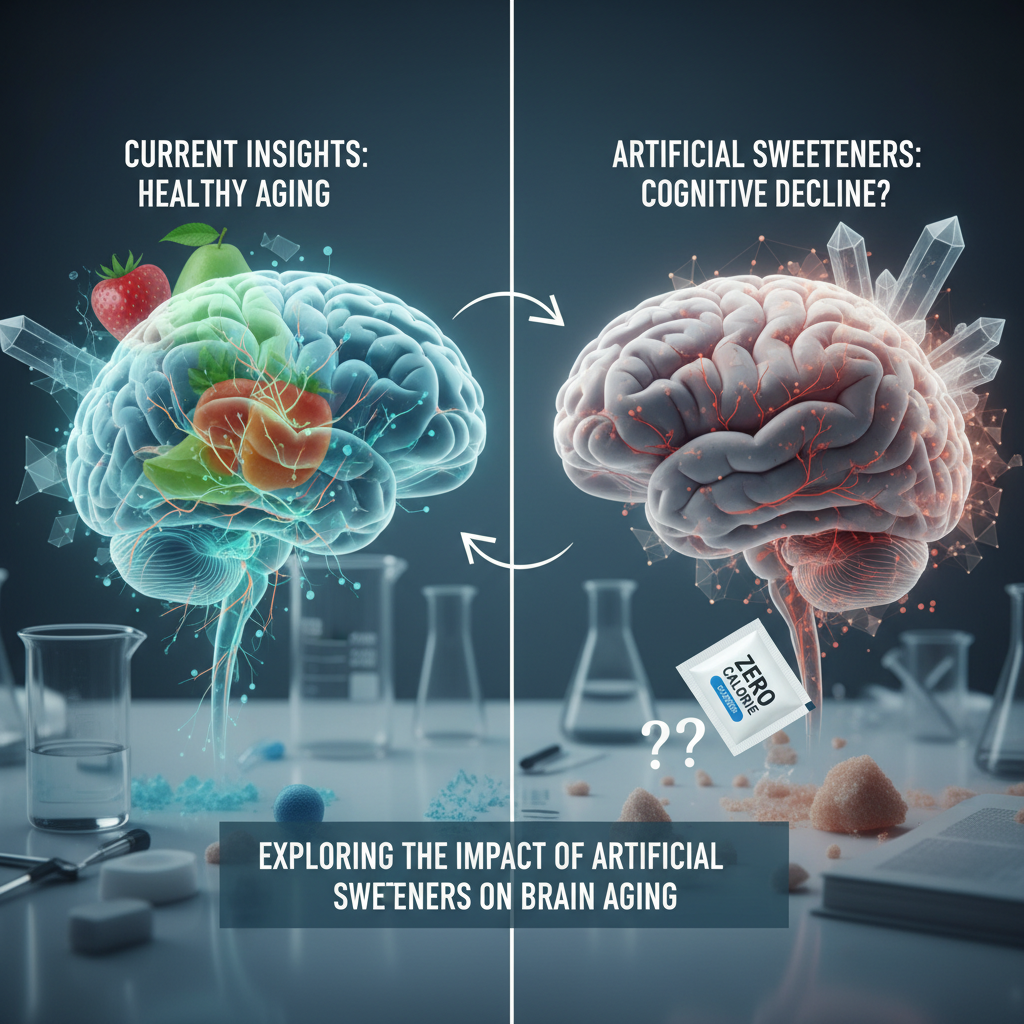
Are Artificial Sweeteners Harmful to Health?
The Impact on Memory and Cognitive Skills
Recent studies have raised important questions about the health effects of artificial sweeteners, especially their potential influence on memory and cognitive abilities. A new study indicates a possible connection between these sugar substitutes and brain aging, but additional research is necessary to fully comprehend the associated risks.
Insights from Medical Experts
Medical News Today (MNT) engaged in a detailed discussion with a physician and researcher to further explore these concerns. The podcast episode titled “How do artificial sweeteners affect brain health?” offers valuable insights into recent research findings.
Understanding Artificial Sweeteners
Common Types and Usage
Artificial sweeteners come in various forms, including liquids and powders, with well-known types such as sucralose, erythritol, and aspartame. Millions of people around the world, especially those with diabetes, use these sugar alternatives. The primary reason for this choice is the belief that artificial sweeteners minimize spikes in blood sugar levels.
Regulatory Approval and Safety
The Food and Drug Administration (FDA) has deemed several artificial sweeteners safe for consumption. This includes saccharin, sucralose, aspartame, and sugar alcohols like xylitol and erythritol, as well as plant-based options such as stevia and monk fruit.
Emerging Research on Long-Term Effects
Recent Findings from Neurology
In recent years, research has increasingly focused on the long-term health impacts of artificial sweeteners. A significant study published in the journal Neurology by the American Academy of Neurology highlights a correlation between artificial sweeteners—specifically aspartame, saccharin, acesulfame-K, erythritol, xylitol, and sorbitol—and declines in memory and cognitive function. The findings suggest that these effects may equate to approximately 1.6 years of brain aging.
Public Concerns and Recommendations
These findings have ignited debate and concern among the public regarding the consumption of artificial sweeteners. A critical question arises: Should individuals stop using these substitutes entirely? Moreover, what other health implications might they carry?
Expert Discussion on Artificial Sweeteners
Dr. Claudia Suemoto’s Contribution
To further investigate these topics, Dr. Claudia Suemoto, MD, PhD, the senior author of the Neurology study, participated in a discussion with Medical News Today editors Yasemin Nicola Sakay and Maria Cohut. Dr. Suemoto serves as a physician and assistant professor of geriatrics at the University of São Paulo Medical School, specializing in epidemiology related to dementia and brain aging. She also oversees the Brain Bank of the Brazilian Aging Brain Study Group, the largest brain bank in Latin America, and was honored with the L’Oreal UNESCO For Women in Science award in Brazil in 2016.
Listen to the Podcast
Listeners can access the full podcast episode below or on their preferred streaming platform for additional insights into the effects of artificial sweeteners on health, particularly regarding brain function.