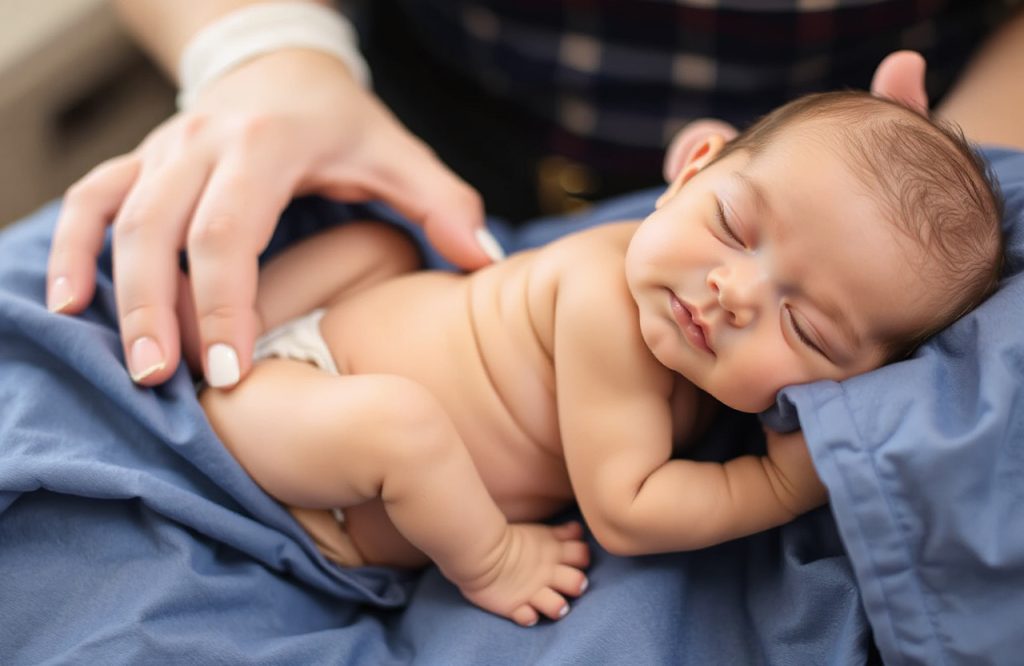
Global Prevalence of Premature Births
Understanding Prematurity and Associated Risks
Approximately one in ten infants are born prematurely around the globe, which positions them at a heightened risk for various medical complications such as breathing apneas and osteopenia. A recent study published in BMC Pediatrics investigated the potential link between caffeine, commonly prescribed to manage breathing apneas in premature infants, and the risk of osteopenia.
Defining Premature Birth
Premature birth is defined as being born before 37 weeks of gestation. While the exact causes of preterm birth often remain unclear, several risk factors have been identified, including diabetes, high blood pressure, obesity, and tobacco use. Premature infants face increased risks of developmental delays, hearing issues, and episodes of breathing apnea, which occur when these infants involuntarily stop breathing for 15 to 20 seconds during sleep.
Bone Mineral Density and Caffeine
Importance of Bone Mineralization
The majority of bone mineralization, approximately 80%, occurs during the third trimester of pregnancy. Consequently, premature infants typically present with lower bone mineral density and bone mineral content. The likelihood of developing osteopenia, characterized by low bone density, escalates as gestational age decreases, leading to a greater risk of bone fragility and fractures.
Caffeine Usage in Neonatal Care
Caffeine is the most widely consumed pharmacological agent globally and is frequently prescribed in neonatal intensive care units to manage breathing apneas of prematurity, affecting about 70% of these infants. The half-life of caffeine in neonates ranges from 72 to 96 hours, with liver enzymes responsible for caffeine metabolism maturing with gestational age. This slower clearance in preterm infants raises concerns, especially since animal studies indicate that caffeine may reduce bone density and calcium content in bones such as the tibia and femur.
Study Findings on Caffeine and Osteopenia
Research Overview
A Canadian study published in BMC Pediatrics aimed to evaluate the relationship between caffeine usage and osteopenia in premature infants. The study involved 109 infants born at or before 31 weeks of gestation, with osteopenia assessed through biweekly chest X-rays over a 12-week period. Researchers closely monitored caffeine prescriptions in relation to the development of osteopenia.
Impact of Caffeine Treatment
The findings of the study highlighted a significant correlation between caffeine treatment and the incidence of osteopenia. While caffeine is effective in managing breathing apneas of prematurity, it also appears to adversely affect bone density. Notably, the detrimental effects of caffeine are more pronounced in infants with lower gestational ages, possibly due to their slower metabolism of the substance, which results in prolonged exposure.
Public Health Implications
Recommendations for Pregnant Women
These findings carry substantial implications for public health. Previous research has indicated that maternal caffeine consumption negatively influences bone formation and development, leading to recommendations for pregnant women to limit caffeine intake. The high doses of caffeine often prescribed to premature infants may significantly contribute to the risk of osteopenia, warranting exploration of alternative treatment strategies for managing breathing apneas.
Future Research Directions
To mitigate the risk of osteopenia, it is essential to investigate other treatment options, such as different ventilation strategies. Additionally, further studies should aim to identify effective lower doses of caffeine that could treat preterm infants while minimizing the adverse effects on bone health.
Written by Neeti Vashi, BSc
Reference: Ali, E., Rockman-Greenberg, C., Moffatt, M., Narvey, M., Reed, M., & Jiang, D. (2018). Caffeine is a risk factor for osteopenia of prematurity in preterm infants: a cohort study. BMC Pediatrics, 18(1), 9.