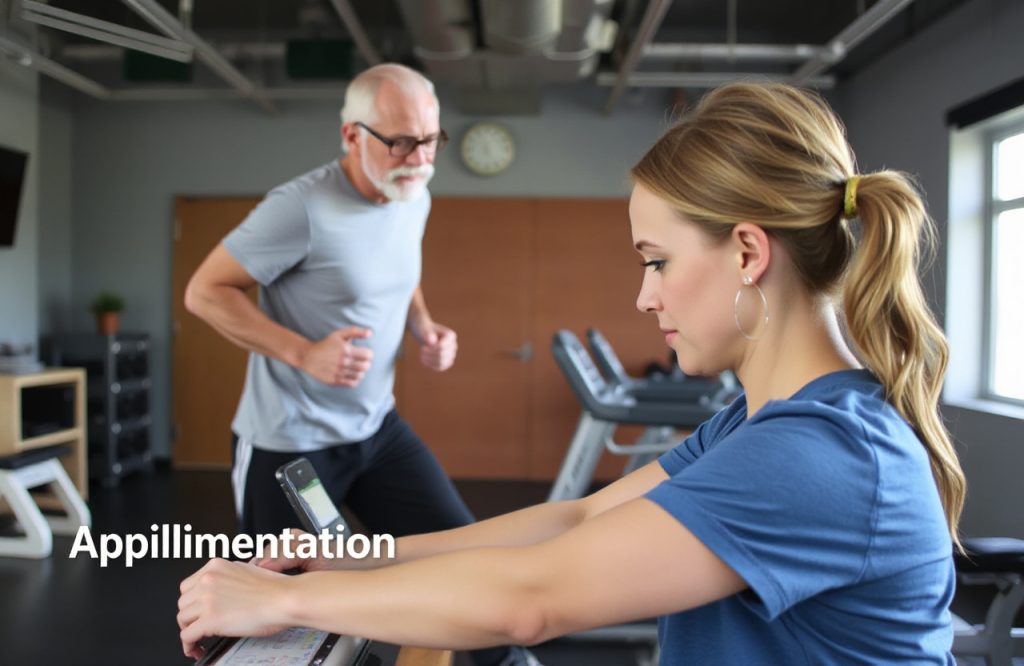
Impact of Exercise on Motor and Cognitive Function in Seniors
Overview of the Review
A recent review published in the European Review of Aging and Physical Activity investigates the relationship between exercise and motor and cognitive function in older adults. The findings suggest that engaging in physical activity can mitigate age-related cognitive decline. Exercise is associated with enhancements in memory, processing speed, mood, mobility, and balance.
Research Background
Previous studies have examined the effects of exercise on cognitive and motor functions independently, but this review aims to explore them together. Researchers in Israel analyzed 19 relevant articles to determine how physical activity influences these functions in seniors. Their findings were published in the European Review of Aging and Physical Activity.
Methodology of the Review
To gather relevant studies, the researchers conducted a search on PubMed using keywords related to physical activity, cognitive, and motor functions. They focused on English articles published between 2007 and 2016. Studies involving participants with neurological illnesses, such as cancer and Alzheimer’s, were excluded. The review primarily targeted studies with participants aged 65 and older, utilizing a longitudinal design and comparing two groups—one receiving a physical exercise intervention and the other receiving both physical and cognitive interventions.
Interventions Analyzed
The most common interventions identified included various forms of physical activity, such as aerobic, strength, and balance exercises, often combined with cognitive tasks. Control groups typically received health education, variations of the intervention tasks, or no intervention at all. The studies varied significantly in terms of duration, intensity, and types of physical activity involved.
Focus Areas of the Research
The researchers specifically assessed improvements in motor abilities, including lower limb mobility, balance, muscle strength, and psychomotor tasks. Additionally, they looked for enhancements in cognitive functions such as working memory, processing speed, inhibition, attention, and dual-task cost—the decline in task performance when executing multiple tasks simultaneously.
Findings on Motor Function
The review revealed that studies utilizing single exercise interventions (aerobic, strength, or balance) showed minimal improvements in motor function outcomes. However, combining exercise interventions or conducting them alongside cognitive tasks led to significant enhancements in motor function metrics.
Findings on Cognitive Function
Similar to the motor function outcomes, the combination of exercise and cognitive interventions resulted in notable improvements in cognitive function.
Combined Effects on Cognitive and Motor Function
When interventions included multiple physical tasks or incorporated both physical and cognitive tasks simultaneously, improvements were observed in both motor and cognitive functions. Participants experienced enhancements in mobility, gait, balance, and cognitive abilities.
Limitations and Future Directions
While the review provided valuable insights into the effects of exercise on cognitive and motor functions, the variability among the studies in focus and design makes it challenging to directly compare results. This variation limits the generalizability of the findings to the broader population. Future research should aim for more specific and consistent investigations of the relationships between physical exercise and cognitive function, utilizing larger sample sizes for better clarity.
Written by
Monica Naatey-Ahumah, BSc
References
(1) Levin, O., Netz, Y., and Ziv, G. (2017). The beneficial effects of different types of exercise interventions on motor and cognitive functions in older age: a systematic review. European Review of Aging and Physical Activity, 14(20). https://doi.org/10.1186/s11556-017-0189-z
(2) Toby J. Ellmers, T.J., Cocks, A.J., Doumas, A.J., Williams, A.M., and Young, W.R. (2016). Gazing into Thin Air: The Dual-Task Costs of Movement Planning and Execution during Adaptive Gait. PLOS One. https://doi.org/10.1371/journal.pone.0166063